Professional solutions on concrete addtives, Concrete Foaming Agent, Superplasticizer, CLC Blocks Additives, and foaming machine

What Are Admixtures and How Do They Transform Modern Concrete?
1. Introduction
Just 24 hours ago, global construction giant LafargeHolcim announced a strategic partnership with Chryso to expand the use of eco-efficient concrete admixtures across North America—a move highlighting the growing importance of advanced concrete chemicals in sustainable building. As climate-resilient infrastructure becomes a priority, admixtures are no longer optional extras but essential tools in modern concrete technology.
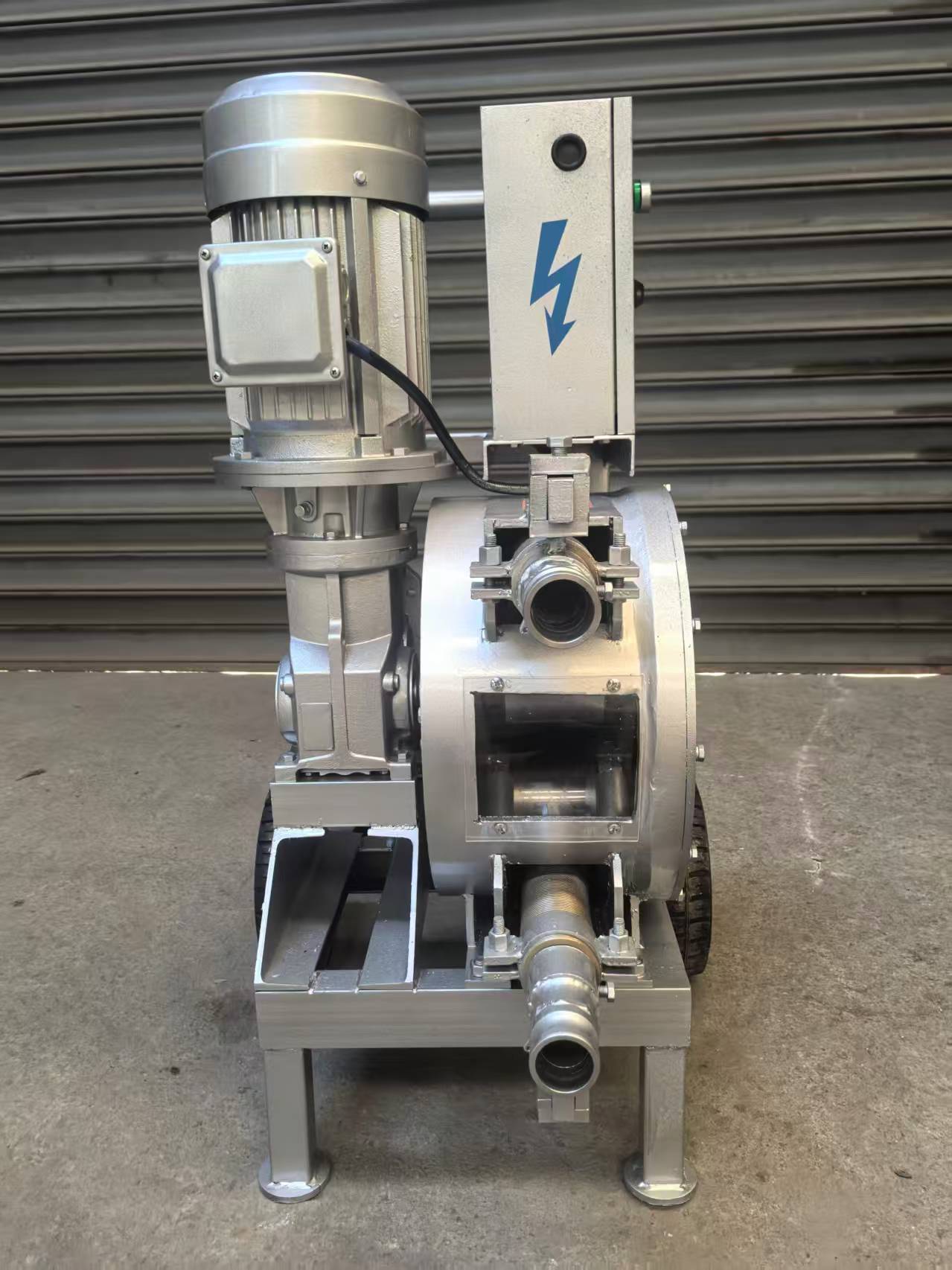
Admixtures are ingredients added to concrete before or during mixing to modify its properties. Whether you’re pouring a driveway, constructing a skyscraper, or crafting decorative stamped concrete, the right admixture can dramatically improve workability, strength, durability, and curing time. From superplasticizers that reduce water content to fibers that prevent cracking, these concrete additives unlock performance that plain cement simply can’t match.
2. What Are Admixtures?
Admixtures—sometimes spelled ‘ad mixtures’—are chemical or mineral substances incorporated into concrete mixes to achieve specific engineering or aesthetic outcomes. Unlike aggregates or cement, they’re used in small quantities (typically less than 5% by weight of cement) but deliver outsized impact. The term ‘concrete admixture’ broadly includes everything from plasticizers to waterproofing agents and fiber reinforcements.
The American Concrete Institute (ACI) classifies admixtures into two main categories: chemical and mineral. Chemical admixtures include liquid or powder additives like superplasticizers and accelerators, while mineral admixtures—such as fly ash or silica fume—are finely ground materials that improve long-term strength and reduce permeability.
3. Common Types of Concrete Admixtures
Understanding admixture types is key to selecting the best admixture for concrete in any given scenario. Here’s a breakdown of the most widely used categories:
- Water reducing admixtures (also called concrete water reducers): These lower the water-cement ratio without sacrificing workability, boosting strength and durability. High-range versions are known as superplasticizers.
- Superplasticizers: Among the most powerful concrete chemicals, superplasticizers (or super plasticizers) like polycarboxylate ether (PCE) enable highly flowable yet strong mixes. A superplasticizer in concrete can reduce water content by up to 40%, making it ideal for self-consolidating or high-strength applications.
- Concrete accelerators: These speed up setting and early-strength gain—critical in cold weather or fast-track projects. Accelerating admixtures for concrete shorten concrete accelerator curing time significantly.
- Concrete retarders: Opposite to accelerators, retarders delay setting, useful in hot climates or for complex pours. A surface retarder concrete may also be used for exposed-aggregate finishes.
- Air entraining admixtures: These introduce microscopic air bubbles into the mix, improving freeze-thaw resistance. An air entraining agent creates air entraining concrete that withstands harsh weather without cracking.
- Waterproofing admixtures: Including integral waterproofers and crystalline waterproofing admixtures, these block moisture penetration. A concrete waterproofing additive or cement waterproofing additive transforms ordinary concrete into a water-resistant barrier.
4. Specialty Additives and Reinforcements
Beyond basic performance tweaks, modern admixtures offer advanced functionalities:
Fiber reinforcement has surged in popularity. Fibers for concrete—like polypropylene fibres for concrete, steel fibers for concrete, or even coconut fiber reinforced concrete—enhance tensile strength and reduce shrinkage cracks. Fiber reinforced concrete is now standard in industrial floors, pavements, and even residential siding. Products like Hardie concrete siding and CertainTeed concrete siding often incorporate fiberfor concrete mixes to mimic wood grain while offering superior durability.
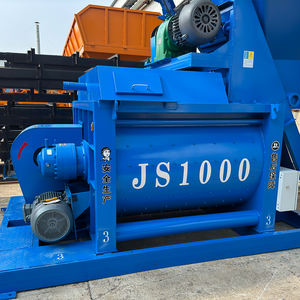
Foaming agents are another innovation. A concrete foaming agent (or CLC foaming agent) creates lightweight cellular concrete for insulation blocks or void filling. Protein-based or synthetic foaming agents generate stable foam for aircrete, with prices varying by region and performance grade.
For decorative applications, colored concrete relies on pigments and release agents. Stamped concrete colors—from charcoal to terra cotta—are achieved using colored concrete powder and concrete stamp release agents to prevent sticking during patterning.
White cement, prized for countertops and architectural finishes, often pairs with superplasticizer admixtures to maintain fluidity without compromising brightness. White concrete mixes benefit from PCE-based superplasticizers that don’t yellow over time.
5. Choosing the Right Admixture
Selecting the best admixture for concrete depends on your project goals. Need fast curing? Consider fast curing concrete additives. Building in a wet environment? A waterproof admix or crystalline waterproofing admixture is wise. For high-flow applications, a polycarboxylate superplasticizer offers superior performance over older naphthalene or melamine-based types.
Always consult technical data sheets (sometimes called bio data sheets) from manufacturers like Chryso admixture or Sika to ensure compatibility with your cement type and environmental conditions. Many products, including superplasticizer near me options at Home Depot, come with detailed usage guidelines.
6. Conclusion
Admixtures have revolutionized concrete from a basic building block into a high-performance, customizable material. Whether you’re optimizing for strength with a water reducer, enhancing aesthetics with colored stamped concrete, or boosting resilience with fiber reinforcement, the right concrete admixture types make all the difference. As the industry embraces greener, smarter construction, these concrete chemicals will remain at the heart of innovation.
Our Website founded on October 17, 2012, is a high-tech enterprise committed to the research and development, production, processing, sales and technical services of ceramic relative materials such as What. Our products includes but not limited to Boron Carbide Ceramic Products, Boron Nitride Ceramic Products, Silicon Carbide Ceramic Products, Silicon Nitride Ceramic Products, Zirconium Dioxide Ceramic Products, etc. If you are interested, please feel free to contact us.