Professional solutions on concrete addtives, Concrete Foaming Agent, Superplasticizer, CLC Blocks Additives, and foaming machine

How Advanced Admixtures Are Revolutionizing Fiber-Reinforced Concrete in Modern Siding
1. Introduction
When you think of house siding, wood or vinyl might come to mind—but not anymore. Today’s architects and builders are turning to concrete fiber siding for its unmatched durability, fire resistance, and sleek, modern look. But what makes this material so effective? The secret lies beneath the surface: advanced concrete admixtures.
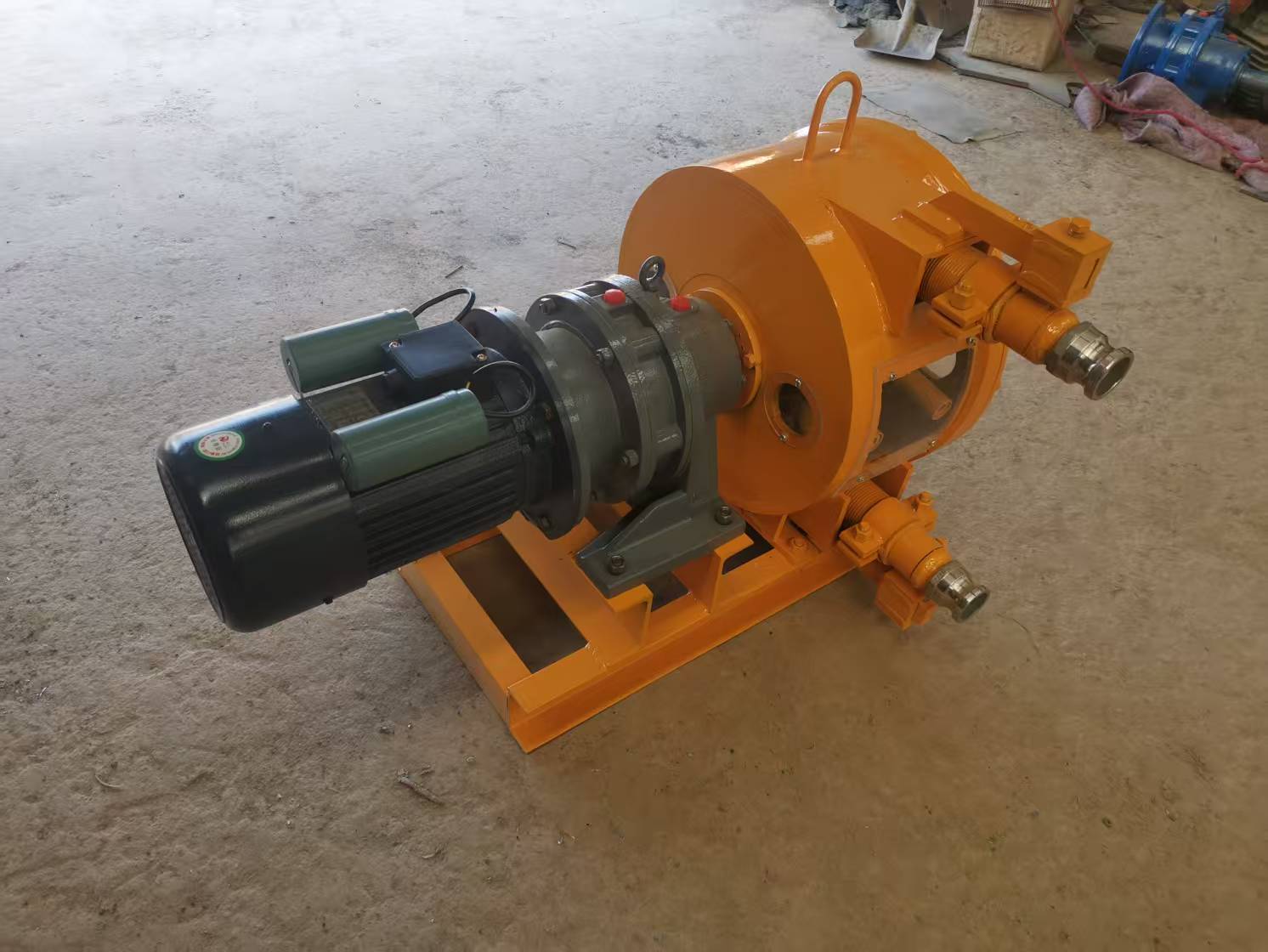
Admixtures are no longer just about making concrete pour easier. In high-performance applications like fiber-reinforced concrete siding, they’re essential for achieving strength, water resistance, and even visual appeal. Let’s dive into how specific admixture types are transforming this niche construction material.
2. Why Fiber-Reinforced Concrete Siding Needs Specialized Admixtures
Fiber-reinforced concrete (FRC) combines cement with fibers—like polypropylene, steel, or even coconut fiber—to improve tensile strength and crack resistance. But adding fibers changes the game: the mix becomes stiffer, harder to place, and more prone to surface defects.
That’s where concrete admixtures step in. Without the right chemical help, FRC siding would be too brittle, slow to cure, or vulnerable to moisture damage. The best admixture for concrete in this context isn’t one-size-fits-all—it’s a tailored cocktail of performance-enhancing additives.
3. Key Admixture Types Powering Modern Concrete Siding
3.1 Superplasticizers: Enabling Flow Without Water
One of the biggest challenges in fiber concrete mix design is maintaining workability. Fibers increase viscosity, making it tough to mold thin panels evenly. Enter superplasticizer admixtures—especially polycarboxylate ether (PCE)-based types.
Superplasticizer in concrete acts as a high-range water reducer, allowing manufacturers to cut water content by up to 40% while keeping the mix fluid. This means smoother surfaces, fewer voids, and better fiber dispersion—all critical for achieving that coveted wood-like texture in products from brands like Hardie and CertainTeed.
3.2 Waterproofing Admixtures: Guarding Against the Elements
Concrete siding faces rain, snow, and humidity daily. Without protection, moisture seeps in, causing efflorescence, freeze-thaw damage, or mold growth. That’s why integral waterproofers and crystalline waterproofing admixtures are now standard.
Unlike surface sealers, these concrete waterproofing additives work from within. Crystalline waterproofing admixture reacts with moisture to form insoluble crystals that block capillaries. Meanwhile, cement waterproofing additives create a hydrophobic matrix—making the entire panel resistant, not just the surface.
3.3 Accelerators and Retarders: Controlling Cure Time Precisely
Precast concrete siding is often made in controlled factory settings where timing is everything. Fast curing concrete additives (like concrete accelerators) reduce demolding time, boosting production speed.
But sometimes, you need the opposite. A concrete retarder admixture—often used alongside a surface retarder concrete—delays setting just enough to allow intricate stamping or texturing. This balance ensures both efficiency and aesthetic detail.
3.4 Air-Entraining Admixtures: Boosting Freeze-Thaw Resistance
In colder climates, air entraining concrete is non-negotiable. Air entraining admixtures introduce microscopic air bubbles that act as pressure relief valves during freezing cycles.
For concrete fiber siding installed in regions with harsh winters, this tiny tweak prevents spalling and extends service life dramatically. It’s a small addition with massive impact—especially when combined with polypropylene fibres for concrete that already resist cracking.
4. Real-World Impact: From Factory to Facade
Thanks to these advanced concrete chemicals, today’s concrete siding can mimic cedar shakes, smooth clapboard, or rustic planks—all while outperforming traditional materials. Home Depot and other retailers now stock concrete siding that looks like wood, backed by decades of warranty.
Manufacturers also leverage colored concrete powders and release agents to add realism. But none of it would hold up without the invisible support of admixtures working behind the scenes.
5. Choosing the Right Admixture Cocktail
Not all admixtures play nice together. For example, some superplasticizers can interfere with air-entraining agents if not dosed correctly. That’s why leading producers rely on engineered systems—like Chryso admixture solutions—that are pre-tested for compatibility.
Key considerations include:
- Compatibility with fiber type (polypropylene vs. steel vs. natural fibers)
- Desired finish (smooth vs. textured vs. stamped)
- Climate exposure (coastal = need waterproof admix; northern = need air entraining)
- Production method (precast vs. cast-in-place)
6. Conclusion
Concrete fiber siding is more than a trend—it’s a smart evolution in building materials. And at its core are sophisticated concrete additives that solve real-world problems: workability, durability, weather resistance, and beauty.
From superplasticizer admixtures that enable ultra-thin panels to crystalline waterproofing admixtures that lock out moisture, these chemical helpers are the unsung heroes of modern architecture. As technology advances, expect even smarter admixture types to push the boundaries of what concrete can do—on your walls and beyond.
Our Website founded on October 17, 2012, is a high-tech enterprise committed to the research and development, production, processing, sales and technical services of ceramic relative materials such as How. Our products includes but not limited to Boron Carbide Ceramic Products, Boron Nitride Ceramic Products, Silicon Carbide Ceramic Products, Silicon Nitride Ceramic Products, Zirconium Dioxide Ceramic Products, etc. If you are interested, please feel free to contact us.