Professional solutions on concrete addtives, Concrete Foaming Agent, Superplasticizer, CLC Blocks Additives, and foaming machine

How to Choose and Use the Best Concrete Admixtures for Your Project
1. Introduction
Ever poured concrete only to find it too stiff, too slow to set, or prone to cracking? You’re not alone. The secret to high-performance concrete often lies in what you add—not just cement, sand, and water, but concrete additives known as admixtures. These chemical or mineral ingredients fine-tune everything from workability to weather resistance.
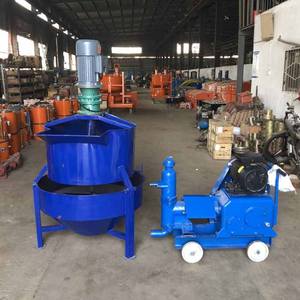
In this guide, we’ll walk you through how to choose and correctly use the most effective admixtures for real-world problems—whether you need faster curing, better flow, or long-term waterproofing.
2. Understand Common Admixture Types
Not all admixtures are created equal. Knowing the main categories helps you pick the right one:
- Water reducing admixtures (like superplasticizer) boost flow without extra water.
- Concrete accelerator speeds up curing—ideal for cold weather.
- Concrete retarder delays setting, useful in hot climates or large pours.
- Air entraining admixture adds microscopic air bubbles to improve freeze-thaw resistance.
- Waterproofing admixture (including crystalline waterproofing admixture and integral waterproofer) blocks moisture penetration.
- Fiber reinforcement (polypropylene fibres for concrete, steel fibers for concrete, etc.) reduces cracking and boosts toughness.
3. Step-by-Step: Selecting the Right Admixture
Start by identifying your concrete’s weakness or your project’s requirement.
If your mix is too thick, reach for a superplasticizer in concrete—specifically a polycarboxylate ether (PCE) type, which offers high-range water reduction with minimal slump loss. These are also called super plasticizers or concrete water reducer.
For fast turnaround jobs (like patching driveways), use accelerating admixtures for concrete to cut curing time. Look for products labeled ‘fast curing concrete additives.’
Pouring in summer heat? A concrete retarder admixture or surface retarder concrete keeps the mix workable longer.
Building a basement or water tank? Choose a concrete waterproofing additive—either a cement waterproofing additive or a crystalline waterproofing admixture that reacts with moisture to seal pores from within.
Want crack-resistant slabs or countertops? Add fibers for concrete—polypropylene fibre, steel fiber reinforced concrete, or even coconut fiber reinforced concrete for eco-friendly options.
4. How to Mix and Apply Admixtures Correctly
Even the best admixture fails if misused. Follow these steps:
Always read the manufacturer’s dosage instructions—overdosing can cause segregation or delayed setting.
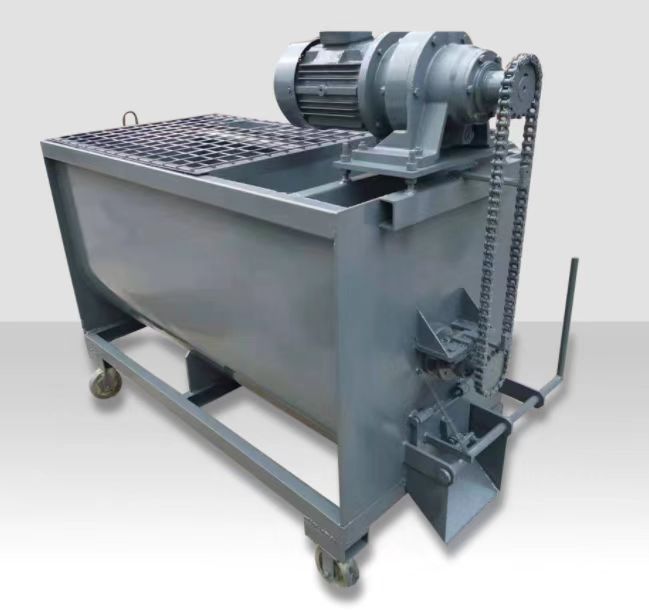
Add liquid admixtures (like superplasticizer admixture or concrete accelerator) to the mix water before combining with cement and aggregates.
For powdered additives (such as colored concrete powder or microfibers), pre-blend with dry cement to ensure even distribution.
Never add extra water to compensate for stiffness—use a plasticizer for concrete or superplasticizer instead. This maintains strength while improving workability.
When using air entraining agent, monitor air content with a pressure meter; ideal levels are 4–7% for freeze-thaw zones.
5. Troubleshooting Common Problems
Problem: Concrete sets too fast in hot weather.
Solution: Use an admixture retarder or mid-range water reducer with retarding properties.
Problem: Surface cracks appear within hours.
Solution: Incorporate polypropylene fibres for concrete or macro fibers to control plastic shrinkage.
Problem: Water seeps through walls or floors.
Solution: Switch to a waterproof admix like a crystalline waterproofing admixture or integral waterproofer during batching—not just a surface coating.
Problem: Stamped concrete lacks definition.
Solution: Pair your stamp with a quality concrete release agent (powder or spray) in coordinating colors to prevent sticking and enhance texture.
Problem: Foam concrete collapses or isn’t lightweight enough.
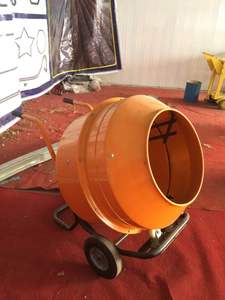
Solution: Use a reliable foaming agent for foam concrete—protein-based or synthetic CLC foaming agent—and calibrate your concrete foaming machine properly.
6. Pro Tips for Best Results
Store admixture chemical containers sealed and away from freezing temps.
Test small batches first—especially when combining multiple admixtures (e.g., superplasticizer + air entraining).
For decorative work like stamped and colored concrete, use white cement as a base to achieve truer color tones with tinted concrete powders.
Brands like Chryso admixture offer engineered solutions—check technical data sheets for compatibility.
Avoid homemade foaming agent for concrete unless thoroughly tested; commercial protein based foaming agent ensures consistent bubble structure.
7. Conclusion
Choosing the right admixture used in concrete transforms ordinary mixes into high-performance, durable, and problem-free structures. Whether you need a water reducer, concrete accelerator, air entraining concrete solution, or fiber reinforcement, understanding admixture types and proper usage is key. With this guide, you’re equipped to select the best admixture for concrete—saving time, money, and headaches on your next pour.
Our Website founded on October 17, 2012, is a high-tech enterprise committed to the research and development, production, processing, sales and technical services of ceramic relative materials such as How. Our products includes but not limited to Boron Carbide Ceramic Products, Boron Nitride Ceramic Products, Silicon Carbide Ceramic Products, Silicon Nitride Ceramic Products, Zirconium Dioxide Ceramic Products, etc. If you are interested, please feel free to contact us.