Professional solutions on concrete addtives, Concrete Foaming Agent, Superplasticizer, CLC Blocks Additives, and foaming machine

Designing Foamed Concrete for Floor Screeds: A Contractor’s Practical Guide
How to Design a Foamed Concrete Mix for Floor Screeding
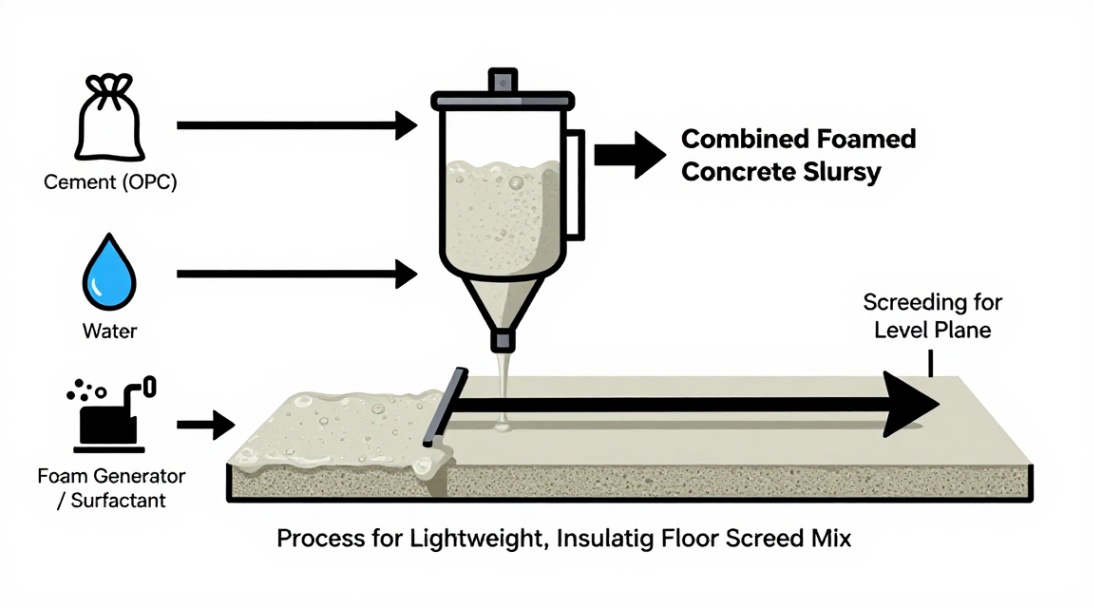
The right foamed concrete mix for floor screeding combines cement, water, and stable foam to create a lightweight, insulating, and perfectly level subfloor. We’ve perfected this process over two decades to avoid costly callbacks for cracking or poor performance. Follow these steps to get it right the first time.
Step 1: Define Your Core Specifications
Start with the end goal. You need three numbers: target dry density, compressive strength, and flow. For most interior floor screeds, we target a density between 1200-1400 kg/m³. This balances strength for foot traffic with maximum weight reduction. Compressive strength should be a minimum of 7 MPa at 28 days. Use a flow table test to ensure a 180-200mm spread for optimal self-levelling without segregation.
Step 2: Calculate Your Base Mix Proportions
The base mix is your cement slurry. Use a standard Portland cement (CEM I 42.5R). A common starting point is a 1:0.45 cement-to-water ratio by weight. This gives you workable slurry without sacrificing final strength. For every 100 kg of cement, you’ll use 45 liters of water. Add a superplasticizer at 0.5-1.0% of cement weight to improve flow without extra water.
User Feedback: Many crews on sites like ContractorTalk note that skipping the superplasticizer leads to a stiff mix that doesn’t self-level properly, creating more manual work.
Step 3: Generate and Add the Foam
This is the critical step. Use a dedicated foam generator and a high-quality synthetic foam concentrate. Dilute the concentrate with water as per the manufacturer’s specs, typically a 1:30 ratio. The generator blows air through this solution to create wet, stable bubbles.
Here’s the core calculation: The volume of foam you add determines the final density. You are literally “inflating” your base slurry with air.
| Target Dry Density | Base Slurry Density | Foam Volume Needed* |
|---|---|---|
| 1200 kg/m³ | 1900 kg/m³ | ~37% of total volume |
| 1400 kg/m³ | 1900 kg/m³ | ~26% of total volume |
*Example calculation for 1 m³ of foamed concrete. Always run a small test batch first.
Step 4: Mixing Sequence for Perfect Bubbles
Order matters. Mix your cement and water thoroughly in a forced-action mixer (a paddle mixer) until you have a smooth, lump-free slurry. Then, and only then, add the pre-formed foam. Gently fold the foam into the slurry for 2-3 minutes. Overmixing at this stage will collapse your bubbles and ruin the density.
Step 5: Placement and Curing
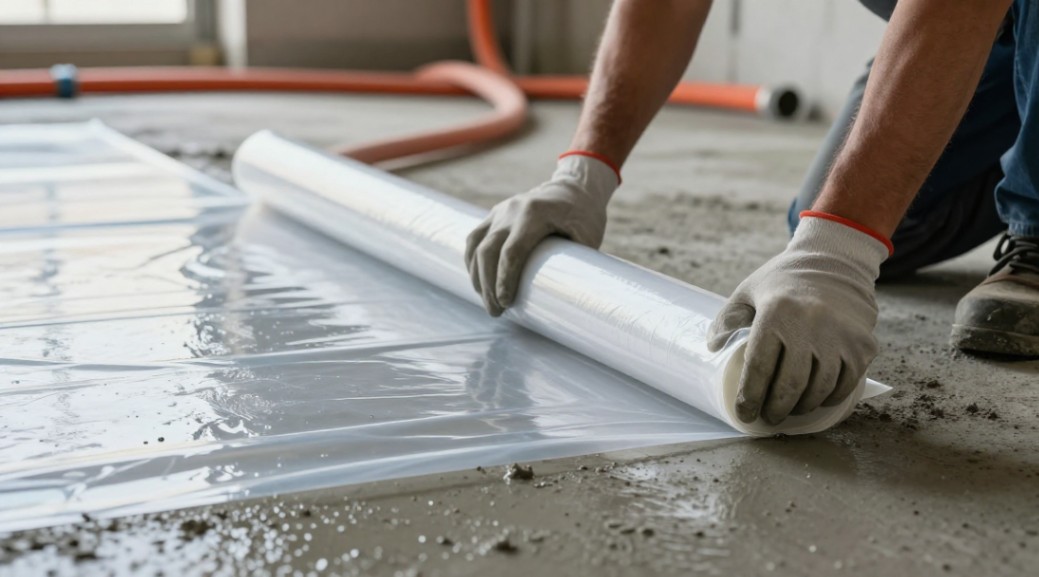
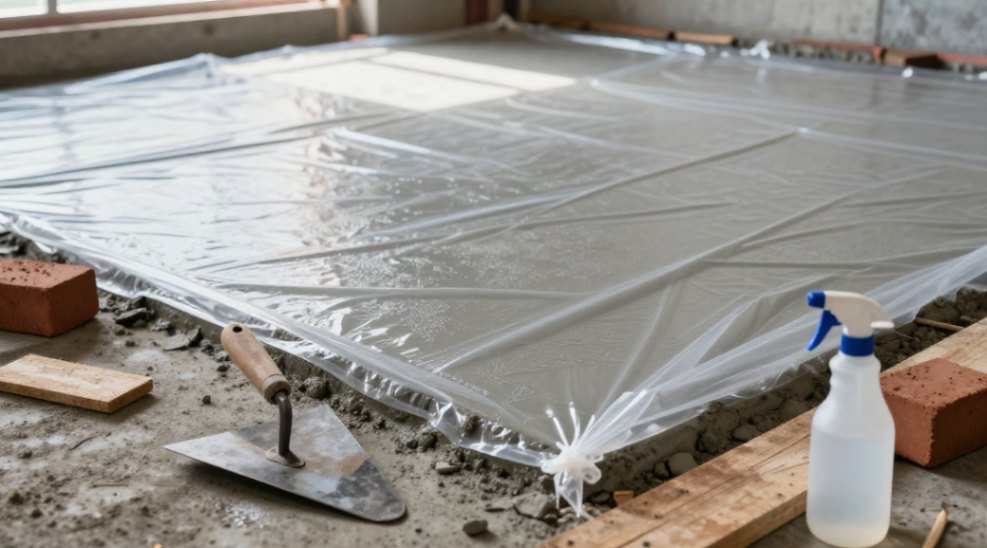
Pour or pump the mix directly onto a clean, pre-wetted substrate. It will self-level. Do not use vibration or excessive tamping. Immediately after placement, cover the surface with polyethylene sheeting. Seal the edges. This prevents plastic shrinkage cracking by stopping moisture loss. Cure under the sheet for at least 48 hours before allowing any foot traffic.
Why Foamed Concrete Wins for Floor Screeds
Traditional sand-cement screeds are heavy and slow. Foamed concrete solves these problems. Let’s compare the key factors that matter on a real job site.
| Factor | Traditional Sand-Cement Screed | Foamed Concrete Screed |
|---|---|---|
| Weight | High (~2000 kg/m³) | Low (1200-1600 kg/m³) |
| Thermal Insulation | Poor | Excellent (low lambda values) |
| Self-Leveling | Requires skilled manual grading | Excellent; reduces labor time |
| Drying Time | Long (1+ days/cm) | Shorter; can be walked on in 48h |
| Pumpability | Not typically pumped | Easy; ideal for large areas |
Reddit forums for builders are full of stories about using foamed concrete to quickly level old, uneven floors before installing engineered wood or vinyl planks. The lightweight nature is a major benefit for refurbishment projects where floor loading is a concern.
Common Pitfalls and How to Avoid Them
We’ve seen every mistake. Here are the big three.
1. Unstable Foam: Using a poor-quality surfactant or an improperly calibrated generator creates weak bubbles that collapse during mixing. The result is a higher density and a failed mix. Test your foam stability by filling a bucket – good foam should not drain liquid or collapse significantly for 30 minutes.
2. Incorrect Water: More water makes the slurry easier to mix but drastically reduces strength and increases drying shrinkage. Stick to your designed water-cement ratio. Use a superplasticizer for workability.
3. Poor Curing: Exposing the fresh screed to drafts or sun causes rapid surface drying and hairline cracks. The polyethylene sheeting is non-negotiable. It’s the cheapest and most effective insurance you can buy.
Final Checklist Before You Pour
- Substrate is clean, sound, and pre-wetted (not pooled).
- All perimeter insulation and edge boards are installed.
- Your base slurry mix is consistent and to the specified ratio.
- Your foam generator is producing stable, dry-looking foam.
- You have enough polyethylene sheeting and tape to cover the entire area immediately after pouring.
- Ambient temperature is between 5°C and 30°C.
This method works. It delivers a reliable, high-performance screed that installers love to work on. The key is respecting the process: precise materials, calculated foam volume, gentle mixing, and diligent curing. Master these steps, and you’ll eliminate the headaches associated with traditional floor leveling for good.
We are the global leader in lightweight concrete and advanced engineered foam solutions. Known globally for its commitment to research, innovation, and applied expertise, we have been providing engineered foam solutions since the early 2012’s.
We can supply high-quality concrete admixture and foam concrete related products all over the world.
The company has a professional technical department and quality supervision department, a well-equipped laboratory, and equipped with advanced testing equipment and after-sales customer service center.
If you are interested, please feel free and contact us.