Professional solutions on concrete addtives, Concrete Foaming Agent, Superplasticizer, CLC Blocks Additives, and foaming machine

The Foam Cannon Lifeline: Your Proactive Maintenance Schedule for Foam Generating Equipment
The Unspoken Truth About Foam Equipment Failure
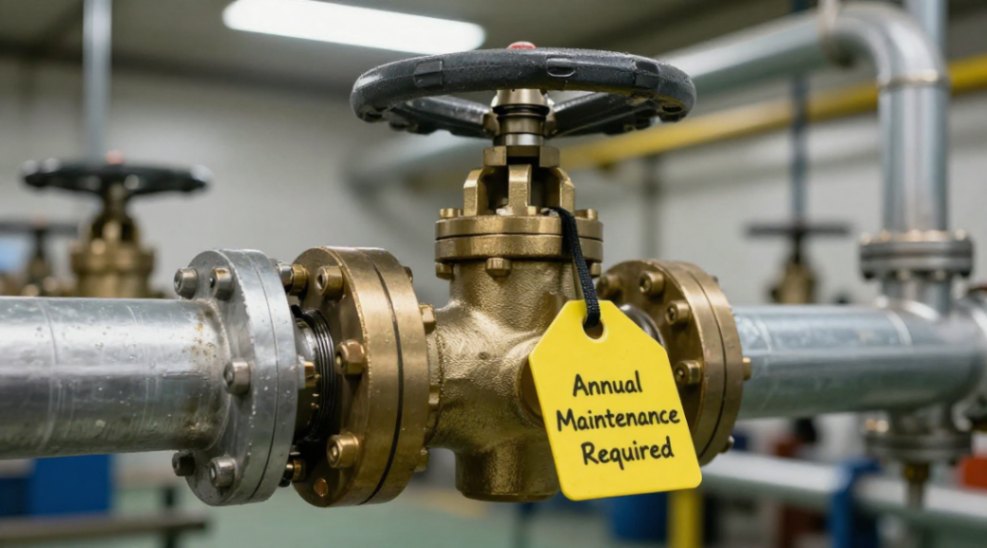
Did you know over 70% of foam system failures are traced back to inconsistent maintenance, not manufacturing defects? The data is shocking. A $50,000 foam suppression system can be rendered useless by a $10 check valve left unchecked. This isn’t about wear and tear; it’s about preventable collapse.
What Is a Maintenance Schedule for Foam Generating Equipment?
A maintenance schedule for foam generating equipment is a structured, time-based plan of inspections, tests, cleaning, and part replacements designed to ensure the system will function flawlessly on demand. It transforms reactive panic into proactive control. Think of it as the non-negotiable fitness regimen for your most critical firefighting asset.
We don’t just follow a calendar. We build a relationship with the equipment. As one veteran plant manager on a industry forum put it, “Our monthly foam pump exercise is as routine as payroll. The one time we skipped it, we had a seal fail during a training drill. The schedule isn’t paperwork; it’s a promise to our team.”
The Core Pillars of Your Maintenance Schedule
Every solid plan breaks down into manageable, recurring tasks. This table outlines the critical rhythm for keeping foam generating equipment battle-ready.
| Frequency | Key Tasks | Focus Area & Rationale |
|---|---|---|
| Daily / Pre-Use | Visual inspection, concentrate level check, nozzle clearance. | Prevents immediate blockages and ensures basic operability. Catches gross leaks or damage. |
| Weekly | Function test proportioner, run water through system, inspect for new leaks. | Verifies the core foam-making function. Exercises valves and pumps to prevent seizing. |
| Monthly | Detailed inspection of mechanical seals, electrical connections, and piping. Verify concentrate specific gravity. | Identifies early-stage wear (pitting, corrosion, loose wires) before catastrophic failure. |
| Quarterly | Service pump and motor bearings, flush proportioner internals, full system operational test with water. | Addresses accumulated wear from regular use. Maintains hydraulic and mechanical efficiency. |
| Annually | Full system teardown, inspection, and certification. Replace all wearable seals and diaphragms. Tank internal inspection. | Comprehensive health assessment. Mandatory for compliance with NFPA 11 and insurance standards. |
Beyond the Checklist: The Real-World Impact
Consequences of Neglect
Skip the schedule, and you invite a cascade of problems. Poor foam quality and low expansion ratios are the first warnings. These issues stem from clogged strainers, degraded concentrate, or faulty proportioning. Next comes mechanical failure: a seized pump when the alarm sounds, or a ruptured bladder tank. The final cost isn’t just repair. It’s liability, asset loss, and potential regulatory action.
Your Essential Spare Parts Kit
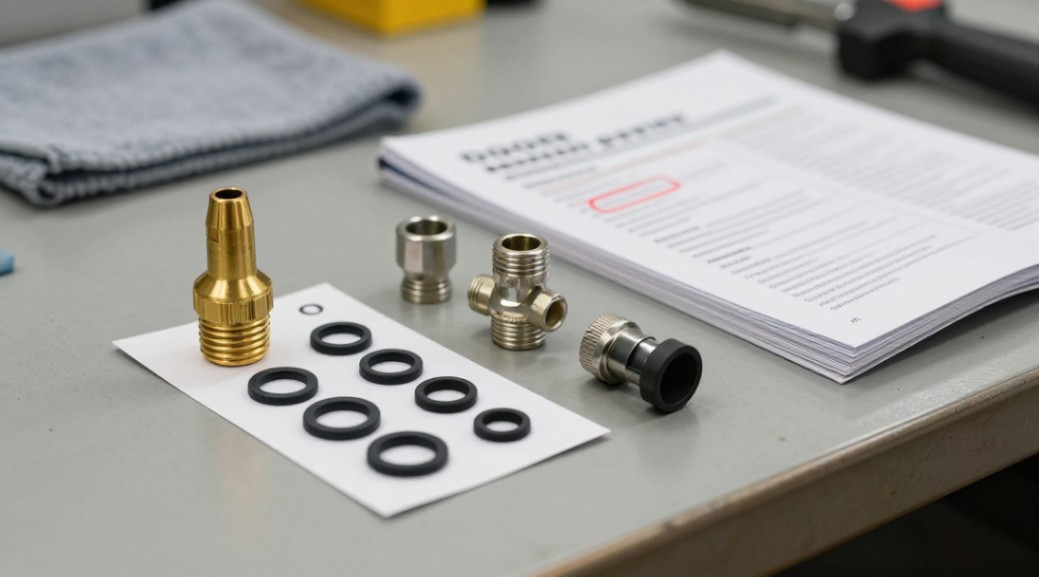
Planning for maintenance means having the parts on hand. Based on common failure points, here is your core inventory list:
- Proportioner service kits (seals, diaphragms, valves)
- Pump mechanical seals and gasket sets
- Strainer baskets and O-rings
- Nozzle tips and foam tube assemblies
- Check valves and relief valves
- Concentrate sample test kit
This list is a baseline. Always cross-reference it with your specific manufacturer’s manual for model-specific parts.
Making the Schedule Work for You
A perfect plan fails without execution. Document every action in a permanent maintenance log. Note the date, task, findings, and the technician’s name. This log is your legal and operational shield. It proves due diligence.
Then, train your operators. A team that understands the ‘why’ behind the weekly function test will perform it with care, not just compliance. They become your first line of detection.
The manufacturer’s guidelines are your bible. They contain torque specs, lubricant types, and tolerances unique to your equipment. Your generic schedule provides the framework, but their manual provides the precise instructions. Never substitute guesswork for their engineering.
The Guarantee of Readiness
A rigorous maintenance schedule for foam generating equipment eliminates uncertainty. It replaces doubt with documented confidence. When that alarm sounds, you won’t wonder if the system will work. You’ll know it will because you touched it, tested it, and verified it yourself last week.
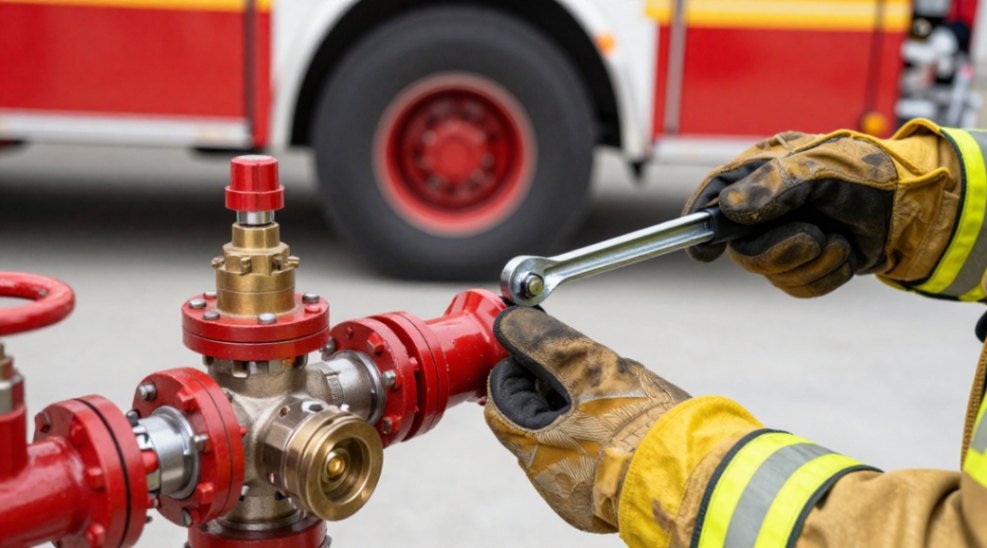
Start today. Pull out your manufacturer’s manuals, review your last inspection report, and build your calendar. Your future self, facing down an emergency, will thank you for the discipline.
We are the global leader in lightweight concrete and advanced engineered foam solutions. Known globally for its commitment to research, innovation, and applied expertise, we have been providing engineered foam solutions since the early 2012’s.
We can supply high-quality concrete admixture and foam concrete related products all over the world.
The company has a professional technical department and quality supervision department, a well-equipped laboratory, and equipped with advanced testing equipment and after-sales customer service center.
If you are interested, please feel free and contact us.