Professional solutions on concrete addtives, Concrete Foaming Agent, Superplasticizer, CLC Blocks Additives, and foaming machine

What’s the Best Admixture for Concrete in 2024: Superplasticizers, Fibers, or Waterproofers?
1. Introduction
Just 36 hours ago, Chryso announced a major sustainability push: phasing out naphthalene-based superplasticizers across North America by 2025. Why? Because the construction world is finally waking up to the power—and planet-friendliness—of polycarboxylate ether (PCE) technology. And honestly, it’s about time.
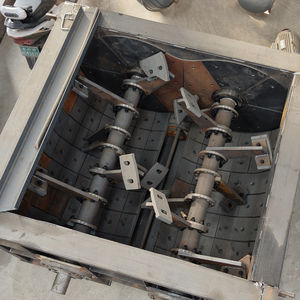
Concrete isn’t just gray sludge anymore. Thanks to modern admixtures, it can flow like silk, repel water like a duck’s back, cure faster than your morning coffee brews, or even look like weathered wood. But with so many concrete additives flooding the market—from air entraining agents to coconut fiber reinforcement—how do you pick the best admixture for concrete?
Grab your hard hat and sense of humor. We’re diving deep into the wild, wacky, and wonderfully effective world of admixtures.
2. The Superplasticizer Showdown: PCE vs. Naphthalene
2.1. Polycarboxylate Ether (PCE) Superplasticizers
Polycarboxylate-based superplasticizers are the Beyoncé of concrete chemicals: sleek, high-performing, and always trending. These super plasticizers offer unparalleled water reduction (up to 40%) without sacrificing workability.
They’re also low-dosage heroes—just 0.1–0.3% by cement weight gets the job done. Plus, they play nice with other admixtures, making them ideal for complex mixes like self-consolidating concrete.
- Eco-friendly (low VOC, no formaldehyde)
- Excellent slump retention over time
- Perfect for high-strength, low-permeability applications
2.2. Naphthalene-Based Superplasticizers
Old-school but still kicking, naphthalene sulfonate superplasticizers were the OG water reducers. They’re cheaper upfront and great for basic jobs where long-term slump retention isn’t critical.
But here’s the catch: they smell like a chemistry lab gone rogue, require higher dosages (0.5–1.0%), and don’t play well with modern supplementary cementitious materials.
- Lower initial cost
- Strong early strength gain
- Being phased out due to environmental concerns (see Chryso’s move)
Verdict? Unless you’re on a shoestring budget and mixing simple footings, PCE is the clear winner for superplasticizer in concrete today.
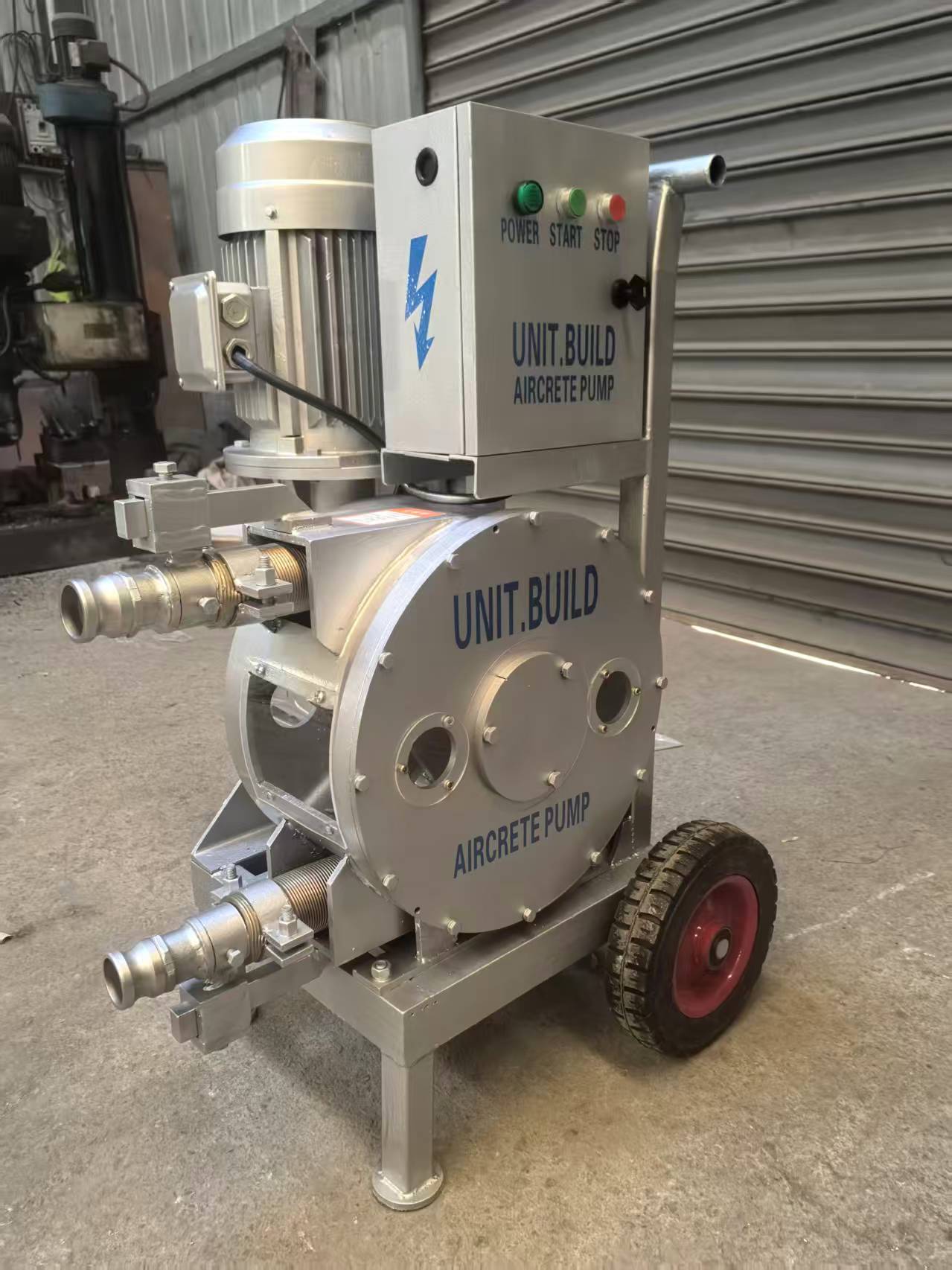
3. Fiber Reinforcement: Not Just for Gym Rats
Forget steel rebar for a sec. Modern concrete fiber reinforcement comes in flavors ranging from polypropylene fibres for concrete to exotic carbon fiber concrete.
3.1. Polypropylene Fibers (PP Fiber Concrete)
The most common microfiber, PP fibers control plastic shrinkage cracking and boost impact resistance. They’re cheap, easy to mix, and perfect for driveways or slabs.
3.2. Steel Fibers for Concrete
When you need serious toughness—think industrial floors or blast-resistant structures—steel fiber reinforced concrete delivers. It even reduces the need for traditional rebar in some cases.
3.3. Coconut Fiber Concrete? Yes, Really.
Sustainable builders are experimenting with coconut fibre concrete as a green alternative. While not structural-grade yet, it shows promise for non-load-bearing walls and acoustic panels.
All these fall under concrete additives fiber—a growing category that turns brittle slabs into flexible, crack-resistant surfaces.
4. Waterproofing Admixtures: Keep Water Out Without the Drama
Leaky basements? Say goodbye. Today’s waterproofing admixture for concrete works from the inside out.

4.1. Integral Waterproofer vs. Crystalline Waterproofing Admixture
Integral waterproofers (like hydrophobic pore blockers) repel water passively. Great for general moisture resistance.
Crystalline waterproofing admixtures are smarter: they react with water and unhydrated cement to grow crystals that plug capillaries permanently. Think of them as concrete’s immune system.
Both qualify as cement waterproofing additive options, but crystalline systems win for below-grade or high-hydrostatic-pressure zones.
4.2. Air Entraining Concrete: Bubbles Are Your Friend
Don’t knock air entraining admixture—it’s essential in freeze-thaw climates. By creating microscopic air pockets, air entraining agents prevent spalling when water expands during freezing.
Yes, it slightly reduces compressive strength—but saves your driveway from turning into a potato chip every winter.
5. Speed vs. Delay: Accelerators and Retarders
Need fast curing concrete additives for a weekend pour? Concrete accelerator cuts setting time dramatically—ideal for cold-weather pours or emergency repairs.
On the flip side, concrete retarder admixture (or surface retarder concrete for exposed aggregate) buys you time in hot weather or complex placements.
Pro tip: Never mix accelerator and retarder unless you enjoy chaotic chemistry experiments… and cracked slabs.
6. Bonus Round: Foaming Agents & White Cement
Foam agent for lightweight concrete (like CLC foaming agent) creates airy, insulating blocks perfect for green builds. Protein-based or synthetic? Synthetic wins for consistency.
And white cement? Beyond pretty countertops, it’s a canvas for colored concrete. Pair it with stamped concrete colors and a good concrete release agent, and you’ve got art—not just pavement.
7. Conclusion
Choosing the right admixture used in concrete isn’t one-size-fits-all. For flow: PCE superplasticizer. For durability: fibers + crystalline waterproofing. For speed: concrete accelerator. For eco-cred: skip naphthalene, embrace PCE and natural fibers.
Whether you’re sourcing from Home Depot concrete siding aisles or working with Certainteed concrete siding pros, remember: the magic isn’t in the cement—it’s in the admixtures.
Our Website founded on October 17, 2012, is a high-tech enterprise committed to the research and development, production, processing, sales and technical services of ceramic relative materials such as What’s. Our products includes but not limited to Boron Carbide Ceramic Products, Boron Nitride Ceramic Products, Silicon Carbide Ceramic Products, Silicon Nitride Ceramic Products, Zirconium Dioxide Ceramic Products, etc. If you are interested, please feel free to contact us.