Professional solutions on concrete addtives, Concrete Foaming Agent, Superplasticizer, CLC Blocks Additives, and foaming machine

What Are Admixtures and How Do They Transform Modern Concrete?
1. Introduction
Just 24 hours ago, a major infrastructure project in Texas announced it would use advanced polycarboxylate ether (PCE)-based superplasticizers to achieve ultra-high-strength, self-consolidating concrete for a new bridge deck—highlighting how modern admixtures are revolutionizing construction. As cities grow and sustainability demands rise, concrete admixtures have become indispensable tools for engineers and builders alike.
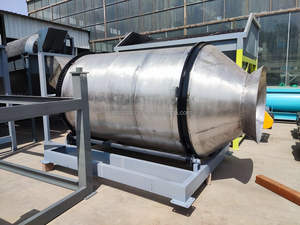
Admixtures—also called concrete additives or chemical admixtures for concrete—are materials added to concrete before or during mixing to modify its properties. Far from being mere supplements, these concrete chemicals can drastically improve strength, reduce water content, accelerate or delay setting time, add color, or even make concrete waterproof. Whether you’re pouring a driveway or constructing a skyscraper, understanding admixture types is key to smarter building.
2. Why Use Admixtures in Concrete?
Concrete on its own is strong but often lacks flexibility in performance under varying conditions. That’s where admixtures come in. The best admixture for concrete depends on your specific needs: reducing water without losing workability, speeding up curing in cold weather, or enhancing freeze-thaw resistance. By tailoring the mix with the right admixture used in concrete, contractors can meet precise engineering requirements while cutting costs and waste.
3. Major Types of Concrete Admixtures
3.1 Water-Reducing Admixtures
Water reducing admixtures—including mid-range and high-range varieties like superplasticizers—allow less water in the mix while maintaining flow. This boosts strength and durability. Superplasticizer in concrete is especially popular because it enables high-performance mixes without segregation. Common types include naphthalene-based, melamine-based, and the increasingly dominant polycarboxylate ether (PCE) superplasticizers, known for their efficiency and compatibility with modern cements.
- Superplasticizer admixture reduces water by up to 40%.
- Polycarboxylate superplasticizer offers superior slump retention.
- Concrete water reducer additives also act as plasticizer for concrete, improving workability.
3.2 Accelerating and Retarding Admixtures
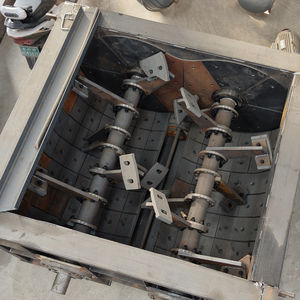
Concrete accelerator admixtures shorten curing time—ideal for cold climates or fast-track projects. Conversely, concrete retarder admixtures delay setting, useful in hot weather or long hauls. Surface retarder concrete products even allow decorative stamping by keeping the surface soft longer. Both play crucial roles in controlling concrete accelerator curing time and preventing cracks.
3.3 Air-Entraining Admixtures
Air entraining concrete contains microscopic air bubbles created by air entraining admixture agents. These bubbles improve resistance to freeze-thaw cycles and increase durability in harsh environments. An air entraining agent is essential for roads, bridges, and pavements in northern climates. Look for terms like air entraining cement or air entraining when specifying winter-ready mixes.
3.4 Waterproofing Admixtures
From integral waterproofer to crystalline waterproofing admixture, these additives block moisture penetration from within. Cement waterproofing additive and concrete waterproofing additive options include hydrophobic compounds or reactive crystals that seal pores over time. Waterproof admix solutions are vital for basements, tunnels, and water tanks—making admixture waterproofing a non-negotiable for wet-area construction.
4. Specialty Admixtures and Innovations
4.1 Fiber Reinforcement
Fibers for concrete—such as polypropylene fibres for concrete, steel fibers for concrete, or even coconut fiber reinforced concrete—add tensile strength and crack control. Fiber reinforced concrete is now standard in industrial floors, shotcrete, and seismic zones. Macro fibers and microfibers serve different purposes, but all contribute to reinforced concrete that’s tougher and more resilient. Brands like Fibermesh concrete integrate these seamlessly into the mix.
4.2 Foaming Agents for Lightweight Concrete
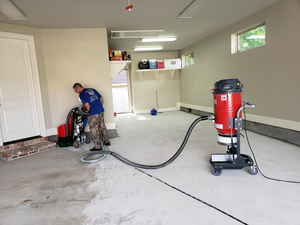
Foaming agent for foam concrete creates cellular or CLC (cellular lightweight concrete) blocks. Protein-based or synthetic foaming agent used in concrete reduces density while maintaining insulation properties. Popular in green building, CLC foaming agent helps produce eco-friendly walls with lower thermal conductivity.
4.3 Color and Release Agents
Colored concrete and stamped concrete colors rely on pigments and release agents. Concrete release agent—available as powder, spray, or oil—prevents stamps from sticking during patterning. Whether you want charcoal stamped concrete or terra cotta concrete color, the right combination of tinted concrete and mold release ensures crisp, vibrant finishes.
5. Choosing the Right Admixture
With so many options—from Chryso admixture to universal white cement blends—it’s important to match the admixture chemical to your project’s environment, timeline, and performance goals. For example, fast curing concrete additives suit emergency repairs, while mineral admixture like fly ash improves long-term strength and sustainability.
Don’t forget practical considerations: concrete siding cost may be influenced by fiber content, and home depot concrete siding often uses fiber cement for durability. Similarly, white cement for countertops might require a compatible superplasticizer to maintain flow without compromising aesthetics.
6. Conclusion
Admixtures are no longer optional extras—they’re essential components that define the quality, efficiency, and longevity of modern concrete. From super plasticizers that enable sleek architectural forms to waterproofing admixture for concrete that protects against moisture damage, these concrete additives empower builders to do more with less. As innovation continues—like carbon fiber reinforcement in concrete or bio-based foaming agents—the future of construction will be shaped one smart admixture at a time.
Our Website founded on October 17, 2012, is a high-tech enterprise committed to the research and development, production, processing, sales and technical services of ceramic relative materials such as What. Our products includes but not limited to Boron Carbide Ceramic Products, Boron Nitride Ceramic Products, Silicon Carbide Ceramic Products, Silicon Nitride Ceramic Products, Zirconium Dioxide Ceramic Products, etc. If you are interested, please feel free to contact us.