Professional solutions on concrete addtives, Concrete Foaming Agent, Superplasticizer, CLC Blocks Additives, and foaming machine

Pouring structural integration anti-seismic house equipment foam concrete machine
PRODUCT PARAMETERS
Description
Overview of Pouring structural integration anti-seismic house equipment foam concrete machine
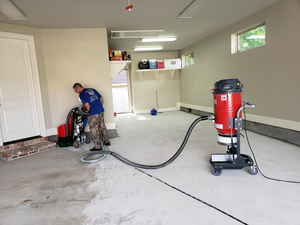
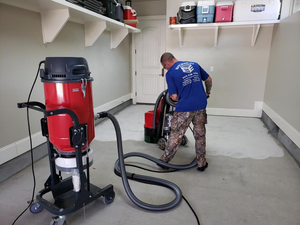
Pouring structural integration anti-seismic house equipment foam concrete machine is essential tools for surface preparation in construction and renovation projects. They are used to smooth, level, and polish concrete floors by removing imperfections, stains, adhesives, and coatings. With varying sizes and configurations, they cater to different grinding needs, whether for light-duty residential tasks or heavy-duty industrial applications. Equipped with multiple grinding attachments, dust control systems, and adjustable settings, concrete grinders provide a versatile and effective solution for achieving high-quality, durable floor finishes. Available in both manual and electric models, these grinders are designed to deliver superior results, reducing time and labor costs while ensuring the safety and cleanliness of the worksite.
Characteristics of Pouring structural integration anti-seismic house equipment foam concrete machine
Efficient Grinding Performance: Concrete grinders are designed for high-speed, efficient grinding and polishing of concrete surfaces, allowing for faster completion of projects while maintaining high-quality finishes.
Versatile Applications: Whether you’re preparing surfaces for new flooring, polishing existing concrete, or removing coatings like epoxy and adhesives, these grinders can handle it all. They are suitable for both residential and commercial use.
Dust-Free Operation: Many concrete grinders come with built-in dust collection systems that capture dust during operation, ensuring a cleaner and safer work environment by reducing airborne particles.
Adjustable Grinding Settings: With customizable settings, operators can adjust the grinder to suit specific surface conditions and desired outcomes, ensuring precision in depth control and uniformity.
Multiple Grinding Attachments: Concrete grinders often feature interchangeable diamond and abrasive discs, providing flexibility to tackle different types of surface work, such as light grinding, heavy grinding, or polishing.
Ergonomic Design: Designed with user comfort in mind, these grinders are equipped with ergonomic handles and adjustable heights, reducing operator fatigue and making it easier to handle during extended use.
Durability and Reliability: Constructed from high-quality, durable materials, concrete grinders are built to withstand the rigors of industrial use, offering long-lasting performance with minimal maintenance.
Compact and Portable: Many models are compact and lightweight, making them easy to transport and maneuver around job sites, even in tight spaces or for small-scale projects.
Safety Features: To ensure safe operation, these grinders include essential safety features such as overload protection, automatic shut-off, and sturdy, non-slip handles, reducing the risk of accidents.
Cost-Effective: With low maintenance requirements and long service life, concrete grinders offer an excellent return on investment, making them a cost-effective solution for contractors and flooring professionals.

Specifications of Pouring structural integration anti-seismic house equipment foam concrete machine
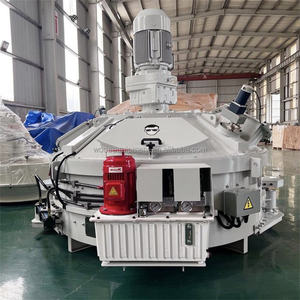
This foam concrete machine makes special lightweight concrete. Builders use it for structural integration in anti-seismic houses. It creates strong, lightweight foam concrete. This material helps buildings resist earthquakes. The machine mixes cement, water, and foam agent. It produces a consistent foam concrete mix. This mix flows easily into forms. It fills every space completely.
The machine has a specific capacity. It can make around 10 to 20 cubic meters per hour. This depends on the exact model. It operates under pressure. The pressure ensures the mix is dense and uniform. The machine needs power to run. It uses electricity. The power requirement is about 7.5 to 15 kilowatts. This depends on the model size. Water is also needed. It uses water to mix the concrete. The water supply must be constant.
The machine is a certain size. It is compact. This makes it easy to move around a job site. It is not too big. The dimensions are manageable. The machine also has a specific weight. It is heavy enough to be stable. It is not too heavy to transport. The weight is reasonable for its job.
The machine is durable. It is built tough for construction work. It handles daily use well. The machine is also reliable. It works consistently without breaking down. This saves time and money. The foam concrete it makes is high quality. The mix is always the right density. The bubbles are uniform. This makes the concrete strong yet light. It provides good insulation. It helps buildings stay warm or cool. The machine is efficient. It produces concrete quickly. This speeds up the building process. Using this machine makes building safer. It helps create earthquake-resistant structures.
Applications of Pouring structural integration anti-seismic house equipment foam concrete machine
Earthquake damage is a big problem. Buildings collapse and people get hurt. Pouring structural integration anti-seismic house equipment foam concrete machines help fight this. These machines make a special lightweight concrete. This foam concrete fills gaps and spaces inside buildings and walls. It makes the whole structure much stronger. The foam concrete acts like a cushion during shaking. It absorbs shock and spreads earthquake forces out. This helps stop cracks from forming. It helps keep walls and floors together. The building stays standing better.
These foam concrete machines are important tools. They produce foam concrete on-site. Builders can pump it directly where needed. This is good for adding strength to existing buildings. It works for new construction too. The machine mixes cement, water, and a special foam agent. It controls the density carefully. Lighter foam fills spaces without adding heavy weight. Heavier foam provides strong support. Continuous pouring is possible. This speeds up the building process. It saves time and labor costs.
The foam concrete bonds well with other materials. It sticks to steel, brick, and concrete surfaces. This bonding is crucial. It makes the building act like one solid piece. The foam fills every nook and cranny. It locks everything together tightly. This integrated structure resists earthquake shaking much better. Walls are less likely to break apart. Joints hold firm. The building’s overall stability improves greatly. Using this machine creates safer places for people to live and work.
Company Profile
We are the global leader in lightweight concrete and advanced engineered foam solutions. Known globally for its commitment to research, innovation, and applied expertise, we have been providing engineered foam solutions since the early 2012’s.
We can supply high-quality concrete admixture and foam concrete related products all over the world.
The company has a professional technical department and quality supervision department, a well-equipped laboratory, and equipped with advanced testing equipment and after-sales customer service center.
If you are interested, please feel free and contact us.
Payment
T/T, Western Union, Paypal, Credit Card etc.
Shipment
By air, by sea, by express, as customers request.
5 FAQs of Pouring structural integration anti-seismic house equipment foam concrete machine
What is this foam concrete machine for?
This machine makes foam concrete. It is for pouring structural integration in anti-seismic houses. The foam concrete fills spaces. It creates strong, lightweight layers. These layers help buildings resist earthquakes. The machine pumps the mix easily. Workers use it on construction sites.
How does the machine work?
You mix cement, water, and foam agent together. The machine blends them into foam concrete. A pump pushes the mixture through a hose. The operator directs the hose into the building frame. The foam concrete flows into the gaps. It sets hard inside the structure. The process is efficient. It saves labor.
What are the main specifications?
The machine comes in different sizes. Power ranges from small to large. Output can be several cubic meters per hour. It works on standard voltage. Some models need three-phase power. Check the pump pressure. It affects how far the concrete travels. The hopper size determines batch volume. Know your site needs.
Is the machine safe to operate?
Follow all safety rules. Wear protective gear. Goggles and gloves are essential. Keep hands away from moving parts. Make sure the area is clear. Electrical connections must be secure. The machine has emergency stop buttons. Use them if needed. Training is important for operators. Read the manual first.
How do we maintain the machine?
Clean the machine after every use. Rinse out leftover concrete. Check hoses for wear. Replace them if damaged. Lubricate moving parts regularly. Inspect electrical wires. Tighten loose bolts. Store the machine in a dry place. Basic maintenance keeps it running well. It prevents breakdowns.