Professional solutions on concrete addtives, Concrete Foaming Agent, Superplasticizer, CLC Blocks Additives, and foaming machine

What Are the Best Admixtures for Modern Concrete Projects?
1. Introduction
Just 24 hours ago, a major infrastructure project in Texas announced it would use advanced polycarboxylate-based superplasticizers to achieve ultra-high-strength, self-consolidating concrete for bridge columns—a move highlighting how modern admixtures are reshaping construction. As sustainability, durability, and efficiency become non-negotiable, understanding the right admixture used in concrete is more critical than ever.
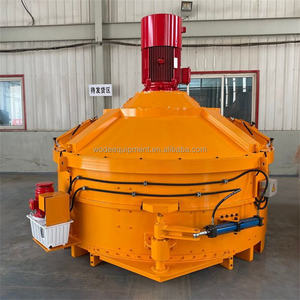
Concrete admixtures—also called concrete additives or ad mixtures—are chemical or mineral ingredients added to concrete mixes to modify their properties. From improving workability to enabling fast curing concrete additives or creating concrete siding that looks like wood, these compounds solve real-world challenges on job sites worldwide.
2. Superplasticizers: The Game-Changer in Concrete Flow
Superplasticizers (or high-range water reducing admixtures) are among the most transformative concrete chemicals today. They drastically reduce water content while maintaining or even enhancing slump—making them essential for high-performance concrete.
Two dominant types dominate the market: naphthalene-based superplasticizers and polycarboxylate ether (PCE) superplasticizers. Naphthalene sulfonate formaldehyde (SNF) types offer strong initial dispersion but suffer from faster slump loss. In contrast, PCE-based superplasticizer admixtures provide superior slump retention, lower dosage requirements, and compatibility with modern cement blends—making them the best superplasticizer for concrete in most contemporary applications.
- Naphthalene superplasticizer: Cost-effective but less stable over time
- Polycarboxylate superplasticizer: Higher performance, eco-friendlier, and ideal for precast or pumped concrete
3. Setting Time Modifiers: Accelerators vs. Retarders
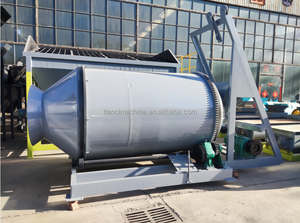
Controlling curing time is crucial. Concrete accelerator admixtures—like calcium nitrate or proprietary blends such as Chryso admixture—speed up early strength gain, perfect for cold-weather pours or fast-track repairs. They directly impact concrete accelerator curing time, sometimes cutting it by 50%.
On the flip side, concrete retarder admixtures delay hydration, useful in hot climates or for long-haul deliveries. Surface retarder concrete products even allow decorative stamping by keeping the surface workable while the core sets. Both types fall under chemical admixture for concrete but serve opposite purposes.
4. Air Entraining and Waterproofing Solutions
Air entraining concrete improves freeze-thaw resistance by creating microscopic air bubbles. An air entraining admixture—often a vinsol resin or synthetic surfactant—acts as an air entraining agent, boosting durability in northern climates. This is distinct from integral waterproofers, which block capillary pores.
For waterproofing, two main approaches exist: crystalline waterproofing admixture (which reacts with moisture to form insoluble crystals) and hydrophobic cement waterproofing additives. Both qualify as concrete waterproofing additive options, but crystalline types offer permanent, self-healing protection—ideal for basements or tunnels.
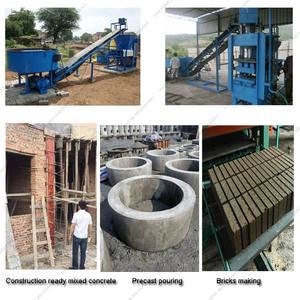
5. Fiber Reinforcement: Beyond Steel
Fiber reinforced concrete is no longer niche. From polypropylene fibres for concrete (microfibers that control plastic shrinkage) to steel fibers for concrete (macro fibers adding post-crack strength), reinforcement fiber for concrete enhances toughness without rebar.
Innovations include coconut fiber reinforced concrete for sustainable builds and carbon fiber reinforcement in concrete for ultra-lightweight structural elements. These concrete additives fiber solutions are increasingly used in concrete siding, fibercement siding, and even home exteriors—offering alternatives to traditional materials at competitive concrete siding cost.
6. Specialty Additives: Foaming Agents, Release Agents & More
Foaming agents for foam concrete enable lightweight CLC blocks and insulating fills. Protein-based foaming agents yield stable, fine-cell aircrete, while synthetic types offer consistency. Similarly, concrete release agents—powder or spray—prevent sticking during stamping, crucial for achieving stamped concrete colors and patterns without surface damage.
White cement and colored concrete powders also rely on compatible admixtures to maintain hue integrity and workability—showcasing how even aesthetic choices depend on smart admixture selection.
7. Choosing the Best Admixture for Your Project
There’s no universal ‘best admixture for concrete.’ A highway project might prioritize polycarboxylate superplasticizer for pumpability, while a coastal home using concrete siding may need both air entraining and waterproof admix to resist salt corrosion. Always consider:
- Environmental exposure (freeze-thaw, chlorides, heat)
- Required strength and setting window
- Aesthetic goals (e.g., stamped, colored, or white concrete)
- Compatibility with other concrete chemicals
8. Conclusion
From superplasticizer in concrete to fiberfor concrete mixes and crystalline waterproofing admixture, modern admixtures empower builders to push boundaries safely and sustainably. As new formulations emerge—like bio-based plasticizer admixtures or nano-enhanced cement admixtures—the future of concrete is not just stronger, but smarter. Whether you’re pouring a driveway or designing a skyscraper, the right admixture types can make all the difference.
Our Website founded on October 17, 2012, is a high-tech enterprise committed to the research and development, production, processing, sales and technical services of ceramic relative materials such as What. Our products includes but not limited to Boron Carbide Ceramic Products, Boron Nitride Ceramic Products, Silicon Carbide Ceramic Products, Silicon Nitride Ceramic Products, Zirconium Dioxide Ceramic Products, etc. If you are interested, please feel free to contact us.