Professional solutions on concrete addtives, Concrete Foaming Agent, Superplasticizer, CLC Blocks Additives, and foaming machine

7 Essential Types of Concrete Admixtures Every Builder Should Know in 2024
1. Introduction
Just 48 hours ago, major construction firms across North America reported a surge in demand for high-performance concrete admixtures—especially polycarboxylate-based superplasticizers—as infrastructure projects accelerate under new federal funding. This spike reflects a broader industry pivot toward smarter, more durable concrete solutions. Whether you’re pouring a driveway or building a skyscraper, understanding the right admixture used in concrete can dramatically improve strength, workability, and longevity.
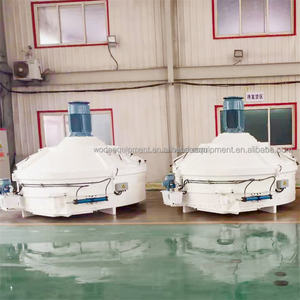
Concrete admixtures—also called concrete additives or chemical admixtures for concrete—are materials added to concrete before or during mixing to modify its properties. From speeding up curing time with a concrete accelerator to enhancing freeze-thaw resistance with an air entraining admixture, these compounds are indispensable in modern construction. Let’s break down seven critical admixture types that dominate today’s market.
2. Superplasticizers: The Game-Changer in Workability
Superplasticizers (or high-range water reducing admixtures) are among the most widely used concrete chemicals. They drastically reduce water content while maintaining flowability—ideal for creating high-strength, low-permeability concrete without compromising workability.
2.1. Polycarboxylate Ether (PCE) vs. Naphthalene-Based Superplasticizers
Polycarboxylate ether (PCE) superplasticizers represent the latest evolution in superplasticizer technology. Unlike older naphthalene sulfonate formulations, PCE-based products offer superior slump retention, lower dosage requirements, and compatibility with a wider range of cements. They’re especially effective in self-consolidating concrete and precast applications.
- Polycarboxylate superplasticizer advantages: higher water reduction (up to 40%), minimal slump loss, eco-friendlier production
- Naphthalene-based superplasticizer drawbacks: shorter workability window, higher dosage needed, potential odor and formaldehyde concerns
For contractors seeking the best superplasticizer for concrete in 2024, PCE is increasingly the go-to—though cost remains slightly higher than traditional options like SNF (sulfonated naphthalene formaldehyde).
3. Air Entraining Admixtures: Built-In Freeze-Thaw Defense
Air entraining concrete contains microscopic air bubbles intentionally introduced via an air entraining agent. These bubbles act as pressure relief valves during freezing cycles, preventing internal cracking.
Commonly used in cold climates, air entraining admixtures are essential for pavements, bridges, and exterior slabs. Look for products labeled as air entraining cement additives—they typically contain vinsol resin or synthetic surfactants. While they slightly reduce compressive strength, the trade-off in durability is well worth it.
4. Waterproofing Admixtures: Beyond Surface Coatings
Waterproofing admixture for concrete works from within, unlike topical sealers. Two main categories dominate: integral waterproofer types (like hydrophobic pore blockers) and crystalline waterproofing admixtures.
Crystalline admixtures react with moisture and unhydrated cement particles to form insoluble crystals that block capillary pores—offering permanent, self-healing protection. Brands like Xypex and Kryton lead this segment, but generic cement waterproofing additives are also gaining traction for basements and water tanks.
5. Retarders and Accelerators: Controlling Cure Time
Concrete retarder admixtures delay setting time—critical in hot weather or for long hauls. Conversely, accelerating admixtures for concrete shorten curing time, enabling faster form removal or early load application.
A concrete accelerator curing time of just 6–12 hours (vs. 24+ normally) can keep tight schedules on track. Calcium chloride was once standard but is now avoided due to corrosion risks; non-chloride accelerators like triethanolamine are safer for reinforced structures.
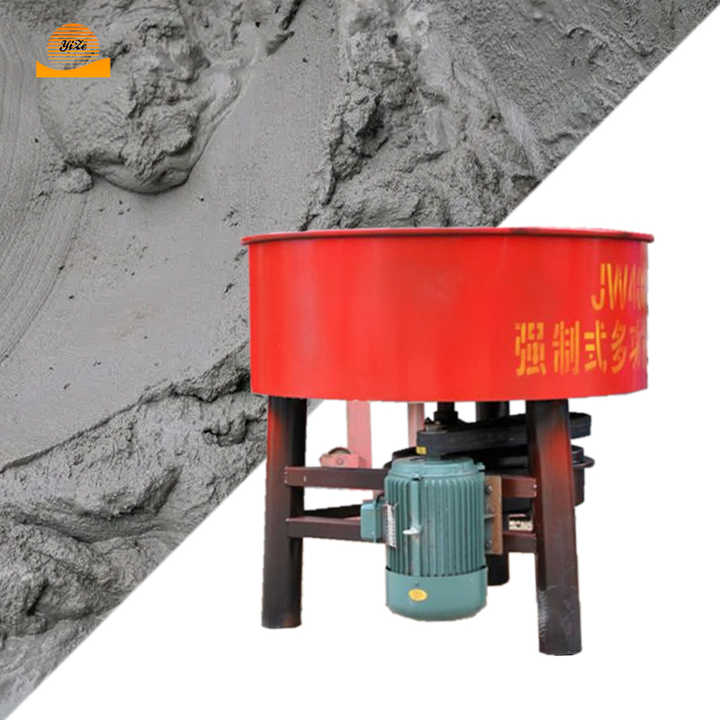
Surface retarder concrete products are also used decoratively—to expose aggregate in stamped finishes.
6. Fiber Reinforcement: From Micro to Macro
Fibers for concrete—whether polypropylene, steel, or even coconut fiber—enhance tensile strength, reduce cracking, and improve impact resistance. Polypropylene fibres for concrete are popular in residential slabs due to their cost-effectiveness and ease of use.
Steel fiber reinforced concrete is preferred for industrial floors and tunnels, while carbon fiber reinforcement in concrete remains niche but promising for seismic retrofitting. Note: fibers don’t replace rebar but complement it—think of them as micro-reinforcement.
Products like Fibermesh concrete integrate PP fibers directly into the mix, eliminating secondary mesh installation. For homeowners exploring concrete siding options (e.g., Hardie or CertainTeed), fiber-reinforced cement boards offer wood-like aesthetics with superior fire and pest resistance.
7. Specialty Additives: Foaming Agents, Colorants & Release Agents
Beyond core performance, modern admixtures address aesthetics and process efficiency. Concrete foaming agents create lightweight cellular concrete for insulation blocks—protein-based and synthetic variants dominate the CLC (cellular lightweight concrete) market.
Colored concrete relies on iron oxide pigments, while stamped concrete colors require compatible release agents (powder or spray) to prevent sticking and add accent hues. Don’t overlook concrete form release agents—they ensure clean demolding without surface defects.
White cement, often paired with superplasticizers for architectural finishes, is seeing renewed interest for countertops and decorative panels due to its bright, clean appearance.
8. Conclusion
Choosing the best admixture for concrete isn’t about picking the most expensive—it’s about matching the admixture type to your project’s environmental, structural, and aesthetic needs. Whether you need a water reducer for high-strength columns, an air entraining admixture for northern climates, or a crystalline waterproof admix for a basement, today’s concrete additives offer precision-engineered solutions. As sustainability and performance demands rise, expect polycarboxylate superplasticizers, smart waterproofers, and hybrid fiber systems to lead the next wave of innovation in concrete chemistry.
Our Website founded on October 17, 2012, is a high-tech enterprise committed to the research and development, production, processing, sales and technical services of ceramic relative materials such as 7. Our products includes but not limited to Boron Carbide Ceramic Products, Boron Nitride Ceramic Products, Silicon Carbide Ceramic Products, Silicon Nitride Ceramic Products, Zirconium Dioxide Ceramic Products, etc. If you are interested, please feel free to contact us.