Professional solutions on concrete addtives, Concrete Foaming Agent, Superplasticizer, CLC Blocks Additives, and foaming machine

How to Choose and Use the Best Concrete Admixtures for Your Project
1. Introduction
Ever poured concrete only to find it too stiff, too slow to set, or cracking after a few weeks? The secret to solving these issues often lies in something you might overlook: admixtures. These concrete additives—also called concrete chemicals—are specially formulated compounds that enhance performance, workability, and longevity. From superplasticizer in concrete to air entraining admixture and integral waterproofer, the right admixture can transform an average pour into a high-performance slab.
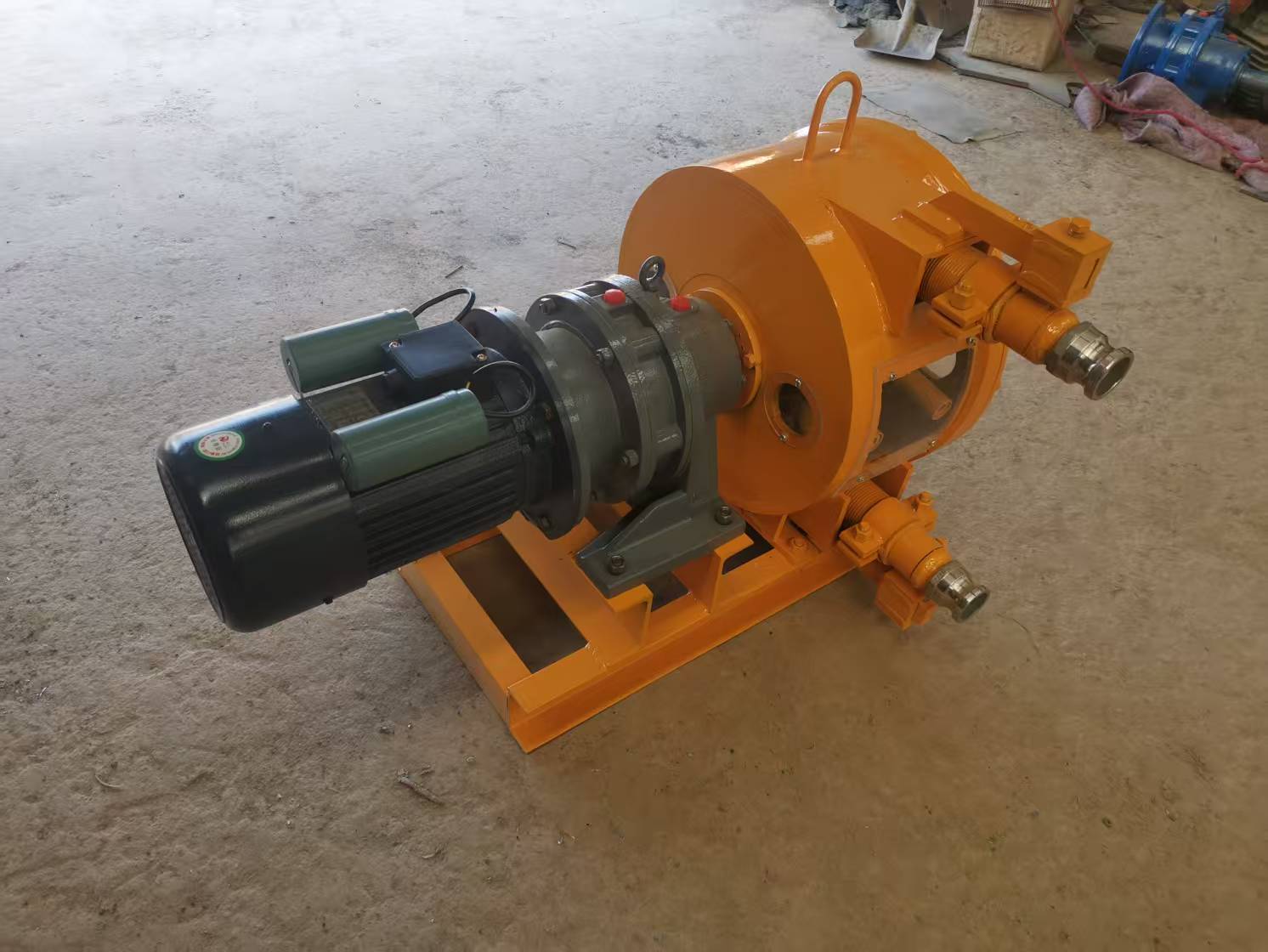
In this step-by-step guide, we’ll break down the most common admixture types, explain when and how to use them, and troubleshoot frequent problems so you get durable, reliable results every time.
2. Understanding Common Admixture Types
Not all admixtures are created equal. Choosing the best admixture for concrete starts with knowing what each type does.
2.1 Water-Reducing Admixtures
Water reducing admixtures—like superplasticizer and mid-range water reducers—improve workability without adding extra water. This is crucial because excess water weakens concrete. Superplasticizers (often polycarboxylate ether-based) are high-range water reducers that can cut water content by up to 30%, making them ideal for high-strength or self-consolidating concrete. Look for terms like PCE superplasticizer or naphthalene-based superplasticizer depending on your mix design.
- Use superplasticizer admixture when you need flowable concrete for tight rebar spacing or complex forms.
- Avoid overdosing—too much can cause segregation or rapid slump loss.
2.2 Accelerating and Retarding Admixtures
Concrete accelerator admixtures speed up curing time—perfect for cold weather or fast-track projects. On the flip side, concrete retarder admixtures delay setting, giving you more time to finish large pours in hot conditions. Surface retarder concrete is also used for exposed aggregate finishes.
Always match the admixture retarder or accelerator to ambient temperature and project timeline. Fast curing concrete additives shouldn’t be used in summer unless absolutely necessary.
2.3 Air Entraining Admixtures
Air entraining concrete contains microscopic air bubbles that improve freeze-thaw resistance—essential in colder climates. These air entraining agents create stable voids that prevent internal cracking when water expands during freezing.
Use air entraining admixture if your structure will face winter weather. Don’t confuse it with foaming agents used in lightweight foam concrete—that’s a different application entirely.
2.4 Waterproofing and Integral Additives
For basements, pools, or wet areas, consider a concrete waterproofing additive. Options include crystalline waterproofing admixture (which reacts with moisture to form insoluble crystals) or cement waterproofing additive that blocks capillary pores.
Integral waterproofer works from within the mix, unlike surface sealers. It’s especially effective as a waterproof admix in foundations or retaining walls.
3. Fiber Reinforcement: Beyond Traditional Rebar
Fibers for concrete—like polypropylene fibres for concrete, steel fibers for concrete, or even coconut fiber reinforced concrete—add tensile strength and reduce cracking. Macro fibers and microfibers serve different purposes: macro fibers control structural cracks, while microfibers minimize plastic shrinkage.
Fiber reinforced concrete is increasingly popular for driveways, sidewalks, and industrial floors. Brands like Fibermesh offer easy-to-mix solutions. Just ensure proper dispersion—clumping ruins performance.
4. Step-by-Step: How to Add Admixtures Correctly
Adding admixtures seems simple, but mistakes can ruin your pour. Follow these steps:
4.1 Read the Technical Data Sheet
Every admixture chemical comes with dosage guidelines. For example, superplasticizer price may tempt you to skimp—but underdosing reduces effectiveness, while overdosing causes bleeding or flash set.
4.2 Add at the Right Time
Most liquid admixtures (like concrete plasticiser or accelerating admixtures for concrete) should be added during mixing—not after. Powdered additives (e.g., colored concrete powder) must be pre-blended with dry cement to avoid streaks.
4.3 Mix Thoroughly
Run the mixer for at least 3–5 minutes after adding any admixture. Inadequate mixing leads to inconsistent performance—especially with fiberfor concrete or waterproofing admixture for concrete.
5. Troubleshooting Common Problems
Even pros run into issues. Here’s how to fix them:
5.1 Concrete Too Stiff After Adding Superplasticizer
This usually means the superplasticizer was added too early or the cement was too hot. Try a second, smaller dose—but never exceed manufacturer limits.
5.2 Excessive Air Bubbles
If your air entraining cement mix has too many large voids, you likely overused the air entraining agent. Stick to 4–7% air content for most exterior applications.
5.3 Delayed Setting Despite Using an Accelerator
Check expiration dates—old concrete accelerator loses potency. Also, some cements (like those with high fly ash) resist acceleration; switch to a stronger accelerating admixtures for concrete if needed.
6. Pro Tips for DIYers and Contractors
- Store admixtures in cool, dry places—heat degrades polycarboxylate ether superplasticizer.
- When in doubt, consult product lines like Chryso admixture or Sika—they offer detailed guidance per application.
- For decorative work (e.g., stamped concrete colors), pair release agents with compatible admixtures to avoid surface defects.
7. Conclusion
Choosing the right admixture used in concrete isn’t just about following a recipe—it’s about understanding your environment, timeline, and structural needs. Whether you’re using a concrete water reducer to boost strength, an air entraining concrete admixture for winter durability, or a crystalline waterproofing admixture for a basement, precision matters. With this guide, you’re equipped to select, apply, and troubleshoot like a pro—ensuring your concrete performs as well as it looks.
Our Website founded on October 17, 2012, is a high-tech enterprise committed to the research and development, production, processing, sales and technical services of ceramic relative materials such as How. Our products includes but not limited to Boron Carbide Ceramic Products, Boron Nitride Ceramic Products, Silicon Carbide Ceramic Products, Silicon Nitride Ceramic Products, Zirconium Dioxide Ceramic Products, etc. If you are interested, please feel free to contact us.