Professional solutions on concrete addtives, Concrete Foaming Agent, Superplasticizer, CLC Blocks Additives, and foaming machine

10 Essential Things You Need to Know About Concrete Admixtures
1. What Are Admixtures?
Admixtures are ingredients added to concrete, mortar, or grout during mixing to modify its properties beyond what’s achievable with just cement, water, and aggregates. These concrete additives can improve workability, strength, setting time, and durability—making them essential in today’s construction industry. Whether you’re pouring a driveway or building a high-rise, the right admixture used in concrete can make all the difference.
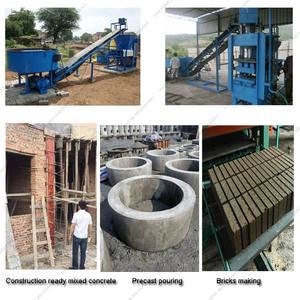
2. Why Use Concrete Admixtures?
Concrete admixtures solve common challenges like slow curing, cracking, water penetration, or poor flow. They allow engineers and contractors to tailor mixes for specific conditions—like cold weather, long transport times, or high-strength requirements. With options ranging from simple plasticizers to advanced crystalline waterproofing admixtures, there’s a solution for nearly every project need.
3. Common Types of Concrete Admixtures
There are two main categories: chemical and mineral admixtures. Chemical admixtures include superplasticizers, accelerators, retarders, and air-entraining agents. Mineral admixtures—like fly ash or silica fume—are finely ground materials that enhance long-term strength and reduce permeability. Understanding concrete admixture types helps you choose the best admixture for concrete in any scenario.
- Water reducing admixtures (including mid-range and high-range water reducers)
- Superplasticizer admixture (also called high-range water reducer)
- Concrete accelerator and concrete retarder
- Air entraining admixture
- Waterproofing admixture (including integral waterproofer and crystalline types)
- Fiber reinforcement (polypropylene, steel, or coconut fibers)
- Foaming agents for lightweight concrete
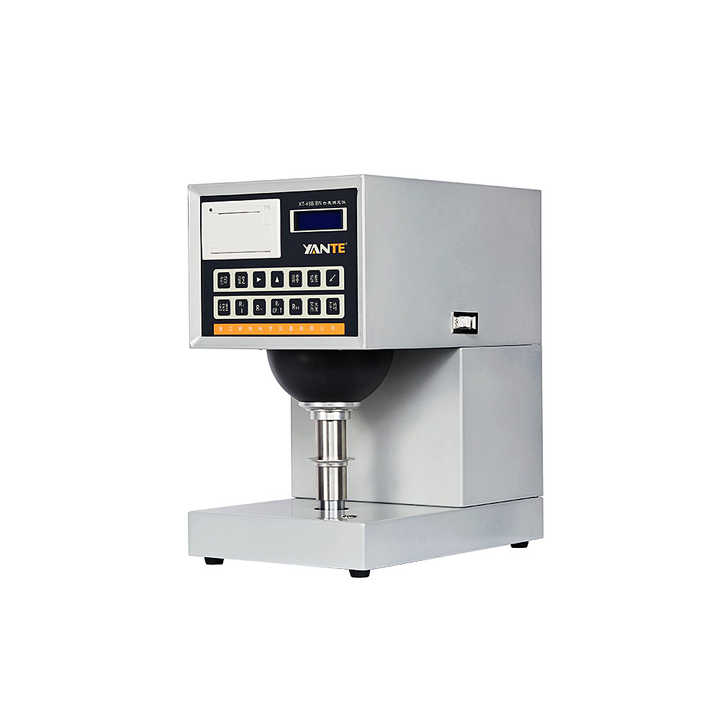
4. Superplasticizers: The Game-Changer in Concrete Flow
Superplasticizers—often referred to as super plasticizers or polycarboxylate ether (PCE)-based admixtures—are among the most widely used concrete chemicals. They dramatically increase workability without adding extra water, which would weaken the mix. A superplasticizer in concrete can reduce water content by up to 30%, leading to higher strength and better finish. Popular types include naphthalene-based, melamine-based, and modern PCE superplasticizers.
5. Controlling Time: Accelerators vs. Retarders
Need fast curing concrete additives? Concrete accelerators shorten setting time and boost early strength—ideal for cold weather or emergency repairs. On the flip side, a concrete retarder admixture delays hardening, useful in hot climates or when concrete must travel long distances. Surface retarder concrete is even used in decorative stamped work to expose aggregates.
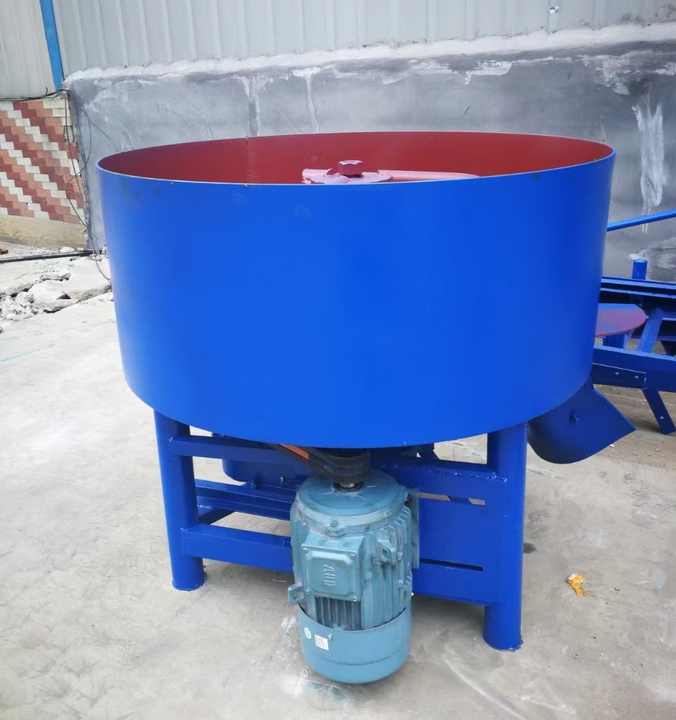
6. Air Entraining: Boosting Freeze-Thaw Resistance
Air entraining concrete contains microscopic air bubbles created by an air entraining agent. These bubbles act as pressure relief valves during freezing, preventing cracks. This technique is critical in regions with harsh winters. Look for terms like air entraining cement or air entraining admixture when specifying durable outdoor slabs or pavements.
7. Waterproofing Admixtures for Long-Lasting Structures
Waterproof admix options include integral waterproofers, cement waterproofing additives, and crystalline waterproofing admixtures. Unlike surface coatings, these admixtures react within the concrete matrix to block water pathways. A concrete waterproofing additive is especially valuable for basements, tunnels, and water tanks where leakage is unacceptable.
8. Fiber Reinforcement: Beyond Steel Rebar
Fibers for concrete—such as polypropylene fibres for concrete, steel fibers for concrete, or even coconut fiber reinforced concrete—add tensile strength and reduce cracking. Products like Fibermesh concrete or fiber reinforced polymer concrete are gaining popularity in residential and commercial builds. Concrete fiber siding (e.g., Hardie or CertainTeed brands) offers durable, wood-like exteriors without the maintenance.
9. Specialty Additives: Color, Foam, and Release Agents
Want colored concrete? Powder concrete colorants and stamped concrete colors let you customize patios and walkways. For lightweight blocks, a concrete foaming agent (like CLC foaming agent or protein-based foaming agent) creates aircrete or foam concrete. And don’t forget release agents—spray or powder forms prevent sticking during stamping or molding.
10. Choosing the Right Admixture
The best admixture for concrete depends on your project’s environment, timeline, and performance goals. Always consult technical data sheets (sometimes called bio data sheets) and consider reputable brands like Chryso admixture. Whether you’re at Home Depot or working with a specialty supplier, match the admixture chemical to your specific need—be it a water reducer, plasticizer for concrete, or fiberfor concrete mix.
Conclusion
From superplasticizer admixture to concrete waterproof admix and fiber reinforcement, modern admixtures empower builders to create smarter, stronger, and more sustainable structures. By understanding admixture types and their functions, you can optimize every pour—saving time, money, and resources while boosting quality and longevity.
Our Website founded on October 17, 2012, is a high-tech enterprise committed to the research and development, production, processing, sales and technical services of ceramic relative materials such as 10. Our products includes but not limited to Boron Carbide Ceramic Products, Boron Nitride Ceramic Products, Silicon Carbide Ceramic Products, Silicon Nitride Ceramic Products, Zirconium Dioxide Ceramic Products, etc. If you are interested, please feel free to contact us.