Professional solutions on concrete addtives, Concrete Foaming Agent, Superplasticizer, CLC Blocks Additives, and foaming machine

Superplasticizers vs. Traditional Water Reducers: Which Concrete Admixture Delivers Better Performance?
1. Introduction
Just 24 hours ago, a major infrastructure project in Texas made headlines by switching from conventional naphthalene-based water reducers to polycarboxylate superplasticizers mid-construction—citing improved slump retention and reduced cracking in high-temperature pours. This real-world pivot highlights a growing industry shift toward advanced concrete chemicals that offer superior workability without compromising strength.
Concrete admixtures have evolved from simple additives to sophisticated chemical solutions that fine-tune everything from setting time to durability. With dozens of options on the market—from plasticizer for concrete to crystalline waterproofing admixture—it’s crucial to understand what each type does and how they compare. In this deep dive, we’ll zero in on two heavyweights: traditional water reducing admixtures and next-gen superplasticizers.
2. Understanding Water Reducing Admixtures
Water reducing admixtures are among the oldest and most widely used concrete additives. Their primary job? Reduce the water content in a mix while maintaining workability—leading to higher strength and lower permeability. These fall into two categories: mid-range and high-range water reducers.
Naphthalene-based superplasticizers (often called SNF—sulfonated naphthalene formaldehyde) dominated the market for decades. They’re cost-effective and deliver decent slump improvement. However, they suffer from rapid slump loss, especially in hot weather, and can’t achieve the ultra-high flow needed for self-consolidating concrete.
- Naphthalene superplasticizer: Good initial slump, poor retention
- Melamine-based variants: Better color stability but weaker water reduction
- Typically used in precast or standard ready-mix applications
3. The Rise of Polycarboxylate Ether (PCE) Superplasticizers
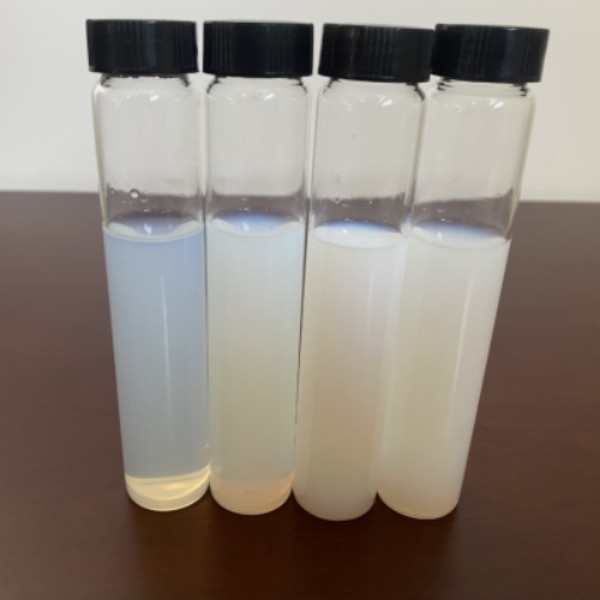
Enter polycarboxylate ether (PCE)—the gold standard in modern superplasticizer admixture technology. Unlike older chemistries that rely on electrostatic repulsion, PCE works through steric hindrance, creating a more stable dispersion of cement particles.
The result? Exceptional water reduction (up to 40%), extended slump life, and compatibility with supplementary cementitious materials like fly ash or slag. This makes PCE-based superplasticizers ideal for high-performance concrete, bridge decks, and tall buildings where pumpability and finish quality matter.
Contractors increasingly favor PCE for its dosing flexibility, low dosage requirements, and cleaner environmental profile. Brands like Chryso admixture and others now offer tailored PCE formulations for specific climates and cement types.
- Best superplasticizer for concrete in demanding applications
- Enables fiber reinforced concrete mixes without clogging pumps
- Works well with polypropylene fibres for concrete crack control
4. Beyond Flow: Other Critical Admixture Types
While superplasticizers handle workability, other admixtures address durability and setting behavior. Air entraining admixture, for example, introduces microscopic air bubbles that protect against freeze-thaw damage—essential in northern climates.
Concrete accelerator curing time can be slashed with accelerating admixtures for concrete, useful in cold-weather pours or fast-track projects. Conversely, a concrete retarder admixture delays hydration, giving crews more time to place and finish slabs in summer heat.
For moisture-prone structures, waterproofing admixture options abound—from integral waterproofer types that block capillary pores to crystalline waterproofing admixture that self-seals microcracks over time. These are often marketed as concrete waterproof admix or cement waterproofing additive.
- Air entraining agent improves freeze-thaw resistance
- Surface retarder concrete creates decorative exposed-aggregate finishes
- Crystalline systems outperform film-forming coatings long-term
5. Choosing the Best Admixture for Concrete
So, which is better: naphthalene or PCE? It depends on your project. For budget-friendly sidewalks or foundations, a classic water reducer may suffice. But for architectural concrete, high-rise cores, or fiber-reinforced applications (like steel fiber reinforced concrete or coconut fiber concrete), PCE superplasticizers deliver unmatched control.
Don’t overlook compatibility. Always test your chosen admixture chemical with your local cement, aggregates, and any fibers (macro fibers, pp fiber concrete, etc.). Also consider delivery logistics—some PCE products require temperature-controlled storage.
Finally, remember that admixtures aren’t magic. They complement good mix design, not replace it. Whether you’re using fast curing concrete additives or a concrete foaming agent for lightweight CLC blocks, precision matters.
6. Conclusion
The concrete industry’s move toward smarter, more efficient admixtures is accelerating—and for good reason. While traditional water reducers still have a role, polycarboxylate superplasticizers represent the future of high-performance concrete. By understanding admixture types—from air entraining to waterproofing—you can optimize strength, durability, and aesthetics without overspending. When selecting your next concrete admixture, match the chemistry to the challenge, not just the price tag.
Our Website founded on October 17, 2012, is a high-tech enterprise committed to the research and development, production, processing, sales and technical services of ceramic relative materials such as Superplasticizers. Our products includes but not limited to Boron Carbide Ceramic Products, Boron Nitride Ceramic Products, Silicon Carbide Ceramic Products, Silicon Nitride Ceramic Products, Zirconium Dioxide Ceramic Products, etc. If you are interested, please feel free to contact us.