Professional solutions on concrete addtives, Concrete Foaming Agent, Superplasticizer, CLC Blocks Additives, and foaming machine

Admixtures Are Revolutionizing Modern Concrete—Here’s Everything You Need to Know
1. Introduction
Just 48 hours ago, major concrete chemical suppliers like Chryso and BASF announced expanded production of next-generation polycarboxylate ether (PCE) superplasticizers in response to surging global demand for high-performance, low-carbon concrete. This move highlights how admixtures are no longer optional extras—they’re central to sustainable, efficient, and durable construction.
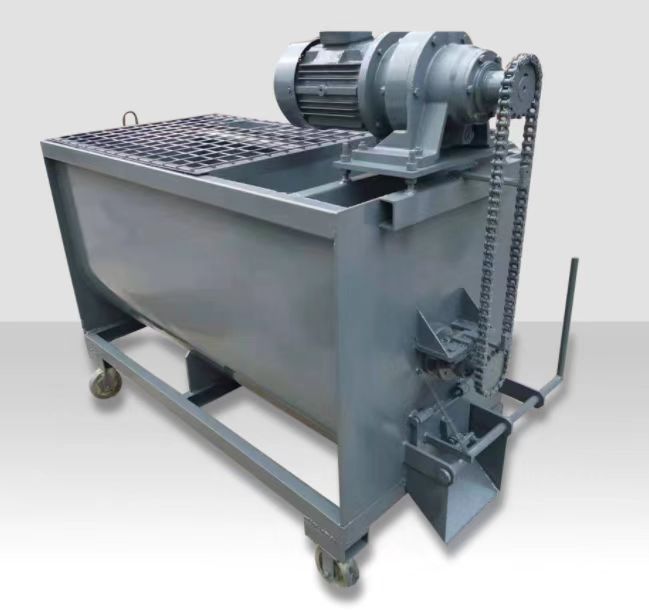
If you’ve ever wondered what makes modern concrete flow like liquid yet harden into rock-solid structures, the answer lies in admixtures. These concrete additives—also called ad mixtures or concrete chemicals—are carefully engineered substances that modify the properties of fresh or hardened concrete. Whether you’re pouring a driveway, building a skyscraper, or installing concrete siding, the right admixture can make all the difference.
2. What Are Admixtures?
Admixtures are materials added to concrete during mixing to enhance its performance. Unlike aggregates or cement, they’re used in small quantities—but their impact is massive. The term ‘admixture’ covers everything from plasticizers that improve workability to accelerators that speed up curing.
The American Concrete Institute (ACI) classifies admixtures into two broad categories: chemical and mineral. Chemical admixtures include superplasticizers, retarders, and air-entraining agents, while mineral admixtures like fly ash or silica fume improve long-term strength and durability.
3. Common Types of Concrete Admixture
There’s no one-size-fits-all solution when it comes to admixture types. The best admixture for concrete depends on your project’s climate, design, and performance needs. Here’s a quick look at the most widely used categories:
- Water reducing admixtures (including mid-range and high-range water reducers like superplasticizers)
- Concrete accelerator and concrete retarder formulations
- Air entraining admixture for freeze-thaw resistance
- Waterproofing admixture such as integral waterproofer and crystalline waterproofing admixture
- Fiber reinforcement like polypropylene fibre, steel fibers for concrete, and coconut fiber reinforced concrete
- Foaming agents for lightweight cellular concrete (e.g., CLC foaming agent)
- Color and release agents for decorative stamped concrete
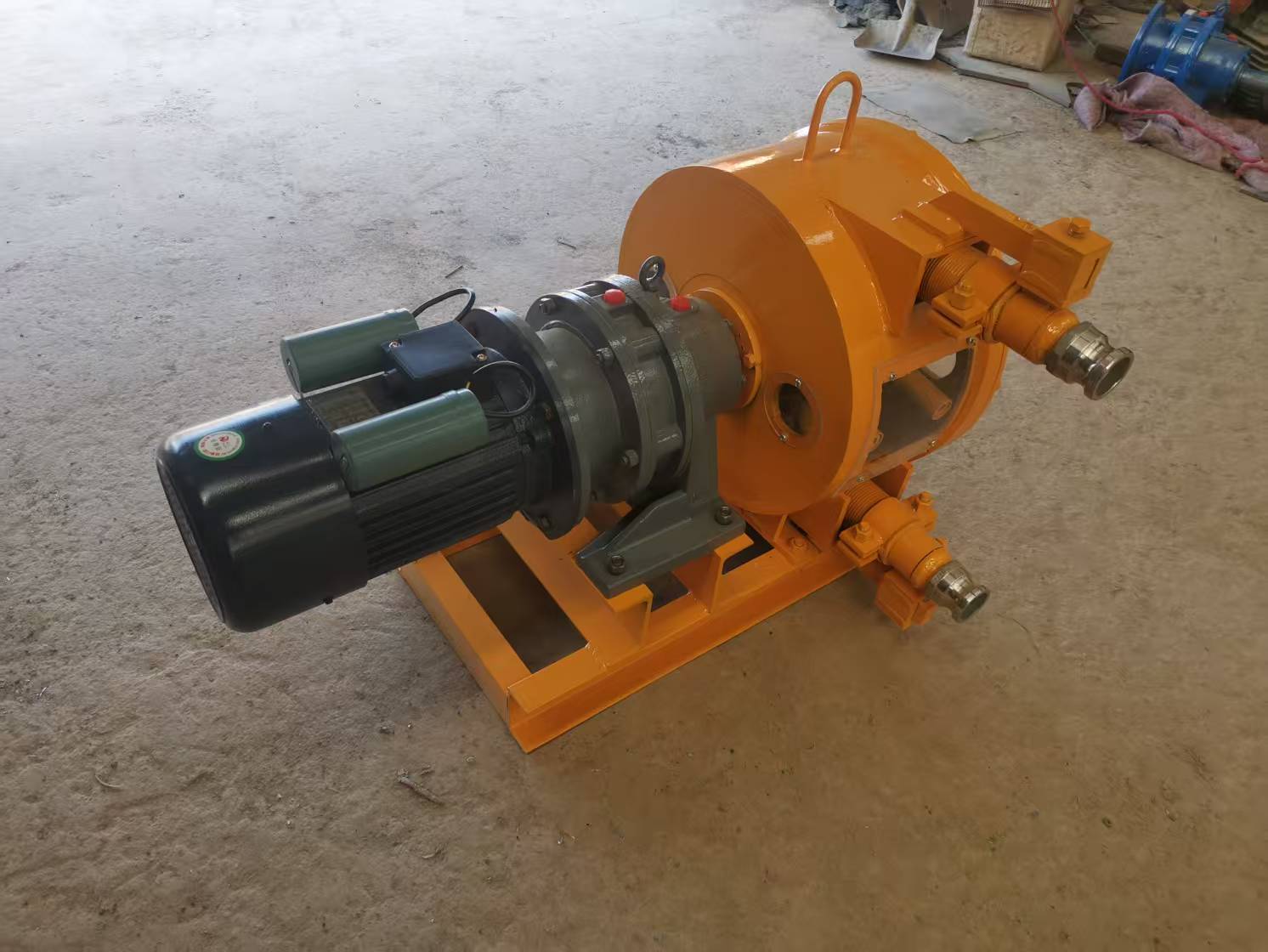
4. Superplasticizers: The Game-Changer in Concrete Workability
Among all concrete additives, superplasticizers stand out. Also known as high-range water reducers or plasticizer for concrete, these admixtures dramatically increase fluidity without adding extra water—which would weaken the final product.
Modern superplasticizer in concrete is typically based on polycarboxylate ether (PCE), offering superior slump retention and compatibility with various cements. Older types include naphthalene-based and melamine-based superplasticizers, but PCE-based versions dominate today due to their eco-friendliness and efficiency.
Whether labeled as super plasticizers, superplasticizer admixture, or concrete water reducer, these products enable self-consolidating concrete, reduce cement usage, and support complex architectural forms—making them essential in fast curing concrete additives strategies.
5. Waterproofing and Durability Enhancers
Water is concrete’s biggest enemy. That’s why waterproof admix like concrete waterproofing additive, cement waterproofing additive, and crystalline waterproofing admixture are critical in basements, bridges, and marine structures.
Integral waterproofers react chemically within the concrete matrix to block capillary pores, while surface-applied systems offer additional protection. Brands like Chryso offer specialized admixture waterproofing solutions that meet international durability standards.
6. Fiber Reinforcement: Beyond Steel Rebar
Fibers for concrete—whether polypropylene fibres for concrete, steel fiber reinforced concrete, or even natural options like coconut fibre concrete—add tensile strength and crack control. These reinforcement fiber for concrete options are increasingly used in slabs, pavements, and even concrete siding.
Products like fibermesh concrete or macro fibers help create fiber reinforced concrete that’s lighter, more impact-resistant, and easier to install. For homeowners, concrete fiber siding (also sold as fibercement siding or Hardie concrete siding) offers wood-like aesthetics with minimal maintenance.
7. Specialty Admixtures for Decorative and Lightweight Concrete
Want charcoal stamped concrete or terra cotta concrete color? Colored concrete relies on pigments and release agents like powder release agent for concrete or water-based release agent to achieve vivid, lasting finishes.
For lightweight builds, a concrete foaming agent—such as protein based foaming agent or synthetic foaming agent for concrete—creates aircrete or foam concrete. These CLC block foaming agents produce insulating, low-density blocks ideal for green construction.
8. Choosing the Right Admixture
Selecting the right admixture used in concrete starts with understanding your goals. Need faster setting? Use accelerating admixtures for concrete. Pouring in summer heat? A concrete retarder admixture or surface retarder concrete keeps the mix workable longer.
Always check compatibility with your cement type (including white cement for countertops or decorative uses) and follow dosage guidelines. Overuse of any admixture chemical can backfire—less is often more.
9. Conclusion
From superplasticizer admixture enabling ultra-high-strength mixes to air entraining agents protecting roads from winter damage, admixtures are the invisible heroes of modern concrete. As sustainability drives innovation—like low-carbon PCE superplasticizers and bio-based foaming agents—the future of construction will rely even more on smart, precise use of concrete additives. Whether you’re a contractor, engineer, or DIYer, understanding admixture types unlocks better, greener, and longer-lasting results.
Our Website founded on October 17, 2012, is a high-tech enterprise committed to the research and development, production, processing, sales and technical services of ceramic relative materials such as Admixtures. Our products includes but not limited to Boron Carbide Ceramic Products, Boron Nitride Ceramic Products, Silicon Carbide Ceramic Products, Silicon Nitride Ceramic Products, Zirconium Dioxide Ceramic Products, etc. If you are interested, please feel free to contact us.