Professional solutions on concrete addtives, Concrete Foaming Agent, Superplasticizer, CLC Blocks Additives, and foaming machine

High Capacity Foam Generators: The Unspoken Cost Driver in Lightweight Panel Production
Industry Shock: How Foam Volume Dictates Your Bottom Line
The most significant cost in lightweight concrete panels isn’t the cement or the aggregate. It’s the void space. High capacity foam generator systems directly control the economics of creating that void. A single commercial panel line underutilizing a low-capacity unit can waste over 15% of raw material costs through inconsistent density. This article dissects why capacity is the primary technical and financial variable for serious manufacturers.
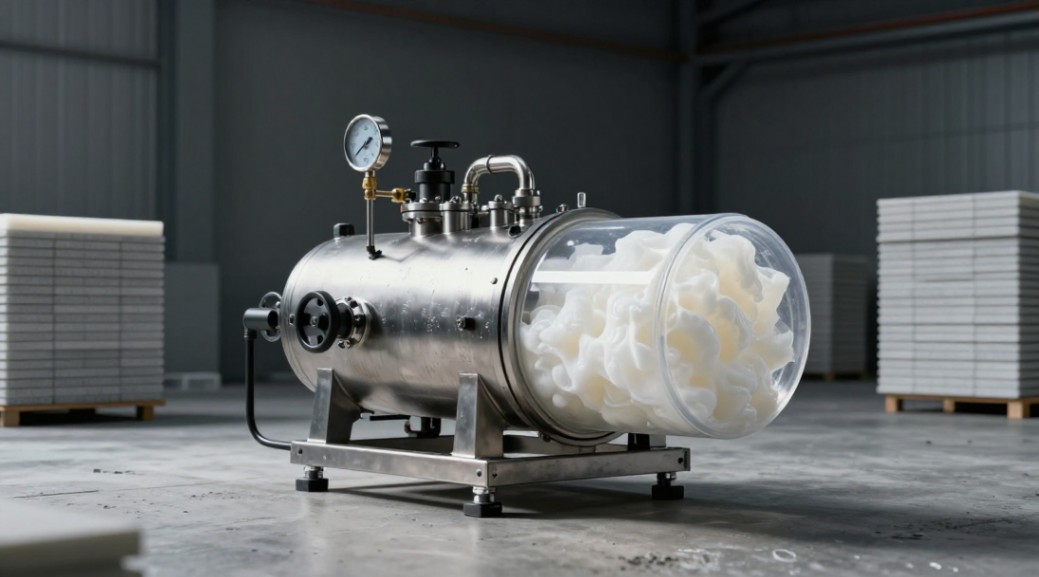
Q&A: The Core Logic of High-Volume Foam Generation
What defines a ‘high capacity’ foam generator for panels?
Capacity is measured in liters of finished foam per minute, stabilized for batching. True high capacity means sustaining a flow rate exceeding 500 L/min with foam density variation below +/- 10g/L over an 8-hour production cycle. The operational principle hinges on continuous proportional dosing of foam concentrate, water, and air under high shear mixing, not batch processing.
Why is high output critical for commercial panel quality?
Lightweight concrete requires uniform cell structure. Low output forces operators to stretch foam volume, compromising stability. The foam begins to collapse before full integration, creating density gradients. These gradients become weak planes in the cured panel. High capacity delivers a fresh, stable foam surge that integrates completely and homogeneously.
How does a high capacity unit integrate into automated batching?
It functions as a just-in-time component. The system receives a digital signal from the batch controller. It then delivers a precise foam volume directly into the mixing chamber within a narrow time window, synchronized with aggregate and binder discharge. This requires robust PLC interfaces and feedback loops monitoring foam density in real-time.
What are the comparative advantages over compressed air systems?
Dedicated high capacity foam generator systems offer superior control. Compressed air lines are notoriously dirty and oily, which destabilizes foam and contaminates the mix. Generator systems use controlled, clean air supplies. They provide precise adjustment of the air-to-solution ratio, which is the single most important factor for achieving target wet density.
What maintenance ensures durability in high-volume operation?
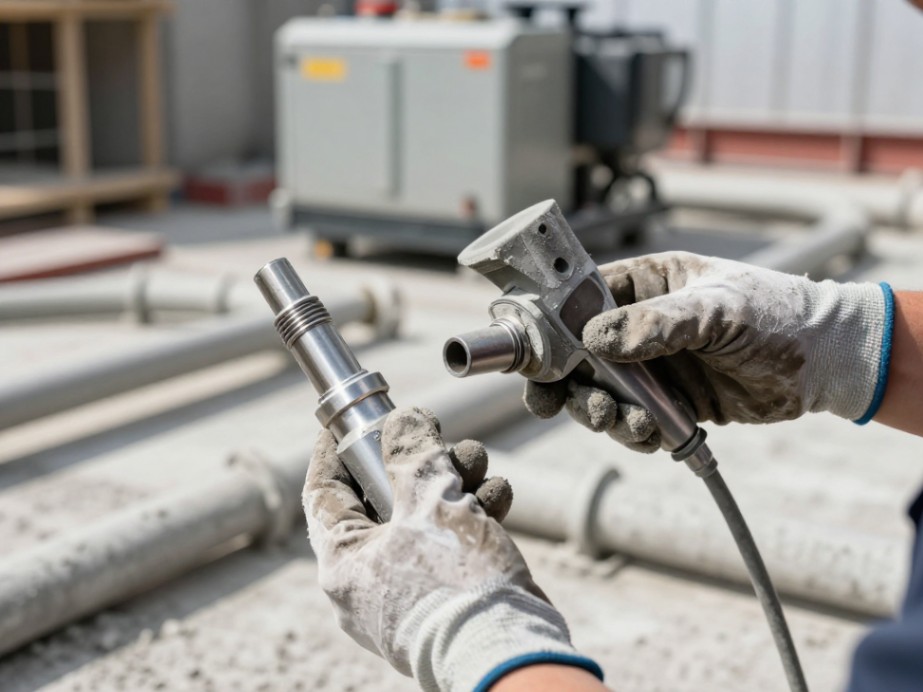
Two protocols are non-negotiable. First, daily flushing with clean water to prevent cementitious buildup in the injection lines. Second, monthly inspection and potential replacement of the shear head or nozzle, the components experiencing the most wear. Neglect here directly increases foam bubble size, reducing compressive strength.
Evaluating the Investment: Beyond the Price Tag
Analyzing a high capacity foam generator for lightweight concrete panels requires a lifecycle view. Key metrics extend beyond flow rate.
- Foam Stability (Drainage Time): Measure the time for 50ml of liquid to separate from 500ml of foam. Excellent stability exceeds 90 minutes. This directly correlates to panel surface hardness and nail-holding power.
- Material Compatibility: Test the generator with your specific cement, fly ash, and silica fume. Some admixtures can interfere with foaming agents. Pilot batching is essential.
- Energy per Liter: Calculate the electrical cost to produce 1000 liters of stable foam. Efficient systems optimize pump and compressor energy use, a major operational cost.
The return on investment manifests in three areas: reduced cement consumption per cubic meter, lower rejection rates from density failures, and the ability to run faster production cycles. A generator that bottlenecks your mixer is a false economy.
The Future: Precision Over Pure Volume
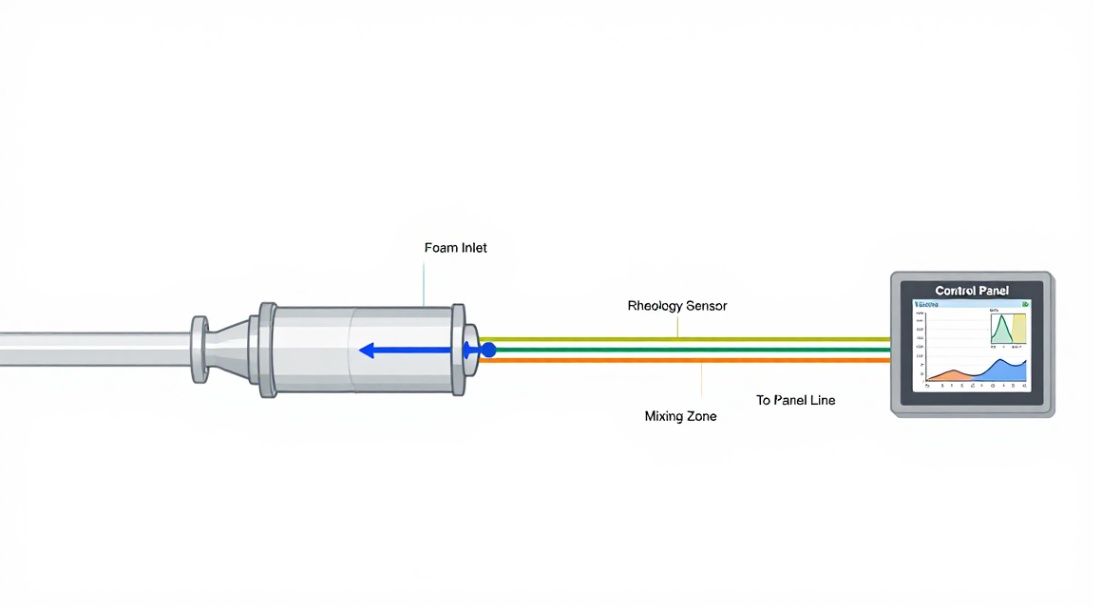
The next trend isn’t merely higher capacity. It’s smarter capacity. Future systems will integrate direct, in-line rheology sensors that adjust foam parameters in real-time based on the mix’s flow behavior. This moves the industry from volumetric control to performance-based control, guaranteeing strength and finish quality with every batch. Your next capital decision should prioritize a platform capable of this upgrade.
The logical conclusion is clear. For workshop-scale prototyping, smaller units suffice. For volume production of specification-grade lightweight concrete panels, a properly sized and integrated high capacity foam generator is not just equipment. It is the core of your product’s consistency and your project’s profitability. Evaluate your needs based on continuous output, integration depth, and total cost of operation, not just the initial purchase price.
We are the global leader in lightweight concrete and advanced engineered foam solutions. Known globally for its commitment to research, innovation, and applied expertise, we have been providing engineered foam solutions since the early 2012’s.
We can supply high-quality concrete admixture and foam concrete related products all over the world.
The company has a professional technical department and quality supervision department, a well-equipped laboratory, and equipped with advanced testing equipment and after-sales customer service center.
If you are interested, please feel free and contact us.