Professional solutions on concrete addtives, Concrete Foaming Agent, Superplasticizer, CLC Blocks Additives, and foaming machine

Industrial Foam Generating Equipment: The Real Truth About Precast Concrete Quality
The $10,000 Mistake in Every Foam Room
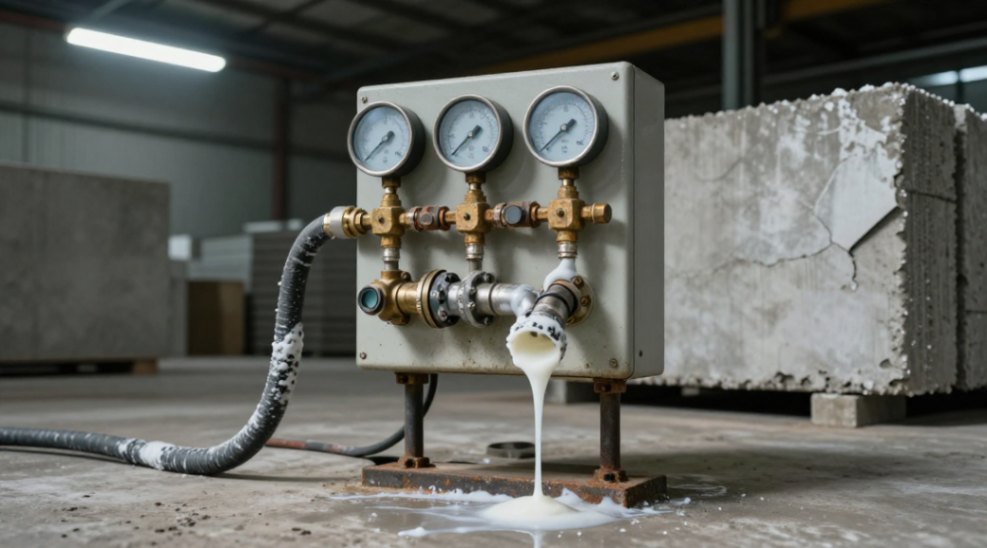
I watched a plant manager shrug as another batch of lightweight wall panel crumbled under its own design load. The problem wasn’t the mix design. It wasn’t the cement. It was the inconsistent, watery foam from a neglected industrial foam generating equipment setup. Most plants treat this equipment like a coffee maker. Plug it in, press go. The result is catastrophic variance in concrete density and structural integrity. Let’s fix that.
The Core Job: More Than Just Bubbles
Industrial foam generating equipment for precast plants has one mission: deliver mechanically stable, volumetrically consistent foam into your concrete mixer. Every bubble’s size, wall strength, and survival rate dictates the final product. Get it wrong, and you bake weakness and waste into every element.
Step 1: Choose Your Weapon – Inline vs. Batch
Your first critical decision defines everything else.
- Inline Shear Systems: Continuously produce foam. They combine pressurized foaming agent solution and air through a high-shear mixing head. Ideal for high-volume production with a steady, predictable batching rhythm.
- Batch Systems: Generate a discrete “batch” of foam into a holding tank before injection. They offer superior control for precise, recipe-specific foam densities, especially for smaller or variable batches. Reddit forums are filled with plant operators debating this choice. The consensus? For automated, high-output plants, inline wins. For specialized, mix-on-the-fly work, batch systems provide the control veterans demand.
Step 2: Master the Trifecta of Control
The generator is just the start. Control three variables religiously.
- Air-to-Solution Ratio: This is your foam density dial. A precise metering pump for the foaming agent and a regulated air supply are non-negotiable. The ratio dictates foam expansion and, ultimately, the weight of your cured concrete. This is where cheap systems fail spectacularly.
- Pressure & Shear: Consistent pressure ensures consistent bubble formation. The shear mechanism inside the mixing head must be durable enough to handle abrasive agents without wear that changes bubble structure over time.
- Material Compatibility: Your foaming agent and concrete admixtures must be chemically compatible. A foaming agent that breaks down in the presence of a specific superplasticizer is a recipe for a collapsed batch. Test them together.
Step 3: Integrate or Perish
Stand-alone foam generation is obsolete. Your industrial foam generating equipment must talk to your batching plant’s PLC.
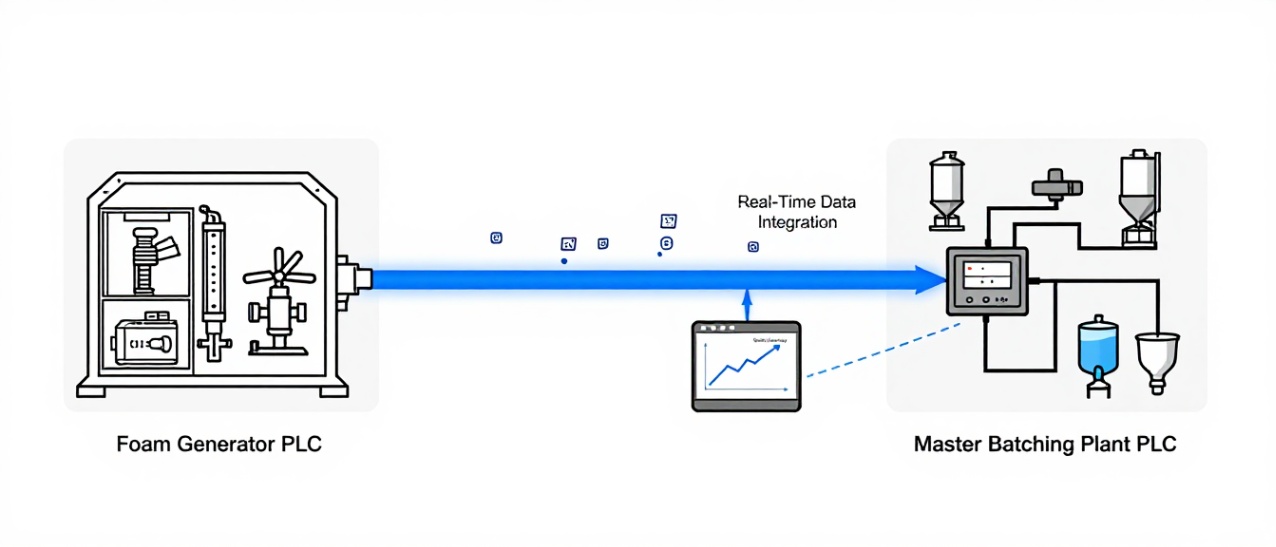
- Automated density feedback loops adjust the air/solution ratio in real-time based on the actual foam flowing to the mixer.
- Centralized control systems log every batch – foam expansion ratio, stability, volume. This data is your shield against liability claims and your roadmap to process optimization.
- Future-proof with IoT connectivity. Remote monitoring and predictive maintenance alerts for pump wear or pressure drops prevent costly downtime.
The Hard Truth About Durability
This equipment lives in a harsh environment. Concrete dust, vibration, moisture. Specify components accordingly.
- Pumps and valves must handle the specific gravity and abrasiveness of your foaming agent.
- Stainless steel or hardened alloys for fluid paths prevent corrosion that contaminates foam.
- Schedule maintenance based on runtime hours, not when it breaks. A failing pump doesn’t announce itself until your foam quality has been degrading for weeks.
What This Buys You
Precision here translates directly to performance and profit.
- Predictable Density: Achieve consistent lightweight properties for insulation-rated panels, reducing thermal bridging and meeting spec every time.
- Structural Integrity: Uniform bubble dispersion means uniform compressive strength. No weak zones.
- Material Savings: Precise foam volume control reduces cement and aggregate overuse, driving down batch cost.
The biggest mistake is viewing industrial foam generating equipment as a utility. It’s a precision instrument. Calibrate it like one, integrate it fully, and maintain it ruthlessly. Your plant’s reputation depends on the quality of the bubbles you make.
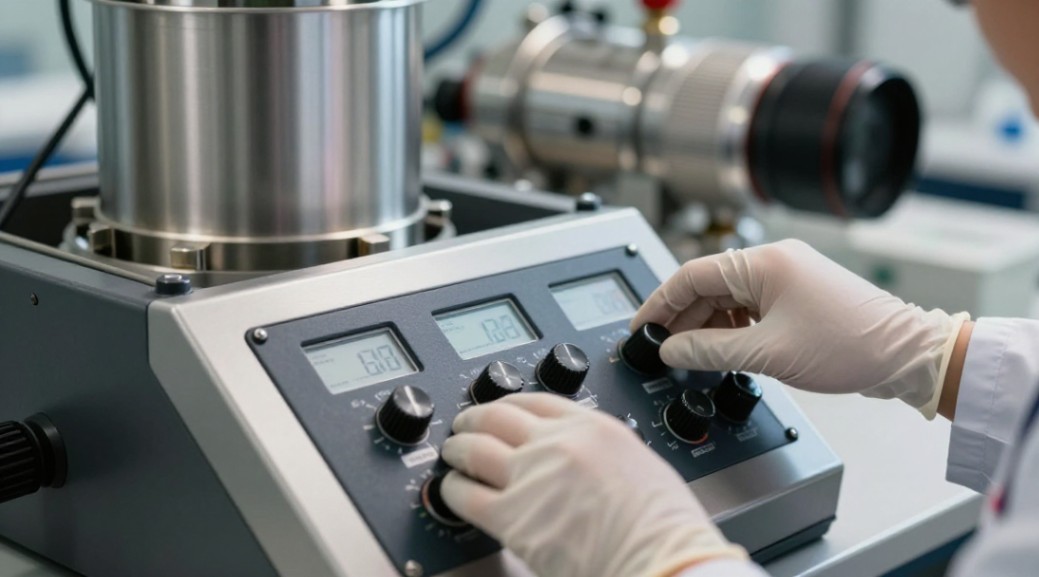
Your next move is simple. Audit your current foam generation process. Measure the density of your foam at the discharge point every hour for a week. The variance will scare you straight. Then, scrutinize your system’s integration with your batch controls. If it’s manual, you’re already behind. This isn’t about buying new gear. It’s about mastering the process you already own.
We are the global leader in lightweight concrete and advanced engineered foam solutions. Known globally for its commitment to research, innovation, and applied expertise, we have been providing engineered foam solutions since the early 2012’s.
We can supply high-quality concrete admixture and foam concrete related products all over the world.
The company has a professional technical department and quality supervision department, a well-equipped laboratory, and equipped with advanced testing equipment and after-sales customer service center.
If you are interested, please feel free and contact us.