Professional solutions on concrete addtives, Concrete Foaming Agent, Superplasticizer, CLC Blocks Additives, and foaming machine

Admixtures Are the Secret Sauce That Makes Modern Concrete Sing
1. Introduction
Just 24 hours ago, Chryso announced a new eco-friendly superplasticizer that cuts carbon emissions by 30% while boosting workability—a game-changer for green construction. And guess what? It’s all thanks to one category of materials: admixtures. These concrete additives are like the secret spices in your grandma’s stew—you might not see them, but without them, everything falls flat.
So, what exactly are admixtures? In simple terms, they’re chemical or mineral ingredients added to concrete before or during mixing to modify its properties. Whether you need fast curing concrete additives, a concrete retarder for hot weather, or a waterproof admix to keep basements dry, there’s an admixture for that.
2. Why Admixtures Matter
Concrete on its own is pretty basic—cement, water, sand, and aggregate. But throw in the right admixture used in concrete, and suddenly you’ve got a high-performance material that can flow like lava, set in minutes, or resist freezing like a polar bear in a snowstorm.
Without concrete chemicals like superplasticizers or air entraining agents, modern skyscrapers, bridges, and even your backyard patio wouldn’t be nearly as strong, durable, or cost-effective.
3. Common Admixture Types Explained (Without Boring You to Tears)
Let’s meet the usual suspects in the world of concrete admixture types:

- Water reducing admixtures: Also called concrete water reducers, these cut the water content without sacrificing workability. Less water = stronger concrete. Simple math!
- Superplasticizer: The rockstar of concrete additives. Super plasticizers (or polycarboxylate ether-based ones) let you pour ultra-fluid mixes that self-level—perfect for tight rebar cages. Think of them as the espresso shot for sluggish concrete.
- Concrete accelerator: Need your slab to cure faster? Accelerating admixtures for concrete shorten setting time. Great for winter pours or impatient contractors.
- Concrete retarder: Opposite of accelerators. A concrete retarder admixture delays hardening—ideal for scorching summer days or long hauls from the batch plant.
- Air entraining concrete: This one adds microscopic air bubbles via an air entraining admixture, making concrete resistant to freeze-thaw cycles. Yes, your driveway owes its survival to tiny air pockets.
- Waterproofing admixture: From integral waterproofer to crystalline waterproofing admixture, these keep moisture out. A concrete waterproofing additive is your basement’s best friend.
- Mineral admixture: Fly ash, silica fume, or slag—these aren’t just fillers. They improve long-term strength and reduce heat buildup during curing.
4. Fiber Reinforcement: When Concrete Needs a Workout
Fibers for concrete aren’t just trendy—they’re tough. Adding reinforcement fiber for concrete (like polypropylene fibres for concrete or steel fibers for concrete) reduces cracking and boosts impact resistance.
Whether it’s fiber reinforced concrete for industrial floors or coconut fiber reinforced concrete for sustainable builds, fiberfor concrete mix options are booming. And yes, home depot concrete siding often uses fibercement siding—which is basically concrete + cellulose fibers that mimic wood grain.
Looking for concrete siding that looks like wood? Certainteed and Hardie concrete siding deliver that rustic charm without the rot. Bonus: concrete fiber siding cost is competitive, especially for a cement house siding that lasts decades.
5. Foaming Agents & White Cement: The Specialty Squad
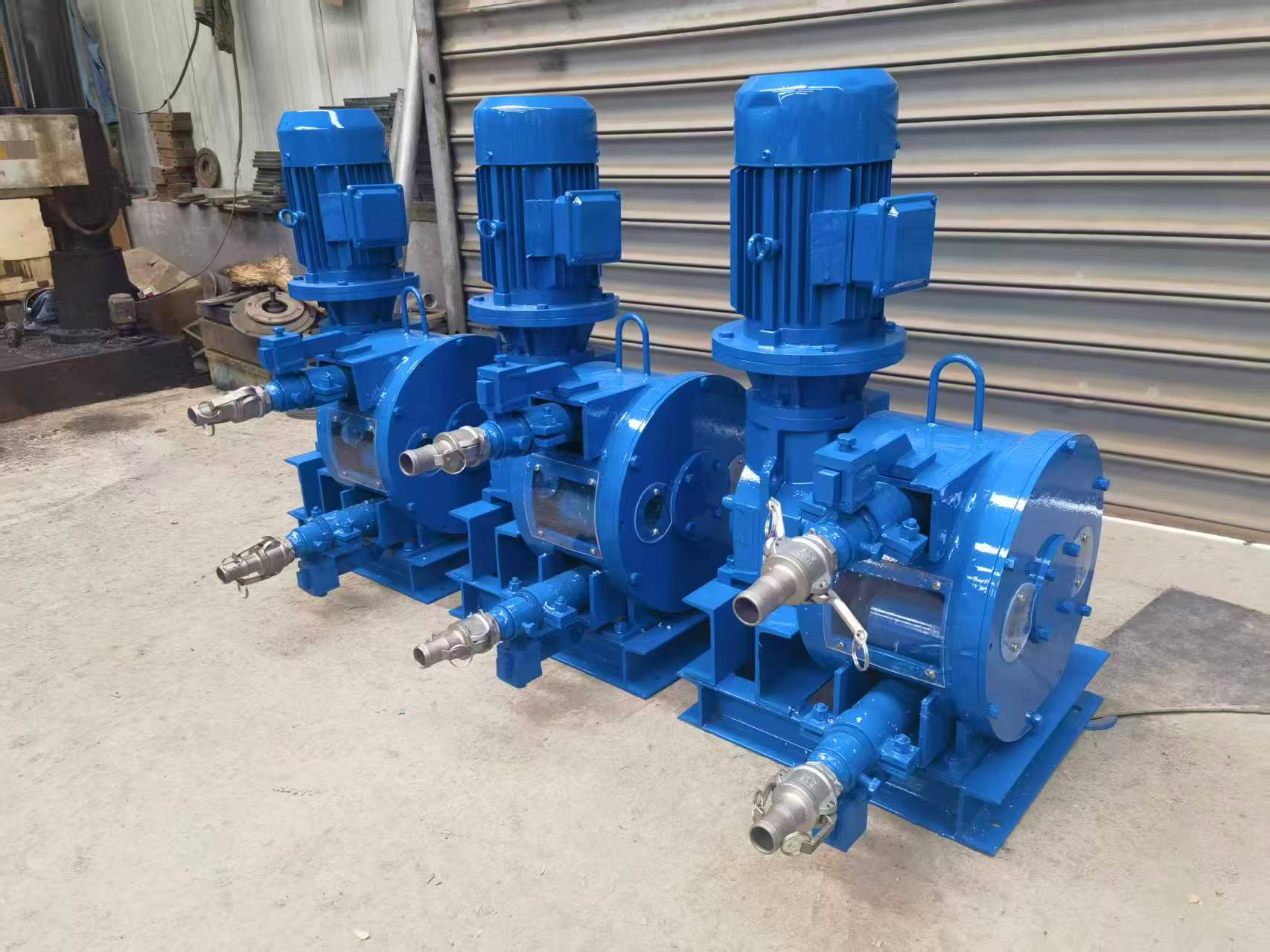
Need lightweight blocks? Enter the concrete foaming agent. Used in foam concrete or CLC (cellular lightweight concrete), foaming agents create airy, insulating structures. Protein-based or synthetic—there’s a foam agent for lightweight concrete for every budget.
Meanwhile, white cement isn’t just for Instagrammable countertops. White concrete mix is prized for architectural finishes, and when paired with colored concrete powder, it creates stunning stamped concrete colors—from charcoal to terra cotta.
Don’t forget the release agents! A good concrete form release agent (spray or oil) ensures your stamped patterns pop cleanly. No one wants a brickform liquid release fail mid-pour.
6. Choosing the Best Admixture for Concrete
There’s no one-size-fits-all ‘best admixture for concrete.’ It depends on your project. Hot weather? Go for an admixture retarder. Pouring a thin overlay? Superplasticizer in concrete is non-negotiable. Building a water tank? Crystalline waterproofing admixture for concrete seals the deal.
Brands like Chryso admixture lead the pack, but always check compatibility. Not all plasticizer admixture formulas play nice with every cement type.
7. Conclusion
Admixtures transform humble concrete into a high-tech marvel. From superplasticizer admixture magic to fiber reinforced polymer concrete toughness, these concrete additives solve real-world problems with chemistry, not compromise.
So next time you walk on a smooth plaza or admire a sleek concrete siding house, tip your hat to the invisible heroes: the ad mixtures working behind the scenes.
Our Website founded on October 17, 2012, is a high-tech enterprise committed to the research and development, production, processing, sales and technical services of ceramic relative materials such as Admixtures. Our products includes but not limited to Boron Carbide Ceramic Products, Boron Nitride Ceramic Products, Silicon Carbide Ceramic Products, Silicon Nitride Ceramic Products, Zirconium Dioxide Ceramic Products, etc. If you are interested, please feel free to contact us.