Professional solutions on concrete addtives, Concrete Foaming Agent, Superplasticizer, CLC Blocks Additives, and foaming machine

Unlock the Future of Concrete: How Advanced Admixtures Are Revolutionizing Fiber-Reinforced Siding
1. Introduction
Just 24 hours ago, CertainTeed announced a major expansion of its sustainable fibercement siding line, citing breakthroughs in concrete admixture technology as a key enabler. This move reflects a growing industry shift toward high-performance, eco-friendly building materials that mimic wood but outperform it in durability and maintenance. At the heart of this innovation? Sophisticated concrete admixtures engineered for niche applications like fiber-reinforced cementitious siding.
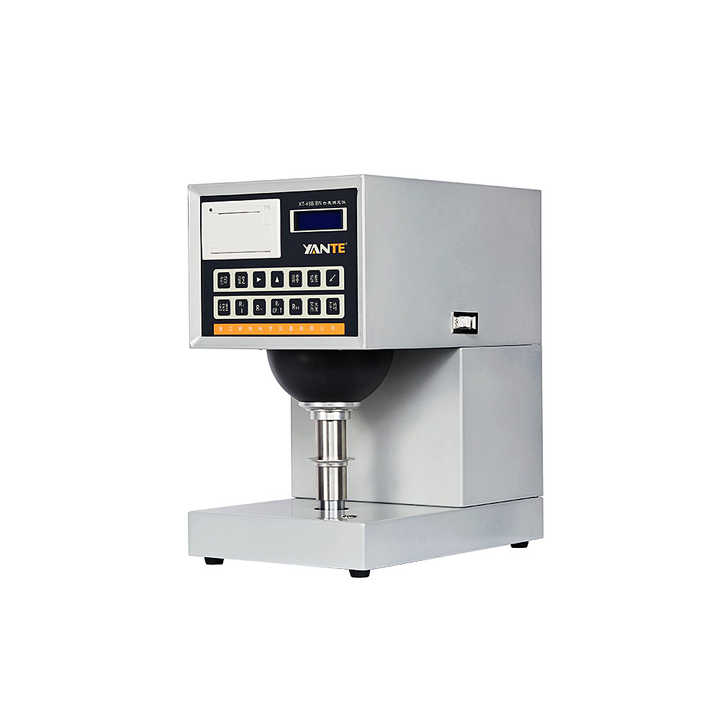
Fibercement siding—often called concrete fiber siding or cement house siding—is no longer your grandfather’s stucco panel. Today’s versions look stunningly like real wood, come in dozens of colors and textures, and last decades with minimal upkeep. But achieving that perfect blend of aesthetics, strength, and weather resistance isn’t possible without the right admixture cocktail. Let’s dive into how specific admixtures are making modern concrete siding smarter, stronger, and more sustainable.
2. Why Admixtures Matter in Fibercement Siding
Fibercement siding is a composite of Portland cement, sand, water, and cellulose or synthetic fibers. To be commercially viable, the mix must flow easily during manufacturing (for molding and extrusion), cure quickly, resist cracking, and repel water over time. That’s where concrete admixtures step in. Unlike standard structural concrete, siding demands ultra-fine control over rheology, surface finish, and long-term durability—requirements met only by precisely dosed chemical admixtures.
The best admixture for concrete in this context isn’t one single product but a synergistic blend: a high-range water reducer for fluidity, an air entraining agent for freeze-thaw resilience, a crystalline waterproofing admixture for moisture defense, and reinforcement fibers for tensile strength. Together, they transform a brittle cement paste into a flexible, resilient cladding material.
3. Superplasticizers: The Secret to Smooth, Detailed Finishes
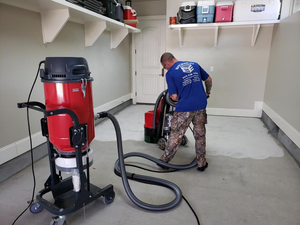
One of the biggest challenges in producing realistic wood-grain or textured concrete siding is achieving fine surface detail without compromising structural integrity. Enter superplasticizer admixtures—specifically polycarboxylate ether (PCE)-based superplasticizers. These high-range water reducing admixtures dramatically increase workability while cutting water content by up to 40%, enabling intricate mold replication without segregation or bleeding.
Unlike older naphthalene or melamine-based superplasticizers, modern PCE superplasticizers offer superior slump retention, crucial for continuous extrusion lines used by manufacturers like James Hardie and CertainTeed. The result? Consistent color, sharp embossing, and fewer production defects. When you see charcoal stamped concrete or terra cotta concrete color siding with crisp wood grain, thank the superplasticizer in concrete for making it possible.
4. Waterproofing and Durability: Beyond Surface Coatings
Traditional concrete siding relied on paint or sealants for waterproofing—but those wear off. Today’s advanced systems use integral waterproofers and crystalline waterproofing admixtures that react within the concrete matrix itself. These concrete waterproofing additives form insoluble crystals that block capillary pores, offering permanent protection from rain, humidity, and even hydrostatic pressure.
Admixture waterproofing solutions like cement waterproofing additive or concrete waterproof admix eliminate the need for frequent repainting, a major selling point for homeowners comparing concrete siding cost versus vinyl or wood. Combined with air entraining concrete technology—which introduces microscopic air bubbles to cushion against ice expansion—these admixtures ensure siding survives harsh winters and coastal salt spray alike.
5. Fiber Reinforcement: From Polypropylene to Coconut
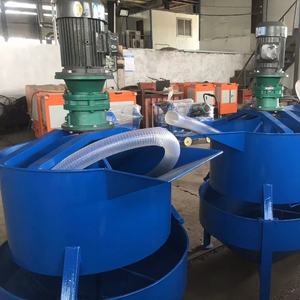
While steel fiber reinforced concrete dominates infrastructure projects, fibercement siding leans heavily on synthetic and natural microfibers. Polypropylene fibres for concrete (PP fiber concrete) are the industry standard, providing crack control during curing and impact resistance post-installation. But newer formulations experiment with coconut fiber reinforced concrete for added sustainability and unique texture.
These reinforcement fibers do more than prevent cracks—they allow thinner panels without sacrificing strength, reducing weight and shipping costs. Macro fibers and concrete microfiber blends also improve nail-holding capacity, critical for secure installation on homes. Whether it’s fiber for concrete mix from Home Depot or custom-engineered fiberfibers for concrete from specialty suppliers, the right fiber choice directly impacts performance and appearance.
6. Accelerators, Retarders, and Release Agents: Fine-Tuning Production
Speed matters in mass production. Fast curing concrete additives and accelerating admixtures for concrete shorten demold times, boosting throughput. Conversely, surface retarder concrete or admixture retarder types help control set time in hot climates or complex molds. Meanwhile, concrete release agents—especially water-based release agents and powder release agents—ensure clean demolding without surface blemishes, preserving the stamped concrete colors and patterns that define premium siding.
Even small tweaks, like using a tinted concrete release powder, can influence final hue consistency across thousands of panels. It’s this attention to chemical detail that lets brands offer gray stamped concrete, white stamped concrete, or even blue stamped concrete with uniform quality.
7. Conclusion
The humble concrete admixture has evolved from a basic workability aid into a precision engineering tool—especially in niche applications like modern concrete siding. By combining superplasticizer in concrete, waterproofing admixture for concrete, air entraining admixture, and advanced fibers, manufacturers create products that are beautiful, durable, and sustainable. As demand grows for low-maintenance, fire-resistant, and wood-look exteriors, expect even smarter admixture formulations to lead the charge in redefining what concrete can do.
Our Website founded on October 17, 2012, is a high-tech enterprise committed to the research and development, production, processing, sales and technical services of ceramic relative materials such as Unlock. Our products includes but not limited to Boron Carbide Ceramic Products, Boron Nitride Ceramic Products, Silicon Carbide Ceramic Products, Silicon Nitride Ceramic Products, Zirconium Dioxide Ceramic Products, etc. If you are interested, please feel free to contact us.