Professional solutions on concrete addtives, Concrete Foaming Agent, Superplasticizer, CLC Blocks Additives, and foaming machine

Which Superplasticizer Offers the Best Performance in Modern Concrete Admixtures?
1. Introduction
In a major development reported just hours ago, global construction chemical leader Chryso announced a breakthrough in low-carbon polycarboxylate ether (PCE) superplasticizer formulations designed to enhance early-strength development without compromising workability—a response to tightening sustainability regulations in the EU and North America. This innovation underscores the evolving role of admixtures in modern concrete technology.
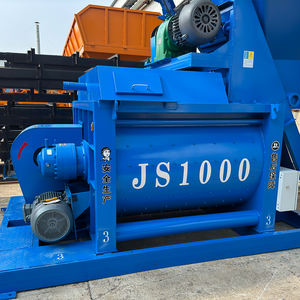
Concrete admixtures—also referred to as concrete additives or ad mixtures—are essential components that modify the properties of fresh or hardened concrete. From improving flowability to accelerating curing time or enhancing durability, the right admixture can dramatically influence structural performance and longevity. Among the most critical are superplasticizers, which fall under the broader category of water reducing admixtures.
2. Understanding Superplasticizers: The Core of High-Performance Concrete
Superplasticizers, or high-range water reducers, are chemical admixtures that significantly reduce the water content required to achieve a target slump, thereby increasing strength and durability. Two dominant chemistries dominate the market: naphthalene-based superplasticizers and polycarboxylate ether (PCE)-based superplasticizers.
Naphthalene sulfonate formaldehyde condensates (SNF) have been widely used for decades. They offer strong initial dispersion and are cost-effective, making them popular in precast and ready-mix applications. However, they exhibit rapid slump loss over time and limited compatibility with certain cements.
In contrast, PCE-based superplasticizers represent the latest generation of concrete chemicals. Their comb-like molecular structure provides superior steric hindrance, resulting in excellent slump retention, lower dosage requirements, and greater adaptability to diverse cement types—including those with high supplementary cementitious materials.
- Naphthalene-based: Higher slump loss, moderate cost, good early strength
- PCE-based: Excellent workability retention, eco-friendlier, higher initial cost but better long-term value
3. Comparing Key Admixture Types Beyond Superplasticizers
While superplasticizers address workability and strength, other admixture types fulfill distinct roles. Understanding these categories is crucial when selecting the best admixture for concrete.
Concrete accelerators shorten setting time and boost early strength—ideal for cold-weather concreting or fast-track projects. Conversely, concrete retarder admixtures delay hydration, useful in hot climates or for long-haul deliveries. Surface retarder concrete products allow decorative exposed-aggregate finishes.
Air entraining admixtures introduce microscopic air bubbles that improve freeze-thaw resistance. These air entraining agents are vital in regions with harsh winters and are often specified in air entraining concrete mixes for pavements and bridges.
Waterproofing admixtures—such as integral waterproofer, crystalline waterproofing admixture, and cement waterproofing additive—enhance impermeability. Crystalline systems react with moisture to form insoluble crystals that block capillary pores, offering permanent protection without surface coatings.
4. The Role of Fibers and Specialty Additives
Fiber reinforcement has transformed concrete from a brittle material into a more ductile composite. Fibers for concrete include polypropylene fibres for concrete (microfibers that control plastic shrinkage cracks) and macro fibers like steel fibers for concrete or carbon fiber reinforcement in concrete for structural toughness.
Fiber reinforced concrete is now standard in industrial floors, tunnel linings, and seismic-resistant structures. Products like fibermesh concrete integrate synthetic or steel fibers directly into the mix, eliminating secondary reinforcement in some applications.
Additionally, foaming agents for foam concrete—especially protein-based and synthetic variants—enable lightweight cellular concrete (CLC) production. These concrete foaming agents create stable air voids, reducing density while maintaining thermal insulation properties.
5. Practical Selection Criteria for Contractors and Engineers
Choosing the right admixture depends on multiple factors: environmental conditions, structural requirements, delivery logistics, and sustainability goals. For high-strength, self-consolidating concrete, PCE superplasticizer admixture is unmatched. For budget-sensitive municipal projects, SNF or melamine-based superplasticizers may suffice.
When waterproofing is critical, a crystalline waterproofing admixture offers long-term reliability over topical sealers. In decorative applications, release agents—like powder release agent for concrete or water-based release sprays—ensure clean pattern transfer in stamped concrete without staining.
For residential exteriors, concrete siding options such as Hardie concrete siding or CertainTeed concrete siding leverage fiber-cement composites that mimic wood grain while resisting rot and fire—showcasing how admixtures enable aesthetic versatility alongside performance.
6. Conclusion
The landscape of concrete admixtures continues to evolve, driven by demands for sustainability, durability, and efficiency. While traditional naphthalene-based water reducers still serve niche markets, polycarboxylate ether superplasticizers represent the future of high-performance concrete. Coupled with innovations in waterproofing admixture, air entraining cement technologies, and advanced fiber reinforcement, today’s admixture types empower builders to meet complex challenges with precision. Selecting the best admixture for concrete requires balancing chemistry, cost, and context—but with informed choices, optimal outcomes are within reach.
Our Website founded on October 17, 2012, is a high-tech enterprise committed to the research and development, production, processing, sales and technical services of ceramic relative materials such as Which. Our products includes but not limited to Boron Carbide Ceramic Products, Boron Nitride Ceramic Products, Silicon Carbide Ceramic Products, Silicon Nitride Ceramic Products, Zirconium Dioxide Ceramic Products, etc. If you are interested, please feel free to contact us.