Professional solutions on concrete addtives, Concrete Foaming Agent, Superplasticizer, CLC Blocks Additives, and foaming machine

10 Must-Know Facts About Admixtures That’ll Make Your Concrete Smarter (and Funnier)
1. Introduction
Just 24 hours ago, the global construction world buzzed with news that a major European lab unveiled a self-healing concrete using bio-based admixtures that activate upon crack formation—essentially giving concrete its own immune system. While your sidewalk probably won’t diagnose itself anytime soon, it highlights just how vital—and wildly innovative—admixtures have become.
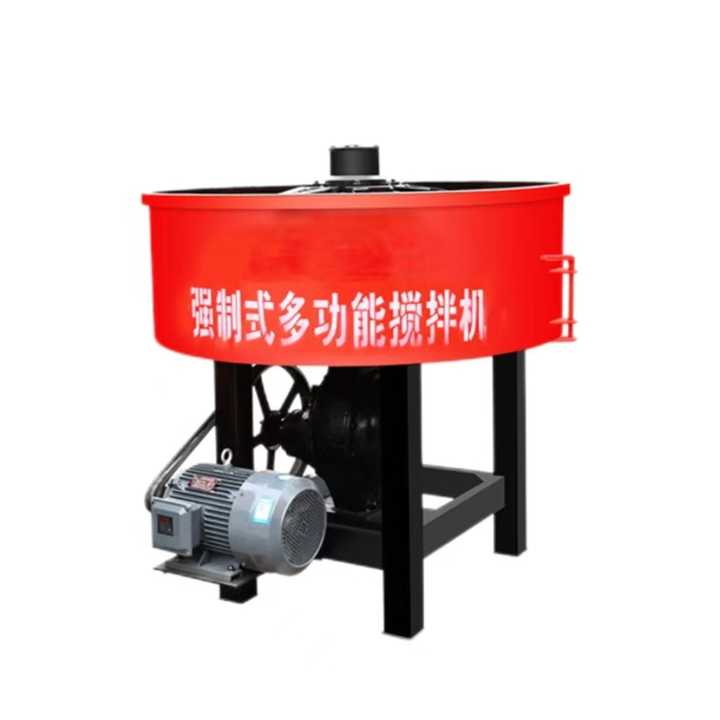
Forget plain old cement soup. Today’s concrete is a high-performance cocktail of science, engineering, and a dash of magic. Enter admixtures: the unsung heroes that transform dull gray sludge into everything from ultra-strong skyscraper cores to waterproof basement walls and even wood-look siding. Let’s break down what makes these concrete additives so indispensable—with a side of humor, because who said civil engineering can’t be fun?
2. What Exactly Are Admixtures?
Admixtures (sometimes misspelled as ‘ad mixtures’—we’ve all been there) are chemical or mineral ingredients added to concrete before or during mixing to modify its properties. Think of them as the secret sauce in your grandma’s stew—except this stew holds up bridges.
- They can speed up or slow down curing time
- Boost strength or add flexibility
- Make concrete waterproof or air-entrained
- Even give it color or help it flow like silk
From plasticizer for concrete to crystalline waterproofing admixture, there’s an admixture for nearly every job.
3. The Big Families: Concrete Admixture Types
3.1 Water-Reducing Admixtures (Including Superplasticizers)
If concrete were a smoothie, water-reducing admixtures would be the blender that makes it silky without adding extra liquid. These include mid-range and high-range water reducers, with superplasticizers leading the pack.
Superplasticizer in concrete—often polycarboxylate ether (PCE)-based—is the MVP for creating high-strength, low-water mixes. Whether it’s PCE superplasticizer, naphthalene-based, or melamine sulfonate, these super plasticizers dramatically improve workability without compromising integrity. And yes, ‘superplasticizer’ and ‘super plasticizer’ refer to the same thing—blame autocorrect.
3.2 Set-Modifying Admixtures: Accelerators & Retarders
Need your concrete to cure faster? Throw in a concrete accelerator. Hosting a backyard BBQ tomorrow and poured a patio today? A concrete retarder might save your party.
Concrete accelerator curing time can be slashed by hours, while admixture retarder options (like surface retarder concrete) delay setting for complex pours or hot climates. Both fall under accelerating admixtures for concrete or concrete retarder admixture categories.
3.3 Air-Entraining Admixtures
Ever wonder how roads survive freeze-thaw cycles? Thank air entraining concrete technology. Air entraining admixture introduces microscopic air bubbles that act like tiny shock absorbers when water freezes inside the mix.
These air entraining agents create air entraining cement that’s more durable in cold regions. Don’t confuse this with foam—it’s not about lightness, but resilience.
3.4 Waterproofing Admixtures
Leaky basements? Not on our watch. Waterproofing admixture for concrete comes in many forms: integral waterproofer, cement waterproofing additive, or crystalline waterproofing admixture that grows crystals to block moisture pathways.
Brands like Chryso admixture offer advanced solutions, and terms like concrete waterproof admix or admixture waterproofing all point to the same goal: keeping H2O out where it doesn’t belong.
4. Fiber Reinforcement: Beyond Steel Rebar
Fiber reinforced concrete is having a moment—and not just because it sounds cool. Adding fibers (polypropylene, steel, carbon, or even coconut!) creates concrete with fiber reinforcement that resists cracking and improves toughness.
From polypropylene fibres for concrete in driveways to steel fibers for concrete in industrial floors, fiberfor concrete mix options abound. You’ll see terms like fibermesh concrete, macro fibers, or pp fiber concrete—all describing ways to make concrete less brittle.
And yes, concrete fiber siding (also called fibercement siding or fiber concrete siding) uses these principles to mimic wood grain while resisting rot. Hardie concrete siding and Certainteed concrete siding dominate this space, offering concrete siding that looks like wood without the maintenance headache.
5. Specialty Additives: Color, Foam, and Release
5.1 Colored and Stamped Concrete
Who says concrete has to be boring gray? Colored concrete uses tinted concrete powder or concrete stain powder to achieve hues from charcoal stamped concrete to terra cotta concrete color. Stamped concrete colors and patterns let you mimic stone, brick, or even cobblestone—perfect for patios and pool decks.
Don’t forget the concrete release agent! Powder release agent for concrete or spray release agent ensures your stamp doesn’t stick. Brands like Brickform liquid release keep those intricate patterns crisp.
5.2 Foaming Agents for Lightweight Concrete
Foam concrete lovers, rejoice! Concrete foaming agent (protein-based or synthetic) creates cellular concrete used in CLC blocks or insulation panels. Terms like CLC foaming agent, aircrete foaming agent, or foam agent for lightweight concrete all describe this airy innovation.
Best foaming agent for aircrete? Depends on density needs—but avoid DIY ‘homemade foaming agent for concrete’ unless you enjoy unpredictable collapses.
6. Choosing the Best Admixture for Concrete
With so many concrete chemicals out there—from white cement (great for countertops!) to fast curing concrete additives—it’s easy to feel overwhelmed. Ask yourself: What’s the job? Strength? Speed? Waterproofing? Aesthetics?
For general use, a polycarboxylate-based superplasticizer admixture offers excellent flow and strength. For wet environments, go crystalline waterproofing admixture. Need crack resistance? Polypropylene fibre or steel fiber reinforced concrete is your friend.
7. Conclusion
Admixtures aren’t just optional extras—they’re essential tools that turn basic concrete into a tailored, high-performance material. Whether you’re using a concrete water reducer, air entraining agent, or concrete additives fiber, understanding admixture types empowers smarter builds. So next time someone calls concrete ‘just dirt and water,’ hand them this list—and maybe a sample of coconut fiber reinforced concrete for good measure.
Our Website founded on October 17, 2012, is a high-tech enterprise committed to the research and development, production, processing, sales and technical services of ceramic relative materials such as 10. Our products includes but not limited to Boron Carbide Ceramic Products, Boron Nitride Ceramic Products, Silicon Carbide Ceramic Products, Silicon Nitride Ceramic Products, Zirconium Dioxide Ceramic Products, etc. If you are interested, please feel free to contact us.