Professional solutions on concrete addtives, Concrete Foaming Agent, Superplasticizer, CLC Blocks Additives, and foaming machine

Choose the Right Admixtures for High-Performance Concrete
1. Introduction
Just 24 hours ago, a major infrastructure project in Texas announced it would use advanced polycarboxylate-based superplasticizers to achieve ultra-high-strength, self-consolidating concrete for bridge piers—highlighting how critical admixtures are in today’s construction. As demands for durability, sustainability, and efficiency grow, understanding concrete admixtures is no longer optional—it’s essential.
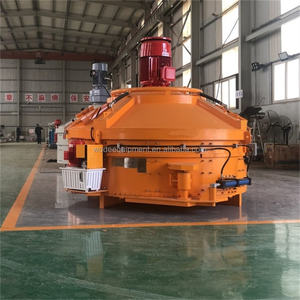
Admixtures—also called concrete additives or chemical admixtures for concrete—are materials added to concrete before or during mixing to modify its properties. From improving workability to accelerating curing or enhancing waterproofing, the right admixture can transform ordinary concrete into a high-performance material.
2. Superplasticizers: The Game-Changer in Modern Concrete
Superplasticizers (or high-range water reducers) are among the most widely used concrete chemicals today. They dramatically reduce water content while maintaining flowability—boosting strength and durability without sacrificing workability.
Two dominant types dominate the market: naphthalene-based superplasticizers and polycarboxylate ether (PCE) superplasticizers.
- Naphthalene sulfonate formaldehyde (SNF) superplasticizers offer strong water reduction (15–25%) and are cost-effective, but they suffer from faster slump loss and aren’t ideal for long-haul deliveries.
- Polycarboxylate ether (PCE) superplasticizers provide superior performance: up to 40% water reduction, excellent slump retention, and compatibility with supplementary cementitious materials. They’re the go-to for high-performance and self-compacting concrete.
While PCE-based superplasticizer admixtures cost more, their efficiency often justifies the price—especially when you need fast curing concrete additives or precise control over rheology.
3. Air Entraining Admixtures: Boosting Freeze-Thaw Resistance
In cold climates, air entraining concrete is non-negotiable. Air entraining admixtures introduce microscopic air bubbles that act as pressure relief valves during freeze-thaw cycles.
These air entraining agents—often based on vinsol resin or synthetic surfactants—improve durability without significantly reducing strength if dosed correctly. However, overuse can weaken the mix, so precision matters.
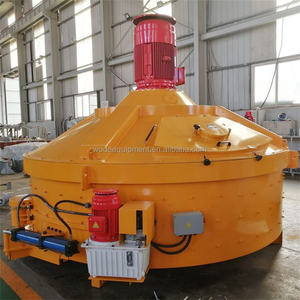
Air entraining cement isn’t a separate product; it’s standard Portland cement used with an air entraining concrete additive. Always test your mix design to balance air content (typically 4–7%) and compressive strength.
4. Waterproofing Admixtures: Integral Protection from Within
Forget surface sealers—integral waterproofers work from the inside out. These concrete waterproofing additives include crystalline waterproofing admixtures and hydrophobic pore blockers.
Crystalline waterproofing admixture reacts with moisture and unhydrated cement particles to form insoluble crystals that block capillaries. It’s self-healing and permanent—ideal for basements, tunnels, and water tanks.
Other options like cement waterproofing additives or waterproof admix based on stearates offer good resistance but may not perform as well under hydrostatic pressure. For above-grade applications, some builders prefer surface-applied systems, but integral solutions eliminate maintenance headaches.
5. Setting Time Modifiers: Accelerators vs. Retarders
Concrete accelerator and concrete retarder admixtures give you control over curing time—a crucial factor in scheduling and weather adaptation.
Accelerating admixtures for concrete (like calcium chloride or non-chloride alternatives) shorten setting time and boost early strength—perfect for cold-weather pours or fast-track projects. But beware: chlorides can corrode rebar, so non-corrosive options are preferred in reinforced concrete.
On the flip side, concrete retarder admixtures delay hydration, useful in hot weather or for large continuous pours. Surface retarder concrete products even allow decorative exposure of aggregates by slowing the top layer’s set.
6. Fiber Reinforcement: Beyond Steel Rebar
Fibers for concrete—polypropylene, steel, or even coconut fiber—are increasingly used as secondary reinforcement. They control plastic shrinkage cracks and improve impact resistance.
Polypropylene fibres for concrete (PP fiber concrete) are popular in slabs and pavements. Steel fibers for concrete enhance post-crack ductility—critical in industrial floors and seismic zones.
Macro fibers and microfibers serve different roles: microfibers tackle early-age cracking, while macro fibers contribute to structural toughness. Though not a replacement for primary rebar, fiber reinforced concrete reduces maintenance and extends service life.
Note: Concrete fiber siding (like Hardie or CertainTeed products) uses cellulose or synthetic fibers in fiber cement panels—but that’s a precast application, not a cast-in-place admixture.
7. Choosing the Best Admixture for Concrete
There’s no universal ‘best admixture for concrete’—it depends on your project’s needs. Ask:
- Do you need high flow with low water? → Go for a PCE superplasticizer.
- Working in sub-zero temps? → Use air entraining admixture + non-chloride concrete accelerator.
- Building a water-retaining structure? → Specify crystalline waterproofing admixture.
- Pouring a large slab in summer heat? → Combine mid-range water reducer with concrete retarder admixture.
Always consult technical data sheets (sometimes called bio data sheets in error) and conduct trial batches. Brands like Chryso admixture offer tailored solutions, but generic chemical admixtures can also deliver excellent results when properly selected.
8. Conclusion
From superplasticizer in concrete to fiberfor concrete mixes and integral waterproofers, modern admixtures empower engineers to push the limits of what concrete can do. By understanding admixture types—from mineral admixture to synthetic foaming agents—you’ll optimize performance, cut costs, and build smarter. Whether you’re sourcing from Home Depot or specialty suppliers, match the admixture to the mission, not the marketing.
Our Website founded on October 17, 2012, is a high-tech enterprise committed to the research and development, production, processing, sales and technical services of ceramic relative materials such as Choose. Our products includes but not limited to Boron Carbide Ceramic Products, Boron Nitride Ceramic Products, Silicon Carbide Ceramic Products, Silicon Nitride Ceramic Products, Zirconium Dioxide Ceramic Products, etc. If you are interested, please feel free to contact us.