Professional solutions on concrete addtives, Concrete Foaming Agent, Superplasticizer, CLC Blocks Additives, and foaming machine

10 Essential Types of Admixtures Every Concrete Pro Should Know in 2024
1. Introduction
Just 24 hours ago, the U.S. Department of Transportation released updated guidelines urging contractors to adopt high-performance concrete admixtures in federal infrastructure projects to improve durability and reduce carbon footprint. This move puts admixtures front and center in modern construction—and for good reason.
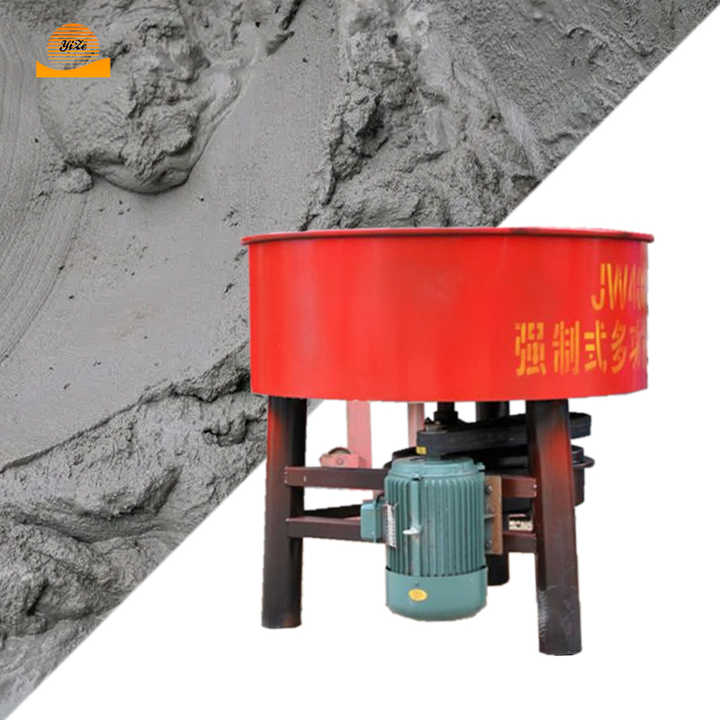
Whether you’re pouring a driveway, building a skyscraper, or crafting decorative stamped concrete, admixtures can transform your mix. But with so many options—from superplasticizer to air entraining concrete—it’s easy to get overwhelmed. Let’s break down the essentials.
2. What Are Admixtures?
Admixtures are chemical or mineral ingredients added to concrete before or during mixing to modify its properties. Also called concrete additives or cement admixtures, they enhance workability, strength, curing time, and resistance to weather or chemicals.
Modern concrete rarely goes without some form of admixture. In fact, over 80% of commercial concrete today includes at least one type of admixture used in concrete to meet performance specs.
3. Water-Reducing Admixtures
These are among the most common concrete chemicals. Water reducing admixtures lower the water content needed for a given slump, boosting strength without sacrificing workability.
- Concrete water reducer types include mid-range and high-range (like superplasticizers).
- A standard water reducer might cut water by 5–10%, while a superplasticizer in concrete can reduce it by 30% or more.
Superplasticizers—often polycarboxylate ether (PCE)-based—are the gold standard. Known as super plasticizers or superplasticizer admixture, they’re essential for high-strength, self-consolidating, or fast-curing concrete additives.
4. Superplasticizers: The Game-Changer
Superplasticizer admixture for concrete delivers incredible flow without extra water. That means stronger, denser, and more durable structures.
Polycarboxylate superplasticizer (PCE) is now preferred over older naphthalene or melamine-based versions due to better slump retention and eco-friendliness. You’ll see it labeled as PCE superplasticizer, polycarboxylate ether superplasticizer, or simply cement superplasticizer.
Contractors often ask: what’s the best superplasticizer for concrete? It depends on your mix design—but PCE-based products like those from Chryso admixture lines dominate the market for good reason.
5. Set Modifiers: Accelerators and Retarders
Need concrete to cure faster? Use a concrete accelerator. These accelerating admixtures for concrete shorten setting time—ideal for cold weather or tight deadlines. They directly impact concrete accelerator curing time.
On the flip side, a concrete retarder (or admixture retarder) delays hardening. Surface retarder concrete is especially useful for exposed-aggregate finishes.
Both fall under chemical admixture for concrete and are chosen based on climate, project schedule, and finish requirements.
6. Air Entraining Admixtures
Air entraining concrete contains microscopic air bubbles that improve freeze-thaw resistance. This is critical in colder climates.
An air entraining admixture (or air entraining agent) creates these bubbles during mixing. Don’t confuse it with a foaming agent—air entraining is about durability, not lightweight structure.
Look for terms like air entraining cement or air entraining when specifying mixes for bridges, roads, or outdoor slabs.
7. Waterproofing Admixtures
From basements to rooftops, keeping water out matters. Waterproofing admixture for concrete includes integral waterproofer, crystalline waterproofing admixture, and cement waterproofing additive.
These concrete waterproofing additives react internally to block capillary pores. Unlike surface sealers, they provide long-term protection throughout the slab.
Popular options include concrete waterproof admix and admixture waterproofing systems that meet ASTM standards for below-grade use.
8. Fiber Reinforcement
Fibers for concrete add tensile strength, reduce cracking, and improve impact resistance. Common types include polypropylene fibre, steel fibers for concrete, and even coconut fiber reinforced concrete for sustainable builds.
Fiber reinforced concrete is used in everything from industrial floors to concrete siding. Speaking of which—modern concrete siding like Hardie or CertainTeed often uses fiberfor concrete mix to mimic wood grain while resisting rot and fire.
Macro fibers, microfibers, and pp fiber concrete all serve different purposes. For residential projects, polypropylene fibres for concrete offer great crack control at low cost.
9. Specialty Additives: Color, Release, and Foam
Want colored concrete? Powder concrete colorants and stamped concrete colors let you customize patios, driveways, and walls. Gray, charcoal, terra cotta, or white stamped concrete—all are possible with tinted concrete systems.
Concrete release agents (spray, oil, or powder) prevent sticking during stamping. Look for water-based release agent or mold release spray that also adds subtle color.
For lightweight builds, a concrete foaming agent creates foam concrete or CLC blocks. Protein-based or synthetic foaming agents produce cellular concrete used in insulation and precast panels.
10. Choosing the Best Admixture for Your Project
There’s no single ‘best admixture for concrete’—it depends on your goals. Need flow? Go superplasticizer. Worried about winter? Add air entraining. Cracking issues? Try fiber reinforcement.
Always consult technical data sheets and consider compatibility. Brands like Chryso, Sika, and GCP offer tailored solutions, including white cement blends for countertops or decorative work.
11. Conclusion
Admixtures aren’t just optional extras—they’re essential tools that make modern concrete smarter, stronger, and more versatile. Whether you’re using a simple concrete water reducer or advanced crystalline waterproofing admixture, understanding admixture types ensures better results every time.
As infrastructure demands grow and sustainability becomes non-negotiable, mastering these concrete chemicals will keep you ahead of the curve.
Our Website founded on October 17, 2012, is a high-tech enterprise committed to the research and development, production, processing, sales and technical services of ceramic relative materials such as 10. Our products includes but not limited to Boron Carbide Ceramic Products, Boron Nitride Ceramic Products, Silicon Carbide Ceramic Products, Silicon Nitride Ceramic Products, Zirconium Dioxide Ceramic Products, etc. If you are interested, please feel free to contact us.