Professional solutions on concrete addtives, Concrete Foaming Agent, Superplasticizer, CLC Blocks Additives, and foaming machine

What Are the Best Admixtures for Concrete, and How Do They Compare?
1. Introduction
Ever wonder why some concrete pours flow like silk while others set in record time—or resist water like a fortress? The secret lies in admixtures. These concrete additives fine-tune performance, durability, and workability far beyond what plain cement can offer.
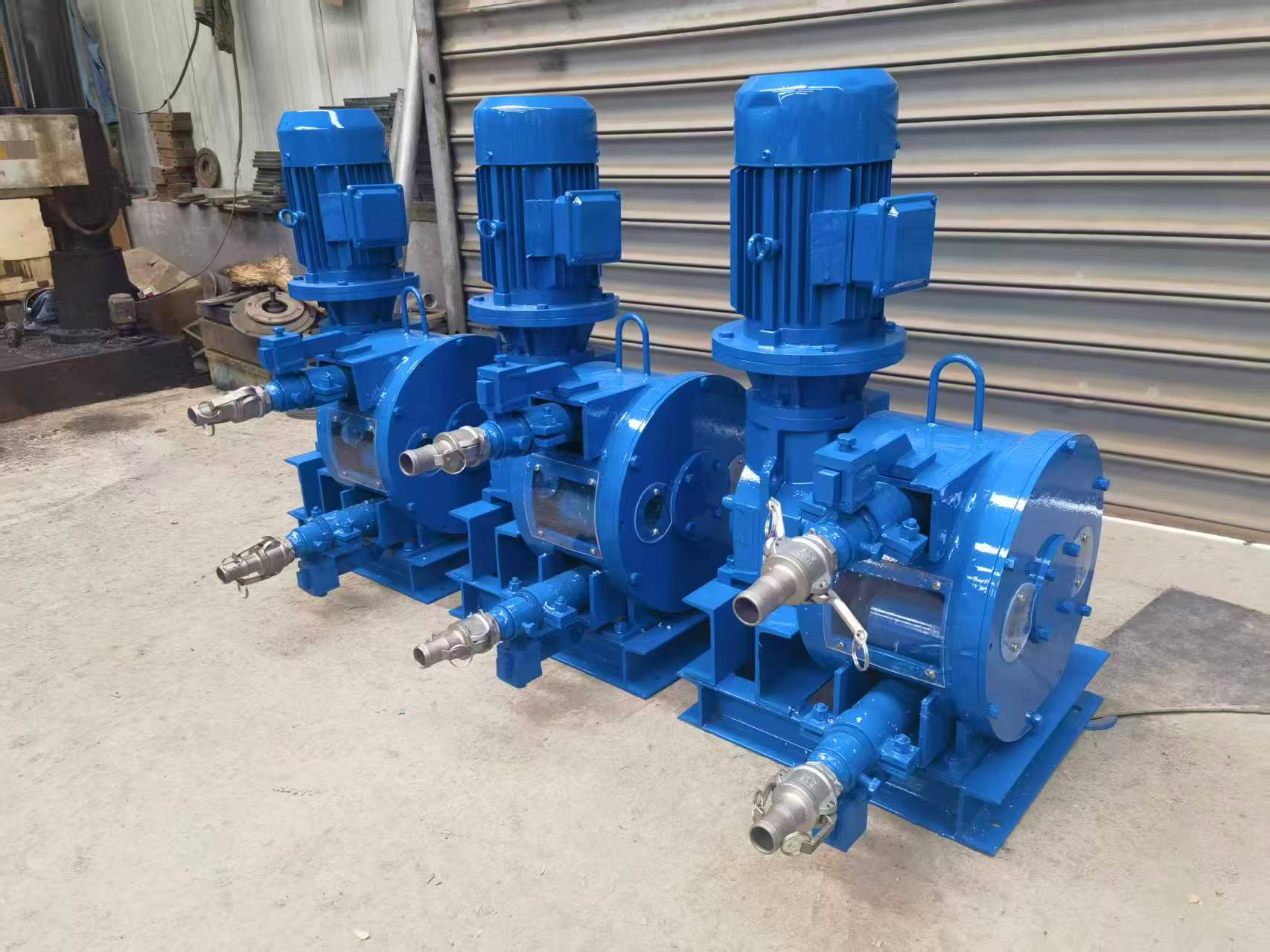
From skyscrapers to backyard patios, modern construction relies heavily on chemical and mineral admixtures. But with so many options—superplasticizers, accelerators, waterproofers, fibers—it’s easy to get overwhelmed. So, which is the best admixture for concrete? Let’s break it down.
2. Superplasticizers: The Flow Masters
Superplasticizers (also called high-range water reducers) are among the most widely used concrete admixtures today. They dramatically increase workability without adding extra water—critical for high-strength or self-consolidating concrete.
Two dominant types dominate the market: naphthalene-based superplasticizers and polycarboxylate ether (PCE)-based superplasticizers.
- Naphthalene sulfonate formaldehyde (SNF) superplasticizers are cost-effective and reliable but offer shorter slump retention.
- Polycarboxylate ether (PCE) superplasticizers provide superior flow, longer workability, and lower dosage requirements—making them ideal for complex pours and precast applications.
Both fall under ‘water reducing admixtures,’ but PCE-based products are increasingly preferred for green building due to lower environmental impact and better compatibility with modern cements.
3. Accelerators vs. Retarders: Controlling Cure Time
Timing is everything in concrete work. That’s where accelerating admixtures for concrete and concrete retarder admixtures come in.
Concrete accelerators shorten setting time and boost early strength—perfect for cold weather or fast-track projects. Calcium chloride is common but can corrode steel; non-chloride alternatives are safer for reinforced structures.
On the flip side, concrete retarder admixtures delay hydration, useful in hot climates or for long hauls. Surface retarder concrete products even allow decorative stamping by keeping the surface soft while the core sets.
Choosing between them depends on ambient conditions, formwork schedule, and whether you’re pouring a driveway or a dam.
4. Air Entraining Admixtures: Freeze-Thaw Fighters
Air entraining concrete contains billions of microscopic bubbles that act as pressure relief valves during freeze-thaw cycles. This is achieved using air entraining admixtures—chemicals like vinsol resin or synthetic detergents.
These admixtures improve durability in cold regions but slightly reduce compressive strength. Still, the trade-off is worth it for roads, bridges, and outdoor slabs exposed to winter weather.
Don’t confuse them with foaming agents for foam concrete—those create macro-pores for lightweight blocks, not micro-bubbles for durability.
5. Waterproofing Admixtures: Keeping Moisture Out
Waterproofing admixture for concrete comes in several forms: integral waterproofers, crystalline systems, and hydrophobic additives.
Integral waterproofer admixtures react with cement to block capillaries, while crystalline waterproofing admixture grows needle-like crystals that seal cracks over time. Both are mixed directly into the batch—no surface coating needed.
Cement waterproofing additive options like silanes or stearates repel water at the molecular level. For basements or water tanks, these concrete waterproof admix solutions outperform topical sealers by protecting from within.
6. Fiber Reinforcement: Beyond Steel Rebar
Fibers for concrete aren’t just filler—they enhance toughness, reduce cracking, and improve impact resistance. Common types include polypropylene fibres for concrete, steel fibers for concrete, and even coconut fiber reinforced concrete for sustainable builds.
Polypropylene fibre (PP fiber concrete) controls plastic shrinkage cracks and is easy to mix. Steel fiber reinforced concrete boosts post-crack load capacity—ideal for industrial floors.
Macro fibers and microfibers serve different roles: microfibers prevent early-age cracking; macro fibers act as secondary reinforcement. Fiber reinforced concrete is now standard in shotcrete, overlays, and seismic zones.
Note: Concrete fiber siding (like Hardie or CertainTeed products) uses cellulose or synthetic fibers in cement boards—but that’s a finished product, not a mix-in admixture.
7. Specialty Additives: From Color to Foam
Beyond performance, admixtures also enable aesthetics and lightweight designs.
Colored concrete uses pigments mixed as powder concrete additives, while stamped concrete colors rely on release agents—spray or powder—that prevent sticking and add accent hues.
For insulation or void filling, foaming agent for foam concrete (like protein-based or synthetic CLC foaming agents) creates cellular concrete. These are entirely different from structural admixtures but equally vital in niche applications.
White cement, often paired with superplasticizer for flow control, enables bright countertops and architectural finishes—but requires careful handling to avoid staining.
8. Choosing the Right Admixture
There’s no single ‘best’ concrete admixture. The right choice depends on your goals:
- Need high flow with low water? Go for PCE superplasticizer.
- Pouring in Alaska in January? Use a non-chloride concrete accelerator.
- Building a reservoir? Crystalline waterproofing admixture is your ally.
- Worried about shrinkage cracks? Add polypropylene fibres for concrete.
Always check compatibility with your cement type, aggregates, and other concrete chemicals. Brands like Chryso offer tailored solutions, but generic admixture types work well when properly dosed.
9. Conclusion
Admixtures transform ordinary concrete into a precision-engineered material. Whether you’re optimizing workability with superplasticizer in concrete, boosting freeze resistance with air entraining agent, or enhancing durability with fiber reinforcement, the right admixture used in concrete makes all the difference.
Understanding admixture types—and how they interact—empowers you to build smarter, faster, and longer-lasting structures. So next time you spec a mix, don’t just pour cement: engineer it.
Our Website founded on October 17, 2012, is a high-tech enterprise committed to the research and development, production, processing, sales and technical services of ceramic relative materials such as What. Our products includes but not limited to Boron Carbide Ceramic Products, Boron Nitride Ceramic Products, Silicon Carbide Ceramic Products, Silicon Nitride Ceramic Products, Zirconium Dioxide Ceramic Products, etc. If you are interested, please feel free to contact us.