Professional solutions on concrete addtives, Concrete Foaming Agent, Superplasticizer, CLC Blocks Additives, and foaming machine

10 Essential Types of Admixtures Every Concrete Pro Should Know
1. Introduction
Ever wonder how skyscrapers stay strong or sidewalks resist cracking through harsh winters? The secret often lies not just in cement and aggregate—but in admixtures. These concrete additives fine-tune everything from setting time to freeze-thaw resistance.
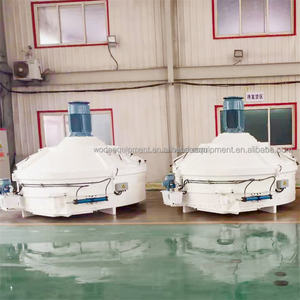
Admixtures are chemical or mineral ingredients added to concrete before or during mixing to modify its properties. Whether you’re pouring a driveway or building a bridge, choosing the right admixture can make all the difference in strength, finish, and longevity.
2. What Are Admixtures?
Admixtures—sometimes called ad mixtures—are materials other than water, cement, and aggregates that are added to concrete to improve its characteristics. They come in liquid, powder, or fiber form and are dosed precisely based on project needs.
The use of admixtures has grown massively in modern construction. From high-rise buildings to backyard patios, concrete chemicals help achieve better performance with less waste and lower costs.
3. Superplasticizers: The Game-Changer for Workability
Superplasticizers (also known as high-range water reducers) are among the most widely used concrete admixtures today. They dramatically increase workability without adding extra water—which would weaken the mix.
Commonly made from polycarboxylate ether (PCE), naphthalene, or melamine sulfonates, superplasticizer admixtures allow for self-consolidating or high-strength concrete. You’ll often see terms like ‘superplasticizer in concrete’ or ‘best superplasticizer for concrete’ when contractors seek flow without segregation.
- Polycarboxylate-based superplasticizers offer superior slump retention
- Naphthalene and melamine types are cost-effective for standard applications
- Ideal for pumping, thin sections, or complex formwork
4. Water Reducers and Plasticizers
Water reducing admixtures—including mid-range and conventional plasticizers—lower the water-cement ratio while maintaining workability. This boosts strength and durability.
A plasticizer for concrete (or concrete plasticiser) is perfect when you need slightly improved flow without the extreme fluidity of superplasticizers. These are often labeled as concrete water reducers or cement water reducers.
5. Accelerators and Retarders: Controlling Cure Time
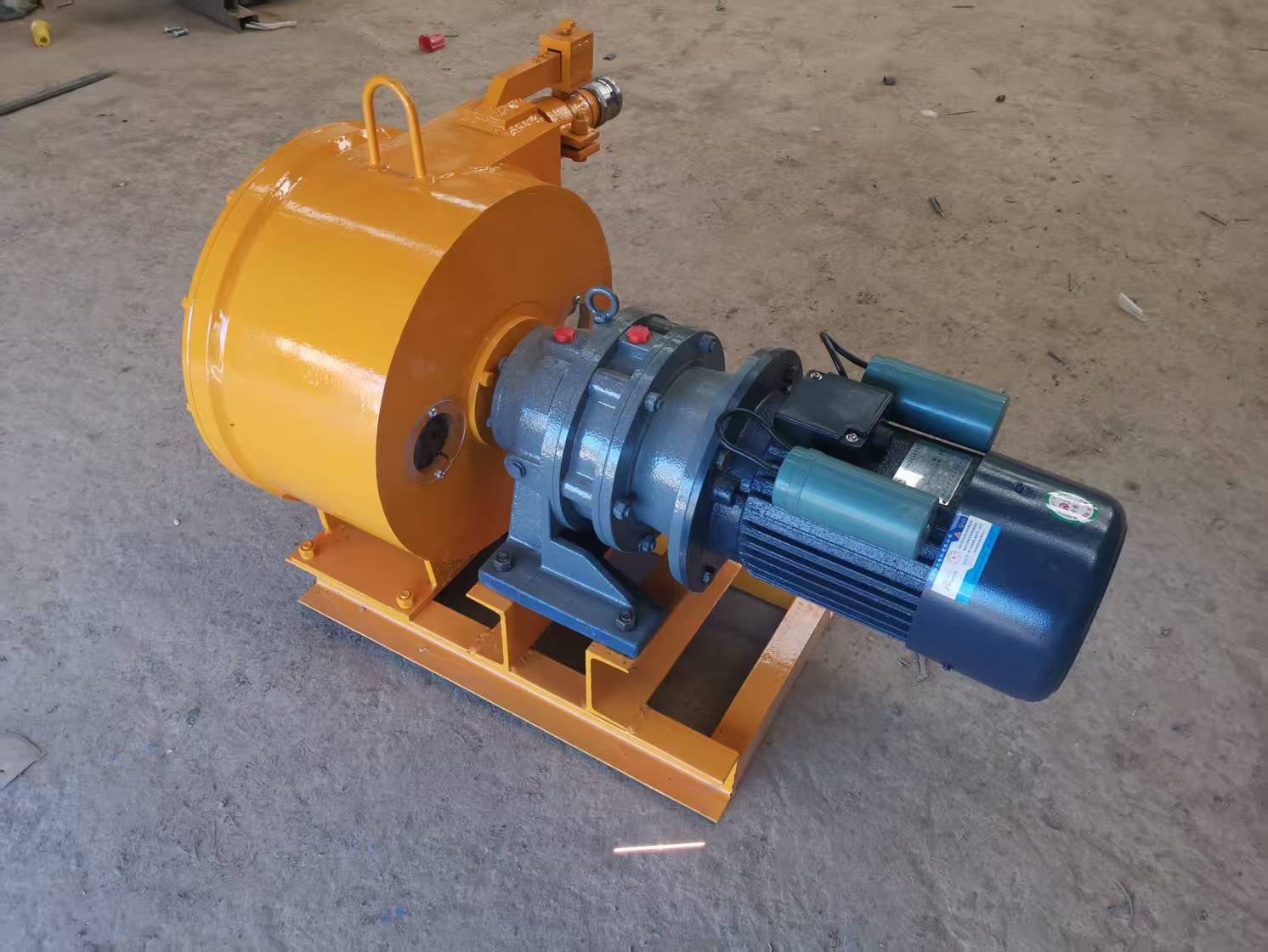
Timing matters in concrete work. That’s where accelerating admixtures for concrete and concrete retarder admixtures come in.
Concrete accelerators shorten curing time—great for cold weather or fast-track projects. Look for products that reduce concrete accelerator curing time without compromising long-term strength.
On the flip side, a concrete retarder (or admixture retarder) delays setting, useful in hot climates or for large pours. Surface retarder concrete is even used to expose aggregates for decorative finishes.
6. Air Entraining Admixtures for Freeze-Thaw Resistance
Air entraining concrete contains microscopic air bubbles that act as pressure relief valves during freezing. This prevents cracking in cold regions.
An air entraining admixture (or air entraining agent) introduces these stable bubbles. It’s essential for pavements, bridges, and any structure exposed to deicing salts or repeated wet-dry cycles.
Don’t confuse it with foaming agents—air entraining is about durability, not lightweight concrete.
7. Waterproofing Admixtures
Need concrete that repels water? Waterproofing admixtures like integral waterproofer or crystalline waterproofing admixture penetrate the matrix to block moisture ingress.
These include cement waterproofing additive, concrete waterproof admix, and waterproof admix options that chemically react to seal capillaries. Unlike surface coatings, they protect from within—ideal for basements, tanks, and foundations.
8. Fiber Reinforcement: Beyond Steel Rebar
Fibers for concrete—like polypropylene fibres, steel fibers, or even coconut fiber—add tensile strength and reduce cracking. This category includes fiber reinforced concrete, macro fibers, and microfibers.
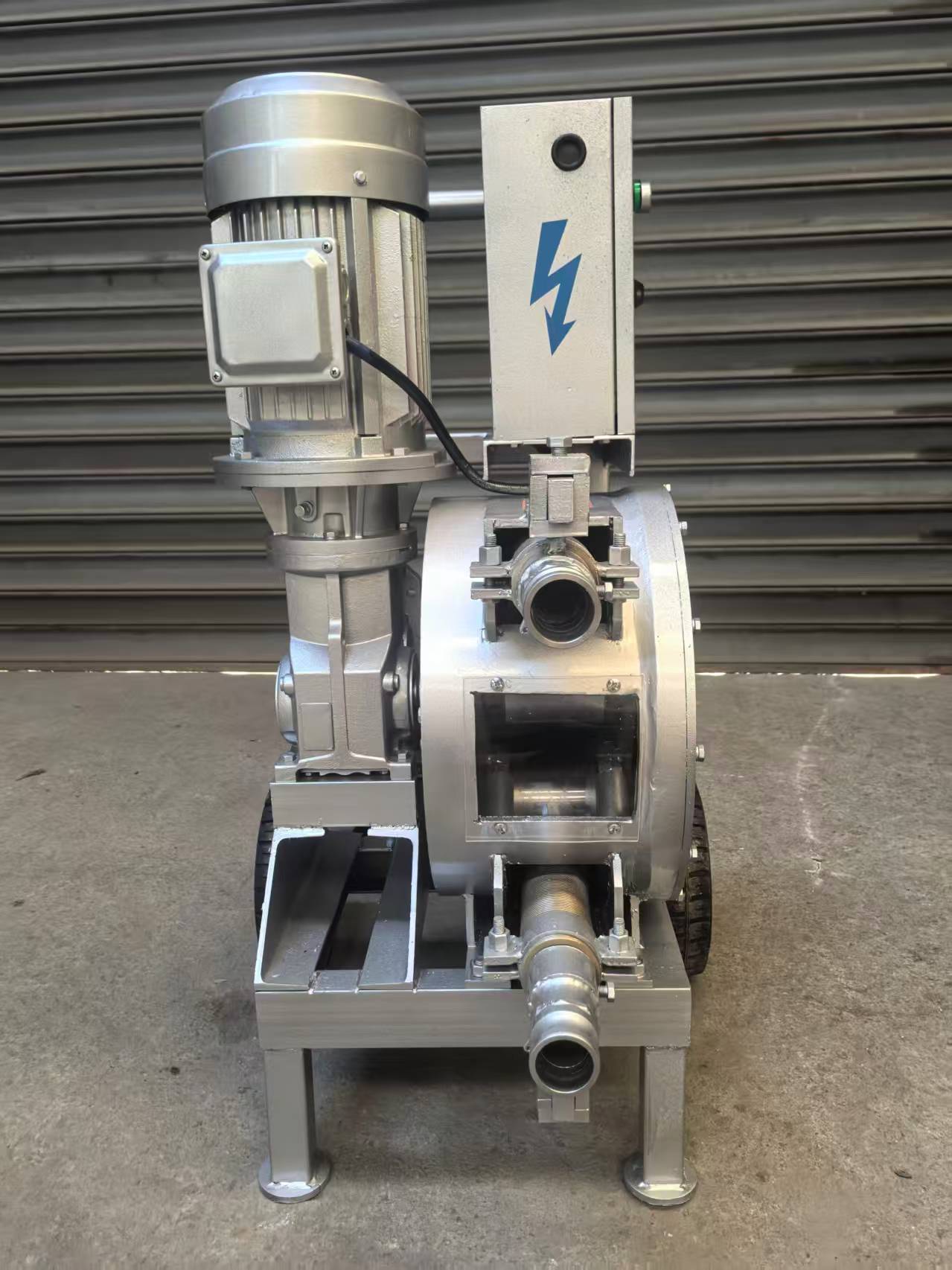
From home siding to industrial floors, fiberfor concrete mixes enhance impact resistance and control plastic shrinkage. Popular choices include pp fiber concrete, carbon fiber reinforced concrete, and fibermesh concrete.
Note: While concrete fiber siding and fibercement siding (like Hardie or CertainTeed brands) use fibers for durability, they’re pre-manufactured panels—not poured-in-place concrete.
9. Specialty Additives: Foaming Agents, Colorants & Release Agents
Beyond performance, admixtures also enable aesthetics and ease of use.
Foaming agents create lightweight cellular concrete (aircrete). Protein-based or synthetic CLC foaming agents produce insulating blocks or fills.
For stamped or colored concrete, powder release agents, tinted concrete stains, and mold release sprays ensure clean patterns and vibrant hues—from charcoal stamped concrete to terra cotta tones.
White cement is another specialty product, used for white concrete countertops, bright mortar, or decorative finishes. Though not an admixture itself, it’s often paired with superplasticizers for smooth, stain-resistant surfaces.
10. Choosing the Best Admixture for Your Project
With so many concrete admixture types—from Chryso admixture lines to DIY-friendly options at Home Depot—it’s key to match the additive to your specific need.
Ask yourself: Do you need faster set time? Better flow? Waterproofing? Crack control? Always follow dosage guidelines and consider compatibility with other concrete chemicals.
11. Conclusion
Admixtures have revolutionized concrete technology, making it smarter, stronger, and more versatile. Whether you’re using a superplasticizer admixture for high-rise cores or a concrete waterproofing additive for a backyard pond, the right choice elevates both performance and aesthetics.
Understanding admixture used in concrete isn’t just for engineers—it empowers builders, designers, and homeowners to get the most out of every pour.
Our Website founded on October 17, 2012, is a high-tech enterprise committed to the research and development, production, processing, sales and technical services of ceramic relative materials such as 10. Our products includes but not limited to Boron Carbide Ceramic Products, Boron Nitride Ceramic Products, Silicon Carbide Ceramic Products, Silicon Nitride Ceramic Products, Zirconium Dioxide Ceramic Products, etc. If you are interested, please feel free to contact us.