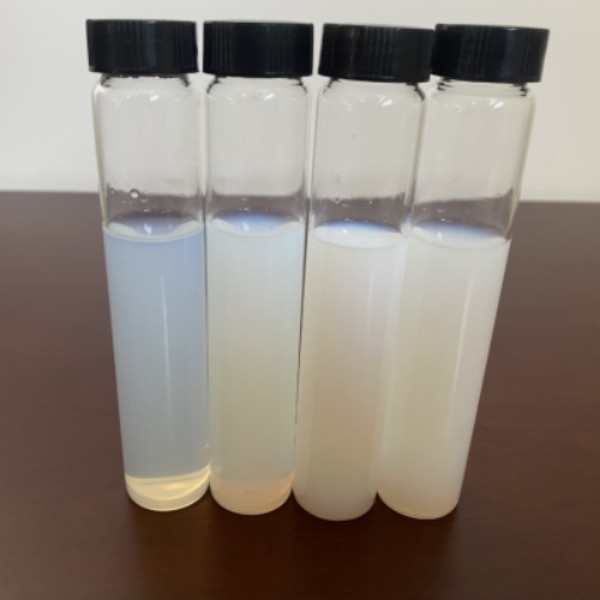
Professional solutions on concrete addtives, Concrete Foaming Agent, Superplasticizer, CLC Blocks Additives, and foaming machine

7 Practical Steps to Choose and Use the Best Admixtures for Your Concrete Project
1. Introduction
Just 24 hours ago, a major construction firm in Texas reported significant delays due to premature concrete setting caused by incorrect use of a concrete accelerator during a heatwave. This incident highlights a growing industry concern: misusing or mismatching admixtures can compromise entire projects. With rising demand for high-performance, sustainable concrete, knowing how to properly select and apply admixtures has never been more critical.
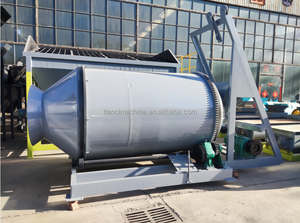
Admixtures—also called concrete additives or concrete chemicals—are materials added to concrete before or during mixing to modify its properties. From improving flow with superplasticizer in concrete to enhancing freeze-thaw resistance with air entraining admixture, the right choice makes all the difference. In this practical guide, we’ll walk you through seven clear steps to choose and use the best admixture for concrete in any scenario.
2. Identify Your Concrete’s Performance Needs
Before buying any admixture, ask: What problem are you solving? Common goals include:
- Increasing workability without adding water (use water reducing admixtures like superplasticizer)
- Speeding up curing in cold weather (choose accelerating admixtures for concrete)
- Delaying set time in hot climates (opt for a concrete retarder admixture)
- Boosting durability against water (apply a crystalline waterproofing admixture or integral waterproofer)
- Improving crack resistance (add fibers like polypropylene fibres for concrete or steel fibers for concrete)
Matching your objective to the correct admixture type prevents costly mistakes and ensures performance.
3. Understand Key Admixture Types
Not all admixtures are created equal. The main categories include:
- Water reducers (e.g., concrete water reducer, mid-range or high-range superplasticizers like polycarboxylate ether)
- Set modifiers (concrete accelerator for fast curing; concrete retarder for extended workability)
- Air-entraining agents (air entraining concrete improves freeze-thaw resistance)
- Waterproofing admixtures (cement waterproofing additive, waterproof admix, or crystalline systems)
- Fiber reinforcements (fibers for concrete like macro fibers, pp fiber concrete, or coconut fiber reinforced concrete)
- Specialty additives (foaming agents for foam concrete, release agents for stamped concrete, or white cement for aesthetic finishes)
Remember: mineral admixture (like fly ash) is different from chemical admixture for concrete—both serve unique roles.
4. Select the Right Superplasticizer
Superplasticizers are among the most widely used concrete admixtures. If you need high flow with low water content, choose a superplasticizer admixture based on chemistry:
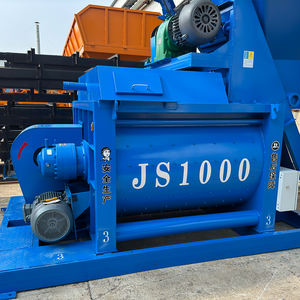
- Polycarboxylate ether (PCE): best for high-strength, self-consolidating concrete; offers excellent slump retention
- Naphthalene or melamine-based: cost-effective but less efficient than PCE
Always check compatibility with your cement type. Brands like Chryso admixture offer tailored solutions, but generic super plasticizers from Home Depot can work for small jobs. Use dosages per manufacturer specs—typically 0.5% to 2% by cement weight.
5. Apply Waterproofing and Air-Entraining Additives Correctly
For basements, bridges, or outdoor slabs, waterproofing admixture for concrete is essential. Crystalline waterproofing admixture reacts with moisture to seal pores permanently—ideal for long-term protection. Alternatively, an integral waterproofer creates a hydrophobic barrier within the mix.
In cold regions, never skip air entraining. An air entraining agent introduces microscopic bubbles that cushion ice expansion. Aim for 4–7% air content in exterior concrete. Overuse causes strength loss, so follow ASTM C233 guidelines.
6. Use Fibers and Specialty Additives Wisely
Fiber reinforced concrete enhances toughness and reduces plastic shrinkage cracks. Choose:
- Polypropylene fibre for general crack control
- Steel fiber reinforced concrete for industrial floors or blast resistance
- Coconut fibre concrete for eco-friendly builds (still emerging)
For decorative stamped concrete, pair colored concrete powder with a quality concrete release agent (spray or powder) to prevent sticking and add accent colors. Avoid DIY release agents—they often fail under pressure.
7. Avoid Common Mixing and Dosage Mistakes
Even the best admixture fails if misused. Key tips:
- Never add extra water to compensate for poor workability—use a plasticizer for concrete instead
- Add superplasticizer after initial mixing for maximum effect
- Don’t combine incompatible admixtures (e.g., some accelerators neutralize retarders)
- Store liquid admixtures above freezing; powders in dry conditions
- Always test trial batches before full-scale pours
8. Conclusion
Choosing and using admixtures doesn’t have to be complicated. By matching your project’s needs to the right concrete admixture types—whether it’s a superplasticizer admixture for flow, an air entraining concrete additive for durability, or a concrete waterproof admix for wet environments—you’ll save time, money, and headaches. Stay informed, test small, and always follow technical data sheets. With these seven steps, you’re ready to mix smarter, not harder.
Our Website founded on October 17, 2012, is a high-tech enterprise committed to the research and development, production, processing, sales and technical services of ceramic relative materials such as 7. Our products includes but not limited to Boron Carbide Ceramic Products, Boron Nitride Ceramic Products, Silicon Carbide Ceramic Products, Silicon Nitride Ceramic Products, Zirconium Dioxide Ceramic Products, etc. If you are interested, please feel free to contact us.