Professional solutions on concrete addtives, Concrete Foaming Agent, Superplasticizer, CLC Blocks Additives, and foaming machine

Why the Concrete Industry is Switching to Eco-Friendly Form Separators (The Data Doesn’t Lie)
Architects and builders pour immense effort into achieving perfect architectural finishes. Yet, nearly 30% of all concrete used in architectural projects faces remediation due to staining, discoloration, or surface defects caused by traditional form release agents. This is the hidden cost of outdated chemistry.
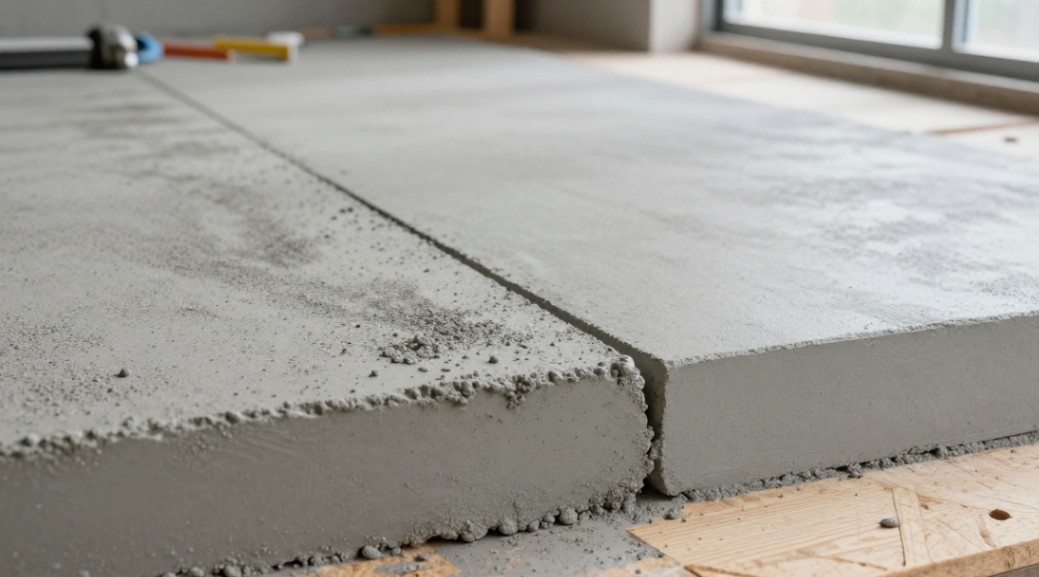
1. The Core Purpose: More Than Just a Release Agent
An eco-friendly concrete form separator for architectural finishes has one job: to create a perfect barrier. It must prevent concrete from chemically bonding to the formwork without contaminating the surface.
- Traditional agents often leave oily residues, block pores, and interfere with subsequent treatments.
- Modern eco-friendly separators achieve clean release while actively protecting the integrity of the finish.
Think of it as a protective, breathable layer. It facilitates flawless demolding and preserves the design intent.
2. The Material Revolution: What ‘Eco-Friendly’ Actually Means
The term ‘eco-friendly’ isn’t marketing fluff here. It describes a fundamental shift in material science focused on lifecycle impact.
2.1. Primary Material Categories
- Biodegradable & Plant-Based: Derived from soybean, canola, or other vegetable oils. They break down naturally, posing no long-term soil or water threat.
- Recycled & Repurposed: Formulated using post-industrial materials, creating a circular economy loop right on the job site.
- Non-Toxic & Low-VOC: Engineered without harmful solvents or volatile organic compounds. This protects worker health and indoor air quality on enclosed projects.
- Water-Based Formulations: Use water as the primary carrier instead of petroleum distillates. They dramatically reduce flammability and toxic fumes.
3. The Unbeatable Benefits Over Petroleum-Based Agents
Switching is a matter of logic, not just ethics. The advantages stack up quickly.
- Impeccable Finish Clarity: No oil sheen or blotchy stains. The true color and texture of the concrete emerge untouched.
- Superior Adhesion for Coatings: A residue-free surface allows paints, sealers, and stains to bond correctly the first time. Eliminate costly surface prep and failures.
- Worker and Site Safety: Non-flammable, low-odor products create a safer, more productive environment. This matters for enclosed spaces and urban projects.
- Simplified Cleanup: Many eco options clean with water and mild detergent. No need for harsh, expensive solvents.
4. Performance Under Scrutiny: Architectural Finish Impact
Will it work on my complex, textured formliner? Yes. Performance is non-negotiable.
These advanced separators are designed for compatibility. They evenly coat intricate details in fiberglass, rubber, or wood formwork without pooling. The result is a crisp, defect-free reproduction of the form’s pattern. For sandblasted or exposed aggregate finishes, they prevent paste buildup in crevices, ensuring aggregate clarity.
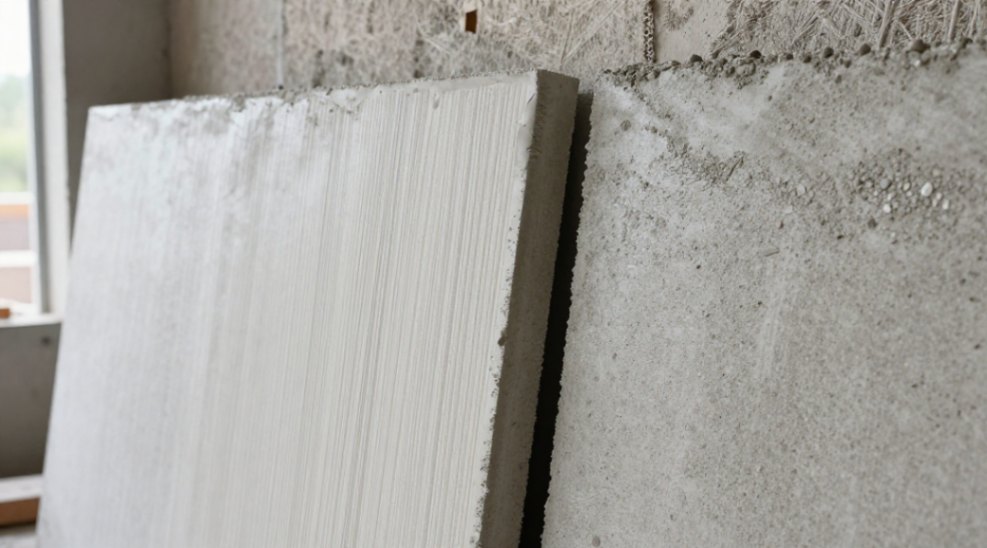
5. The Environmental Math: A Clear Advantage
The environmental case is built on simple, powerful logic.
- Dramatically Lower Carbon Footprint: Plant-based and recycled materials require less energy to produce than refining crude oil into release agents.
- Virtually Zero VOCs: You eliminate a source of air pollution and smog formation at the project source.
- Reduced Hazardous Waste: Empty containers and incidental spills become non-hazardous waste streams. This simplifies disposal and lowers liability.
- Biodegradability: Accidental runoff degrades naturally, protecting the local watershed.
6. Specification and Application: A Practical Guide
Specifying the right eco-friendly concrete form separator is straightforward. Follow this logic.
6.1. Key Selection Criteria
- Formwork Material: Steel, plastic, wood, and composite formliners each have ideal companion chemistries. Match the product to your form.
- Desired Finish: Specify a product validated for architectural finishes, not just structural concrete.
- Application Method: Choose between spray, roller, or brush-on based on project scale and form complexity.
- Certifications: Look for independent validations like UL EcoLogo, GreenScreen, or Cradle to Cradle. These replace guesswork with trust.
6.2. Application Best Practices
Success hinges on method, not magic.
- Clean Forms Meticulously: Remove all old concrete, rust, and previous release agent. A clean substrate is critical.
- Apply a Thin, Even Coat: The goal is a continuous film, not a puddled layer. Too much product can cause runs and blemishes.
- Allow Proper Drying/Setting Time: Let the separator form its barrier before placing concrete. Rushing this step is the most common mistake.
- Store Products Correctly: Protect water-based formulas from freezing. Follow the manufacturer’s guidelines.
7. The Future is Already Here: Trends to Watch
The innovation continues. The next wave is even more precise.
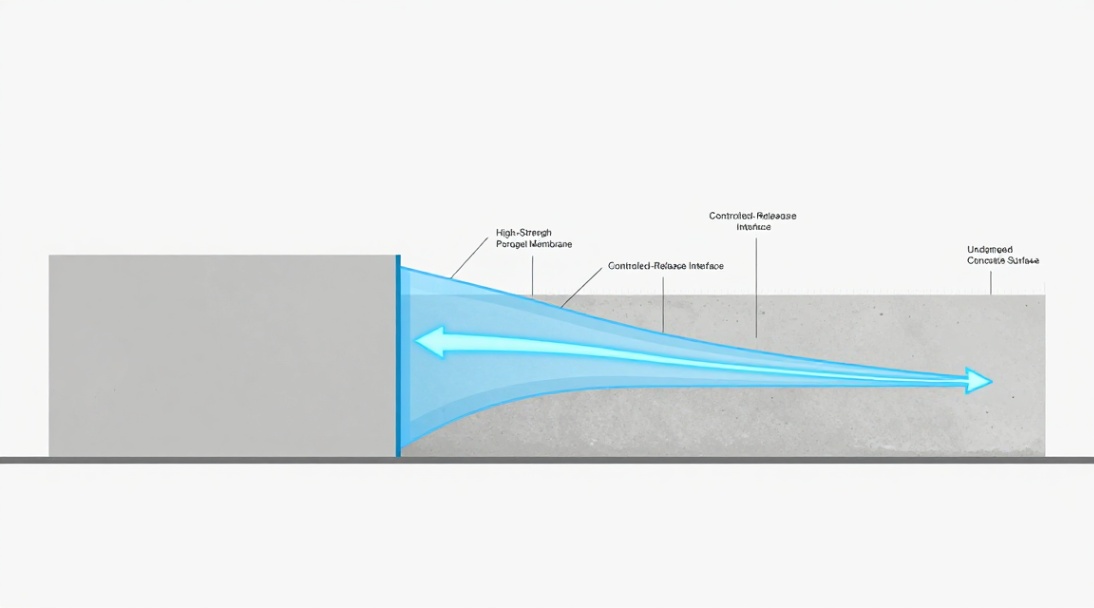
- Multi-Functional Formulations: Separators that also act as curing compounds or corrosion inhibitors for embedded steel.
- Bio-Engineered Performance: Using advanced biology to create release agents with unparalleled performance and near-zero environmental impact.
- Integration with Digital Fabrication: Form separators designed for 3D-printed concrete and complex digital molds, ensuring release from geometries previously deemed impossible.
The trajectory is clear. The industry is moving toward total material accountability. An eco-friendly concrete form separator for architectural finishes is no longer a niche alternative. It is the rational, responsible, and high-performance choice for any project where the finish matters. Your next step is simple: test one. Source a few leading eco-friendly options and run a side-by-side mock-up with your standard material. Compare the finish, the clean-up, and the feel on-site. The results will guide your specification with confidence. Your concrete, your team, and your project’s legacy will be better for it.
We are the global leader in lightweight concrete and advanced engineered foam solutions. Known globally for its commitment to research, innovation, and applied expertise, we have been providing engineered foam solutions since the early 2012’s.
We can supply high-quality concrete admixture and foam concrete related products all over the world.
The company has a professional technical department and quality supervision department, a well-equipped laboratory, and equipped with advanced testing equipment and after-sales customer service center.
If you are interested, please feel free and contact us.