Professional solutions on concrete addtives, Concrete Foaming Agent, Superplasticizer, CLC Blocks Additives, and foaming machine

The Absolute Must-Know Rules for Demolding Intricate Concrete Patterns
WARNING: Using the wrong release agent, or even the right one incorrectly, will permanently ruin a delicate, intricate concrete surface. As a veteran in architectural concrete, I’ve seen beautiful custom formwork lead to heartbreaking failures. Let’s ensure your project isn’t one of them. The following Q&A focuses on the pitfalls to avoid.
The Common, Costly Mistakes to Avoid
1. Can’t I just use diesel fuel or motor oil as a cheap release agent?
Absolutely not. This is the single most damaging shortcut I see. These products stain concrete, compromise surface strength, and create a greasy film that traps air, causing surface defects called ‘bugholes’. For intricate patterns, this guarantees a permanently blotchy, weak finish. Reddit forums are filled with posts from DIYers devastated by this exact mistake.
2. Why is a ‘standard’ release agent dangerous for detailed formwork?
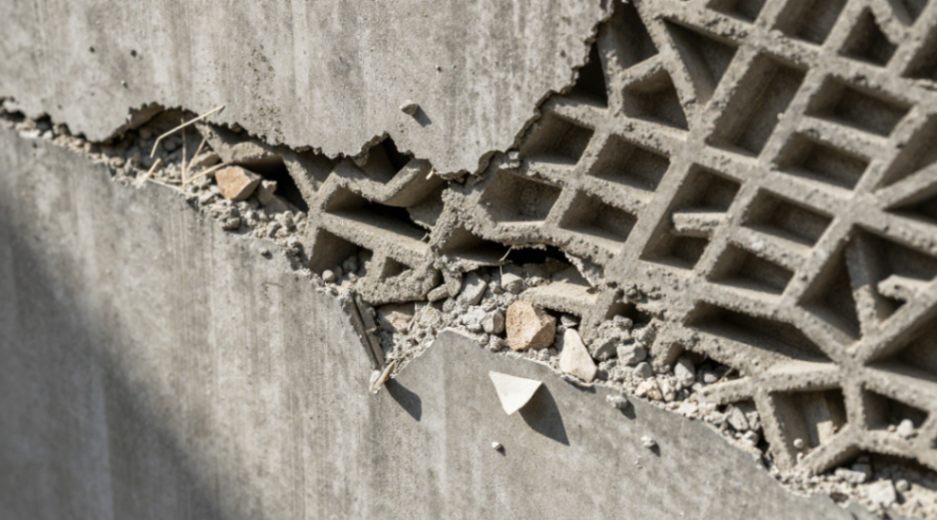
Standard agents have too much surface tension. They can’t effectively penetrate and coat the microscopic crevices of a complex mold. Upon demolding, the concrete bonds to these uncoated areas. You’ll rip off the pattern’s fine edges and surface texture. The result is a damaged mold and concrete that looks ‘chewed up’.
3. What’s the #1 property to look for in an agent for intricate patterns?
Ultra-low surface tension. Think of it like water versus alcohol on glass. Alcohol spreads into a thin, even film because of its low surface tension. A proper intricate-pattern agent behaves the same, flowing into every corner and undercut to create a perfect, non-stick barrier without pooling.
4. How does improper application ruin an otherwise good agent?
You MUST apply a thin, even film. Two critical errors here: over-application and poor timing. Spraying on too much creates pools in the pattern valleys. These pools react with the cement paste, weakening the surface and causing discoloration. Applying too late (right before pouring) doesn’t allow the carrier to evaporate, trapping solvents against the concrete.
- Mistake: A heavy, wet coat.
- Solution: A fine, misted coat applied 15-30 minutes before the pour, allowing it to dry to a slight sheen.
5. How do I choose the right agent for my mold material?
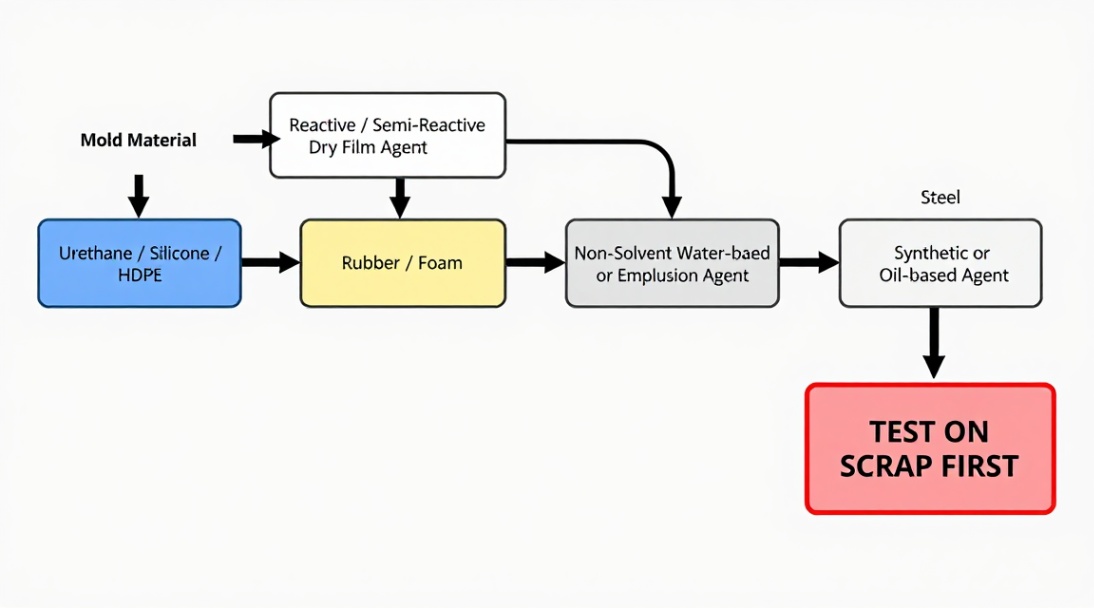
Mold chemistry dictates your choice. This is non-negotiable. Using a solvent-based agent on certain rubber or foam molds will chemically attack and degrade them. For urethane, silicone, or detailed HDPE molds, you typically need a reactive or semi-reactive agent that cures to a dry film. For steel, a traditional oil-based might work, but a modern synthetic is cleaner. Always, always test on a scrap piece first.
6. What’s the hidden danger with colored or stamped concrete?
Staining and color inconsistency. Many release agents, especially powdered ones for stamping, contain pigments. If you fail to wash it off completely from the intricate surface after demolding, you permanently alter the color. For architectural white or grey concrete, any oily residue can cause yellowing or dark patches over time. Look for ‘non-staining’ and ‘water-washable’ formulas.
7. What is the single biggest post-demolding mistake?
Rushing the demold. Patience is your best tool. Even with a perfect agent, if the concrete lacks sufficient green strength, the weight of the material will shear off the fine details. Wait longer than you think you need to. Gentle, even pressure is key-never pry or use impact tools on delicate edges.
8. How do environmental factors affect the release process?
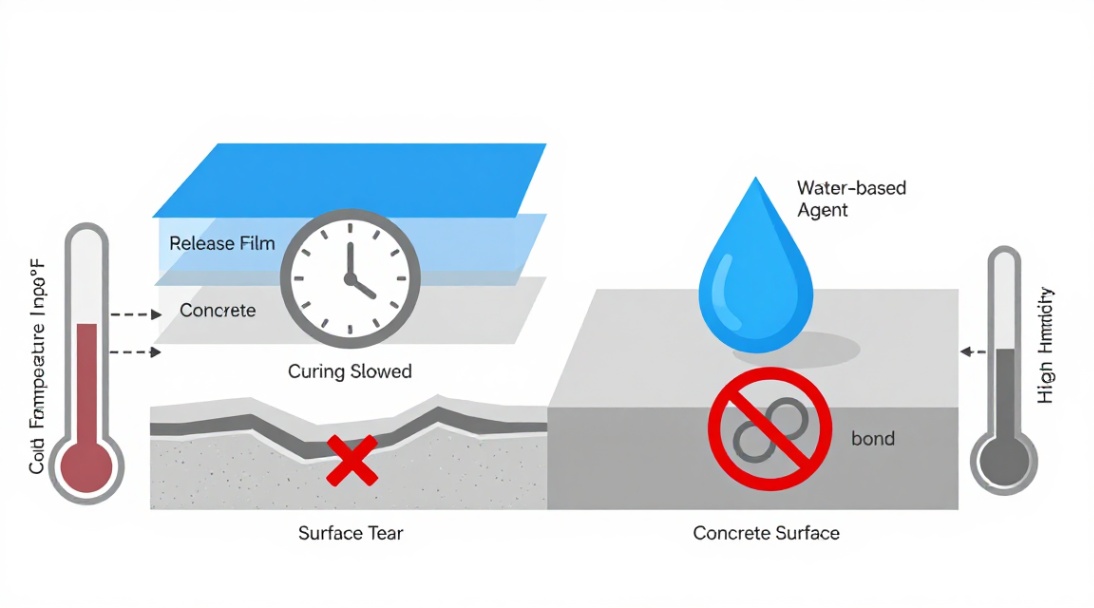
Temperature and humidity are silent partners. Cold temperatures dramatically slow the curing of both the release film and the concrete itself. Demolding in cold weather without adjusting your schedule is a recipe for a surface that ‘tears’. High humidity can prevent a water-based agent from drying properly, leading to adhesion. Control your environment when possible.
Your Path to Flawless Results
The key to success with a concrete demolding agent for intricate patterns lies in respecting the chemistry and the process. Treat your release agent as a critical component of your concrete mix, not an afterthought. Source a high-quality, ultra-low surface tension formula designed for complex molds. Test it on a small scale with your specific mold and concrete. Apply it with the same care you took to build the formwork. The reward is a crisp, perfect surface that captures every detail of your design. Your patience and precision here make all the difference. Now go create something beautiful.
We are the global leader in lightweight concrete and advanced engineered foam solutions. Known globally for its commitment to research, innovation, and applied expertise, we have been providing engineered foam solutions since the early 2012’s.
We can supply high-quality concrete admixture and foam concrete related products all over the world.
The company has a professional technical department and quality supervision department, a well-equipped laboratory, and equipped with advanced testing equipment and after-sales customer service center.
If you are interested, please feel free and contact us.