Professional solutions on concrete addtives, Concrete Foaming Agent, Superplasticizer, CLC Blocks Additives, and foaming machine

Why a 16th-Century Alchemy Formula Beats Modern Binders for Critical Refractory Work
The Uncomfortable Data Point
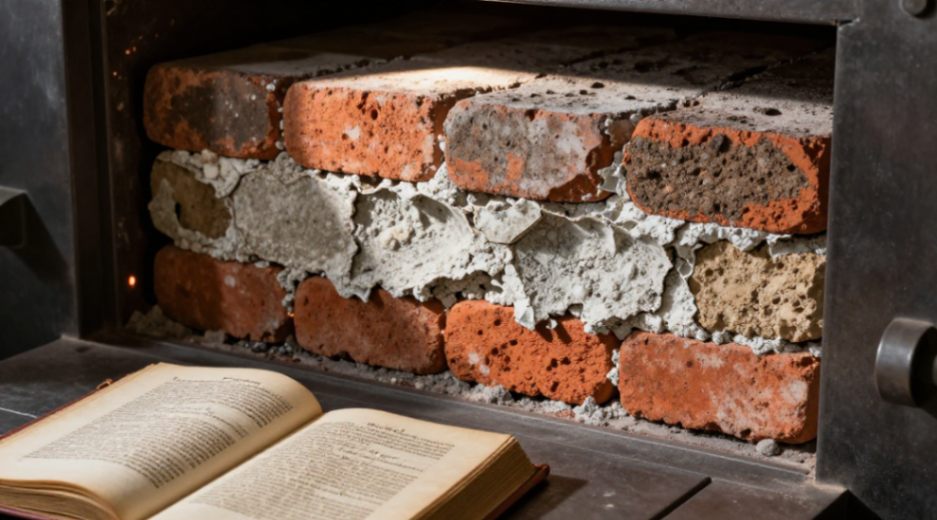
A recent industry study found that over 40% of premature refractory lining failures in non-ferrous metal furnaces are linked to binder breakdown during the first thermal cycle. Not aggregate failure. The binder. This statistic points to a fundamental flaw in material selection. The solution, however, isn’t a new polymer. It’s a material known since the 1500s: potassium silicate.
Potassium Silicate: The Glass-Forming Guardian
Potassium silicate is an inorganic binder. It’s a water-soluble compound of silica (SiO2) and potassium oxide (K2O). Think of it as liquid glass. When you mix it with refractory aggregates like alumina or silica flour and apply heat, magic happens.
- Chemical Composition: The ratio of SiO2 to K2O defines its “modulus.” A higher modulus means more silica, leading to better temperature resistance and faster setting times.
- The Binding Mechanism: It doesn’t just stick particles together. As water evaporates and temperature rises, the silicate solution gels and then sinters. It forms a continuous, three-dimensional glassy matrix that literally fuses the refractory grains into a monolithic, ceramic-like structure.
Why Engineers Trust It Over Organic Binders
Walk onto any foundry floor during a gunning repair. Smell the smoke? That’s an organic resin binder burning out. It creates porosity and weak points right when the lining needs maximum strength. Potassium silicate sidesteps this entirely.
- Zero VOC/Smoke: It’s inorganic. Curing involves dehydration and sintering, not combustion. The work environment stays clear and safe.
- Superior Thermal Stability: That glassy matrix remains stable well over 1000°C. It doesn’t pyrolyze. It doesn’t soften. It just gets stronger as it sinters further.
- Exceptional Adhesive Strength: It bonds chemically to most mineral surfaces. This creates a bond that is often stronger than the aggregate itself, preventing spalling and erosion.
Application: It’s About Control, Not Complexity
On forums like Refractory Engineers on Reddit, a common thread pops up: “First time using K-silicate, my mix set up in the bucket.” The learning curve is shallow but real. Success hinges on understanding two phases: application and curing.
Mixing & Applying Your Coating
You can spray, trowel, or brush it. Consistency is key. Mix the silicate solution with your chosen aggregates-alumina, zirconia, silicon carbide-until you achieve a stiff, workable paste.
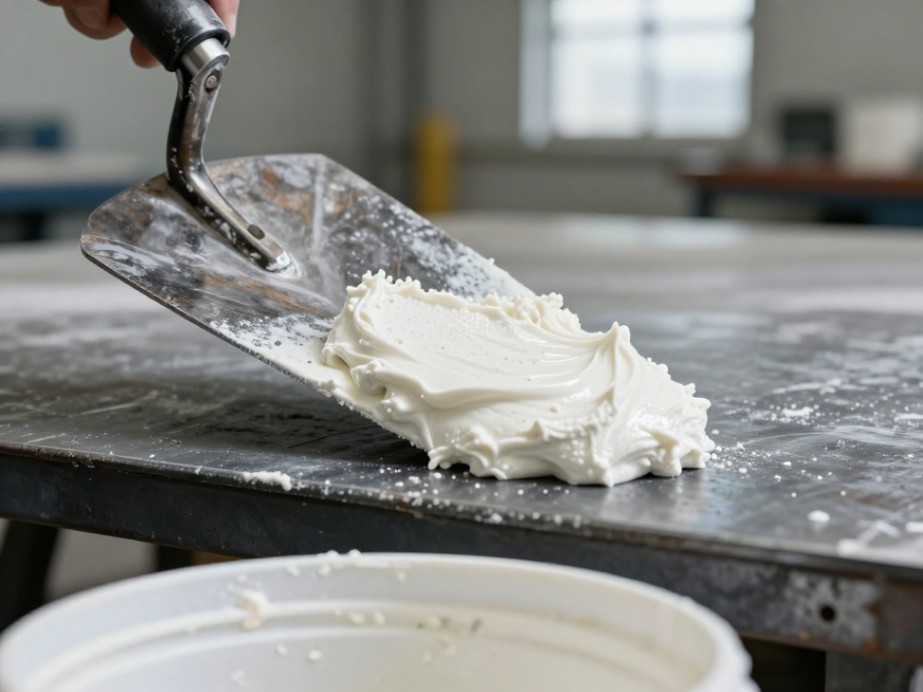
- Pro Tip: Always add the powder to the liquid, not the other way around. It minimizes lumping.
- Working Time: Adjust the modulus or use additives to control your set time. Higher modulus sets faster.
The Critical Curing Process
This is where novices fail. Curing is not air drying.
- Controlled Drying: Initial drying must be slow and even to prevent cracking from rapid water loss. Use ambient air flow, not direct heat.
- Thermal Setting: Final strength comes from applying heat. Ramp the temperature gradually to 150-300°C. This drives off remaining water and initiates the silicate polymerization, forming the permanent glass bond.
Making the Choice: Potassium vs. Sodium Silicate
Both are silicate binders. Potassium silicate is the premium choice for high-end refractory coatings. Why? It offers a wider working range, better resistance to molten metal penetration, and superior weathering characteristics. Sodium silicate can be hygroscopic and prone to efflorescence. Potassium silicate mitigates these issues. For critical applications, the choice is clear.
Your Next Step is Clear
The data doesn’t lie. If your project involves protecting assets from extreme heat, molten metal, or aggressive chemical environments, an organic binder is a calculated risk. Potassium silicate provides a proven, inorganic solution. It’s not a secret. It’s the standard for performance.
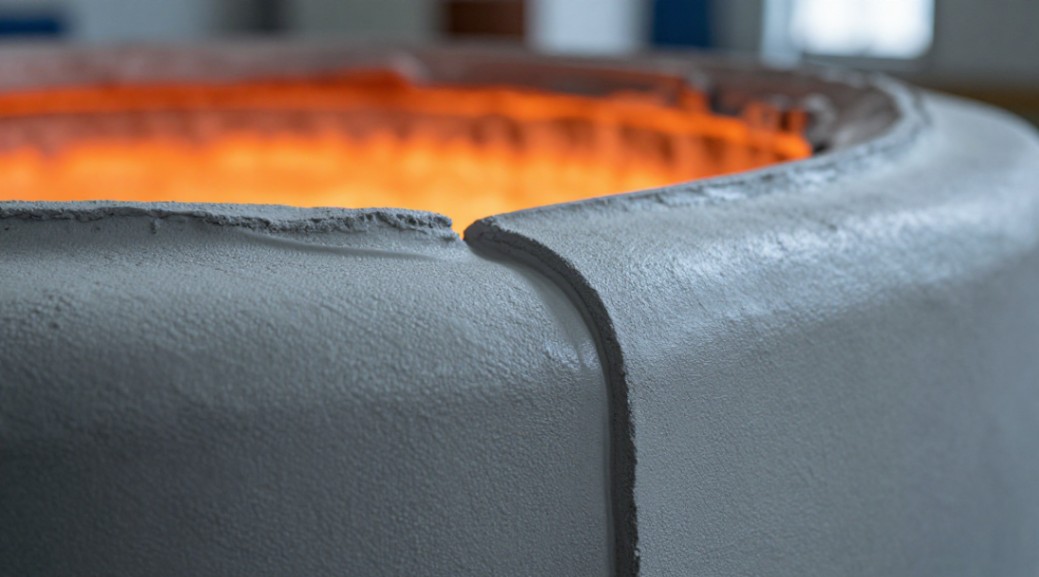
Stop compromising your lining’s integrity from the binder up. Contact a specialist supplier today with your application details-temperature, atmosphere, aggregate type-and request a technical datasheet for a potassium silicate formulation matched to your needs. Test it against your current binder on a pilot section. The difference in thermal shock resistance and longevity will be immediately apparent. Make the switch.
We are the global leader in lightweight concrete and advanced engineered foam solutions. Known globally for its commitment to research, innovation, and applied expertise, we have been providing engineered foam solutions since the early 2012’s.
We can supply high-quality concrete admixture and foam concrete related products all over the world.
The company has a professional technical department and quality supervision department, a well-equipped laboratory, and equipped with advanced testing equipment and after-sales customer service center.
If you are interested, please feel free and contact us.