Professional solutions on concrete addtives, Concrete Foaming Agent, Superplasticizer, CLC Blocks Additives, and foaming machine

The Ugly Truth About Soap-Based Release Sprays: Why Petroleum Hates Are Wrong
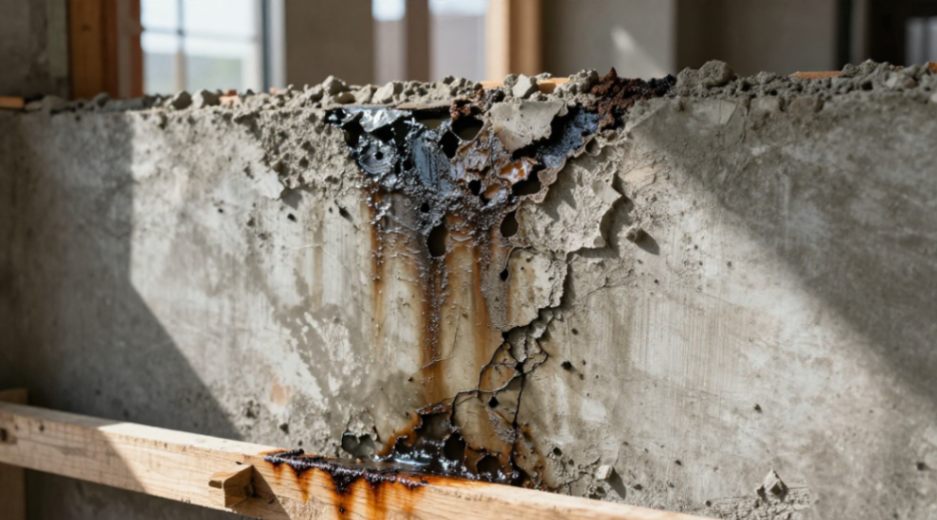
You pull the forms and feel that familiar sinking feeling. The concrete is pitted. Stained. It looks like it’s been attacked by chemical leprosy, not cured into a smooth, architectural finish. You spent hours prepping that formwork, only to be betrayed by the very agent meant to protect it. The job is now a costly patch-and-paint nightmare, and the project manager is breathing down your neck. This isn’t a hypothetical. It’s the daily reality for crews using the wrong release agent, chasing shortcuts, and trusting marketing over chemistry. For decades, the industry ran on a simple, brutal truth: petroleum solvents cut through anything, guaranteed a release, and to hell with the mess. Then the soap preachers arrived, promising a cleaner, greener, easier world. Let’s cut through the hype. Let’s talk about when soap-based concrete form release spray is your savior, and when it’s a liability waiting to happen.
The Anatomy of a Sudsy Deception
First, forget the word ‘soap’. It conjures images of gentle bubbles and dishwashing liquid. This isn’t that. A proper soap based concrete form release spray is a precisely engineered anionic surfactant system. Its job isn’t to clean, but to create a microscopic, sacrificial barrier. Here’s the counterintuitive part: it doesn’t ‘release’ the concrete. It prevents the cement paste from bonding to the formwork by migrating to the interface. As the concrete is placed, the surfactants in the spray align at the surface, their hydrophilic heads attracted to the moisture, their hydrophobic tails facing the form. This forms a weak boundary layer. The bond fails at this layer, not at the concrete-formwork interface. This is fundamental. Petroleum oils work by displacement and creating a physical oil film. Soaps work by molecular interference. One is a sledgehammer; the other is a scalpel. The result? With soap, you get a true, unadulterated concrete surface. No oily residue means the surface can hydrate and cure normally, leading to superior colour consistency and the potential for better paint or coating adhesion later. Petroleum leaves a film that retards surface cure and acts as a bond-breaker for everything that follows.
The Battlefield: Soap vs. The Old Guard
Let’s get the ugly comparisons out in the open. On Reddit forums and jobsite trailers, the debate rages. You have the old-school crew swearing by diesel fuel mixes, and the new guard waving biodegradable soap bottles. Here’s the raw, unfiltered breakdown you won’t get from a sales brochure.
The Soap Gospel (And Its Fine Print)
The Good: The environmental argument is legitimate. These are typically low-VOC, biodegradable, and non-flammable. Spill some on the ground? It’s not a hazardous material incident. Cleanup is a dream-water and a stiff brush usually handle formwork and tools. The surface finish is consistently clean, with minimal risk of discoloration or pitting from reactive formwork. For architectural precast or tilt-up where appearance is everything, soap is often non-negotiable.
The Bad: Water is its enemy. A heavy dew, an unexpected rain shower before the pour, or high humidity can re-emulsify the applied film, washing it off and leaving you with a catastrophic bond. Its effectiveness is a strict function of application discipline. You must achieve a uniform, thin, and completely dry film. Miss a spot, apply it too thick, or pour before it dries, and you’re going to have a bad day. It also generally offers less lubrication for stripping complex or tight-tolerance forms compared to a heavy-duty oil. There’s a reason you don’t see it as the sole agent on massive, intricate bridge pier forms in freezing temperatures.
The Petroleum Reality (It’s Not All Evil)
The Good: It’s forgiving. Damp formwork? It’ll still work. Less-than-perfect application? Probably fine. It provides superior lubrication for difficult strips and performs reliably across a wider temperature range. For heavy civil work, rebar congestion, or in climates with volatile weather, its robustness is undeniable.

The Ugly: It’s a pollutant. It stains concrete, often permanently creating dark, blotchy patches. The oily film prevents proper surface curing, leading to dusting and reduced durability. Cleanup is a toxic, solvent-intensive chore. It’s a fire hazard. It creates slippery, dangerous jobsites. It’s the past, and in many municipalities, it’s increasingly regulated out of existence.
| Factor | Soap-Based Release Agent | Petroleum/Solvent-Based Agent |
|---|---|---|
| Surface Finish | Clean, uniform, no staining | High risk of staining & discoloration |
| Environmental Impact | Low-VOC, biodegradable, non-flammable | High-VOC, persistent pollutant, flammable |
| Formwork Cleanup | Water and detergent | Requires harsh solvents |
| Application Tolerance | Low – requires dry, uniform film | High – more forgiving to conditions |
| Weather Sensitivity | High – ruined by moisture pre-pour | Low – resistant to rain/dew |
| Lubrication | Moderate | High |
| Long-term Cost | Lower (cleanup, waste disposal) | Higher (hazmat, labour, repairs) |
The Precision Dance of Application
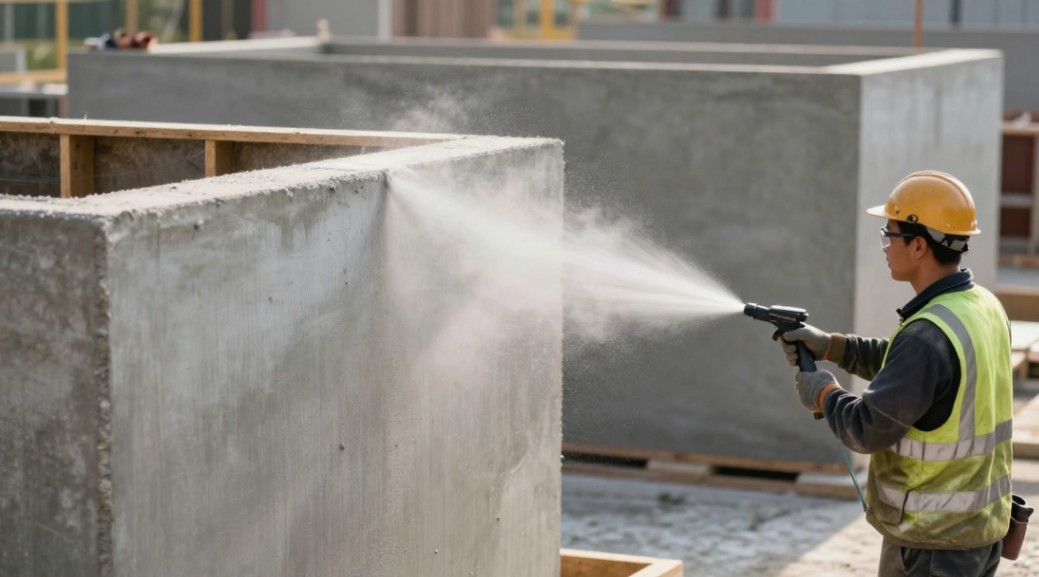
Using a soap based concrete form release spray isn’t a spray-and-pray operation. It’s a chemical process with strict parameters. You are applying a reactive film, not a coating. Start with formwork that is clean, dry, and free of old concrete, rust, or previous oil residue. Any contamination compromises the film. Use a low-pressure, high-volume sprayer-a garden sprayer works, but a dedicated airless pump with a fan tip is better. Hold the nozzle approximately 12 to 18 inches from the surface. Apply a thin, even mist, moving in consistent, overlapping strokes. The goal is a sheen, not a wet, dripping film. This is critical. Then, you wait. Let the water carrier evaporate completely. Under ideal conditions (65°F, 50% RH), this takes 15-20 minutes. In cold or humid weather, it can take over an hour. Touch the surface. It should feel dry to the touch, with no transfer. Only then is it ready for the pour. Ignoring this drying time is the number one cause of soap-based release failures.
The Verdict Is In
After two decades of seeing jobs succeed and fail based on this choice, my stance is unapologetic. For the vast majority of commercial and architectural concrete work-tilt-up panels, precast elements, exposed aggregate, any finish where aesthetics matter-soap based concrete form release spray is the only professional choice. The environmental and safety benefits are just a bonus. The reduced cleanup time alone pays for the product. But you must respect its limitations. Don’t use it in monsoons. Don’t slap it on wet forms. Don’t hire the lazy applicator. For high-risk, complex civil structures in unpredictable environments, a high-performance, low-stain synthetic oil might still be the pragmatic tool. But that’s a shrinking niche.
The industry clings to old habits out of fear. Fear of change, fear of a callback. But the data, the finishes, and the bottom line don’t lie. Stop gambling your reputation and profit on outdated, dirty technology. Make the switch to a professional-grade soap based system. Your concrete, your crew, and your client will see the difference. Don’t just take my word for it. Order a 5-gallon pail from a reputable supplier. Test it on your next small pour. Follow the instructions to the letter. See the finish. Feel the cleanup. Then try to go back. You won’t.
We are the global leader in lightweight concrete and advanced engineered foam solutions. Known globally for its commitment to research, innovation, and applied expertise, we have been providing engineered foam solutions since the early 2012’s.
We can supply high-quality concrete admixture and foam concrete related products all over the world.
The company has a professional technical department and quality supervision department, a well-equipped laboratory, and equipped with advanced testing equipment and after-sales customer service center.
If you are interested, please feel free and contact us.