Professional solutions on concrete addtives, Concrete Foaming Agent, Superplasticizer, CLC Blocks Additives, and foaming machine

How Superplasticizers and Smart Admixtures Are Revolutionizing Fiber-Reinforced Concrete Siding
1. Introduction
Imagine a house that looks like it’s wrapped in rich, weathered cedar—but is actually clad in concrete. No rot, no termites, just sleek, low-maintenance beauty that laughs at rainstorms and resists fire like a champ. That’s the magic of modern concrete fiber siding, and behind every plank is a secret sauce of high-tech concrete admixtures doing the heavy lifting.
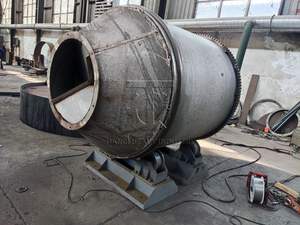
Gone are the days when concrete meant gray slabs and brutalist architecture. Today, thanks to advanced concrete additives, we can mold it into elegant, wood-grain panels that last decades. And the real MVPs? Admixtures like superplasticizers, waterproofing agents, and fiber reinforcements. Let’s dive into how these concrete chemicals turn ordinary mixes into architectural superheroes.
2. Why Fiber Cement Siding Needs Special Admixtures
Fiber cement siding—sold under brands like Hardie and CertainTeed—isn’t your grandma’s concrete. It’s a composite of Portland cement, sand, water, and cellulose or synthetic fibers. But to make it thin, strong, and easy to stamp with wood-like textures, you need more than just cement and grit. You need precision-engineered admixtures.
Without the right concrete admixture types, the mix would be too stiff to extrude or mold, too porous to withstand decades of weather, or too slow to cure for mass production. That’s where superplasticizers, air entraining agents, and integral waterproofers step in—quietly, efficiently, and indispensably.
3. Superplasticizers: The Workability Wizards
The star player in any high-performance fiber cement mix is the superplasticizer. Also known as high-range water reducers, super plasticizers like polycarboxylate ether (PCE) allow manufacturers to slash water content by up to 40% while keeping the mix fluid enough to flow into intricate molds.
Why does that matter? Less water means higher strength, lower shrinkage, and fewer cracks. For concrete siding that must be both thin (often under ½ inch) and durable, this is non-negotiable. Superplasticizer in concrete also enables faster demolding—critical when you’re producing thousands of panels per day.
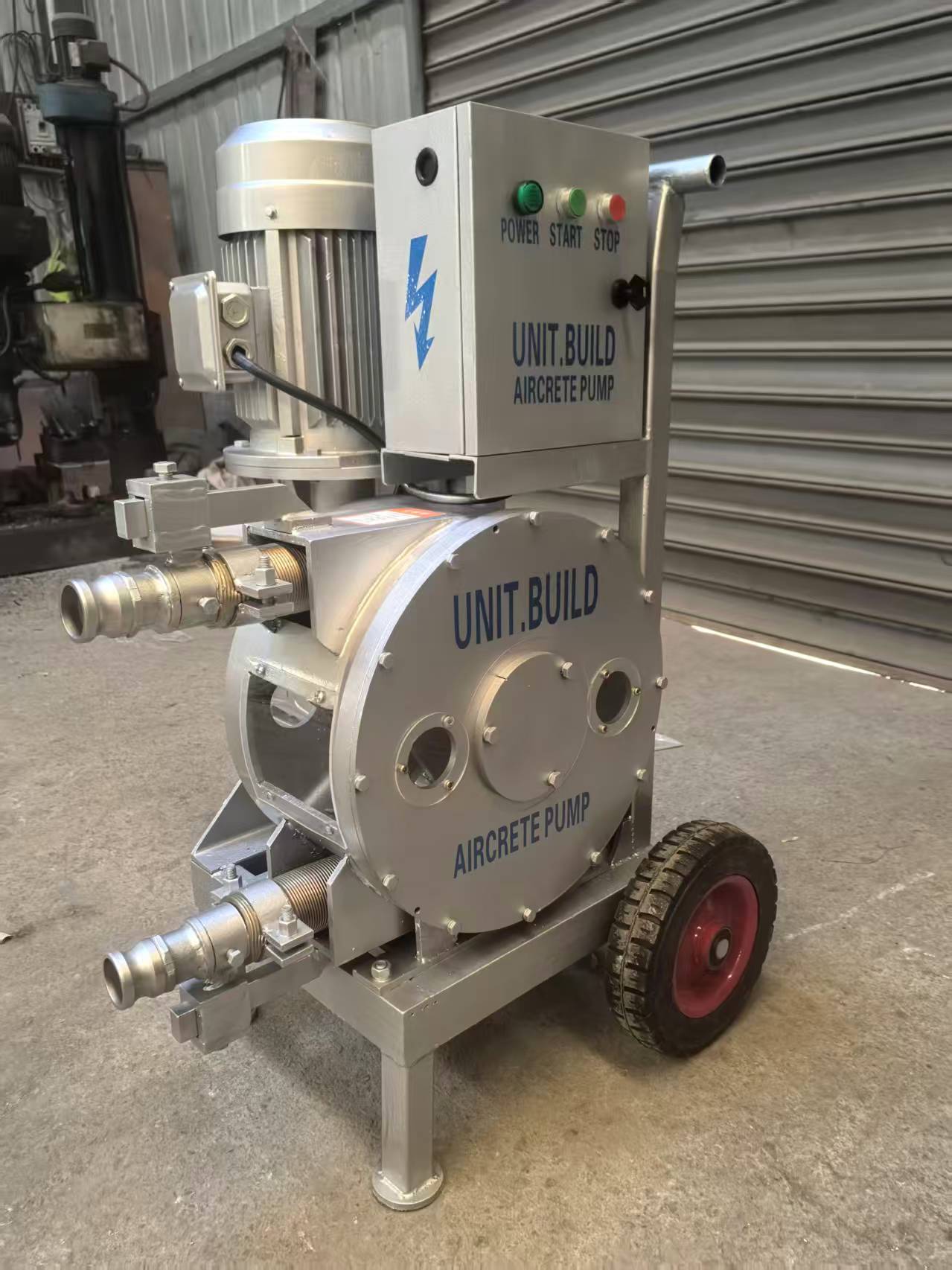
- Polycarboxylate-based superplasticizers offer superior slump retention compared to older naphthalene or melamine types.
- They play nicely with fibers, preventing clumping and ensuring even dispersion of polypropylene or steel fibers.
- The result? A smooth, consistent surface perfect for staining, painting, or mimicking natural wood grain.
4. Waterproofing Admixtures: Rain’s Worst Nightmare
Concrete may be strong, but it’s naturally porous—bad news for siding constantly exposed to rain, snow, and humidity. Enter waterproofing admixtures. Unlike surface sealers that wear off, integral waterproofers like crystalline waterproofing admixture react chemically within the concrete matrix to block capillary pores permanently.
These concrete waterproofing additives—sometimes called cement waterproofing additives or waterproof admix—are mixed right into the batch. They don’t just repel water; they self-heal micro-cracks over time. For homeowners tired of resealing decks or replacing warped wood planks, this is a game-changer.
Brands like Chryso offer specialized admixture waterproofing solutions tailored for fiber cement products, ensuring long-term resistance without compromising breathability—a key factor in preventing mold and mildew behind siding.
5. Fiber Reinforcement + Admixtures = Unbreakable Panels
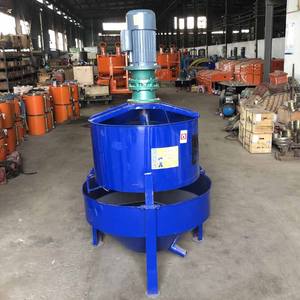
Fibers—whether polypropylene, steel, or even coconut—are added to improve tensile strength and impact resistance. But tossing fibers into a mix isn’t enough. Without proper concrete additives, fibers clump, settle, or create weak spots.
That’s where plasticizer for concrete and air entraining admixtures come in. Air entraining concrete introduces microscopic air bubbles that act as pressure relief valves during freeze-thaw cycles—essential for homes in colder climates. Meanwhile, plasticizer admixture ensures the fiber-reinforced concrete flows evenly during manufacturing.
Modern fiber reinforced concrete mixes often combine macro fibers (for crack control) with microfibers (for surface integrity). Add a concrete accelerator to speed curing, or a concrete retarder if you’re working in hot weather, and you’ve got a tailor-made recipe for resilience.
6. Bonus Perks: Color, Release, and Speed
Want charcoal-stained concrete siding that looks like reclaimed barn wood? Colored concrete powders and tinted release agents make it possible. Concrete release agents—spray or powder—prevent panels from sticking to molds while adding subtle color variations that mimic natural timber.
And thanks to fast curing concrete additives and accelerating admixtures for concrete, manufacturers can cut curing time dramatically. This not only boosts output but also lowers energy costs—making concrete siding more affordable (concrete siding cost has dropped nearly 20% in the last decade, partly due to smarter admixtures).
7. Conclusion
From superplasticizer admixture to crystalline waterproofing admixture, the world of concrete chemicals is quietly transforming how we build homes. Fiber cement siding—once a utilitarian alternative—is now a design-forward, durable, and eco-friendly cladding choice, all thanks to the right blend of admixtures.
So next time you admire a house with ‘wood’ siding that never needs painting, tip your hat to the unsung heroes in the mix: the concrete admixtures working behind the scenes to make beauty and brawn coexist.
Our Website founded on October 17, 2012, is a high-tech enterprise committed to the research and development, production, processing, sales and technical services of ceramic relative materials such as How. Our products includes but not limited to Boron Carbide Ceramic Products, Boron Nitride Ceramic Products, Silicon Carbide Ceramic Products, Silicon Nitride Ceramic Products, Zirconium Dioxide Ceramic Products, etc. If you are interested, please feel free to contact us.