Professional solutions on concrete addtives, Concrete Foaming Agent, Superplasticizer, CLC Blocks Additives, and foaming machine

7 Must-Know Types of Concrete Admixtures and How They Transform Modern Construction
1. Introduction
Just 24 hours ago, a major infrastructure project in Texas announced it would use advanced polycarboxylate-based superplasticizers to reduce cement content by 15% while maintaining strength—part of a broader industry shift toward greener concrete. This move highlights how critical admixtures have become in modern construction.
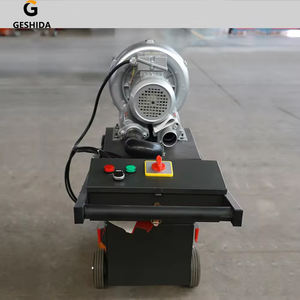
Concrete isn’t just cement, sand, and water anymore. Today’s high-performance structures rely on precisely engineered concrete admixtures to enhance workability, durability, and sustainability. Whether you’re pouring a driveway or building a skyscraper, the right admixture can make or break your project.
In this deep dive, we’ll compare and analyze seven essential admixture types, unpacking their unique properties, advantages, drawbacks, and ideal use cases. From superplasticizers to fiber reinforcement, here’s what every builder, engineer, and DIYer needs to know.
2. Superplasticizers: The Game-Changer for High-Strength Concrete
Superplasticizers—also called high-range water reducers—are among the most transformative concrete chemicals ever developed. They dramatically increase fluidity without adding extra water, which preserves strength and reduces cracking.
2.1 Naphthalene vs. Polycarboxylate Superplasticizers
Naphthalene-based superplasticizers (SNF) were dominant for decades. They’re cost-effective and work well in standard mixes but lose effectiveness quickly—often within 30–60 minutes.
Polycarboxylate ether (PCE) superplasticizers, however, offer superior slump retention, lower dosage requirements, and better compatibility with modern cements. That’s why PCE is now the go-to for self-consolidating concrete and precast applications.
- PCE superplasticizer allows up to 40% water reduction
- SNF may cause rapid slump loss in hot weather
- PCE is more eco-friendly and enables lower CO₂ footprints
3. Air-Entraining Admixtures: Freeze-Thaw Defense
Air entraining concrete contains billions of microscopic air bubbles that act as pressure relief valves during freeze-thaw cycles. Without them, water expands as it freezes and cracks the concrete from within.
Air entraining admixtures (or air entraining agents) are essential in cold climates. They’re not just for roads—they’re used in bridges, parking garages, and even residential slabs exposed to winter weather.
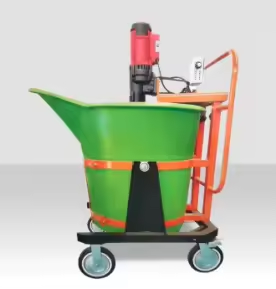
Key benefit: Improved durability without sacrificing compressive strength when dosed correctly (typically 4–7% air content). Overuse, however, can weaken the mix.
4. Waterproofing Admixtures: Beyond Surface Coatings
Forget waiting for leaks to happen. Integral waterproofers like crystalline waterproofing admixtures react with moisture and unhydrated cement to form insoluble crystals that block capillaries permanently.
These concrete waterproofing additives are ideal for basements, tunnels, and water tanks. Unlike topical sealers, they work from within and last the life of the structure.
Popular options include cement waterproofing additives and hydrophobic pore blockers. For DIYers, products like Chryso admixture or Certainteed concrete siding treatments often include built-in waterproofing chemistry.
5. Accelerators and Retarders: Controlling Cure Time
Concrete accelerator admixtures speed up early strength gain—critical for fast-track projects or cold-weather pours. Calcium chloride is common but corrosive; non-chloride alternatives are safer for reinforced concrete.
On the flip side, concrete retarder admixtures delay setting, useful in hot climates or for large continuous pours. Surface retarder concrete techniques even allow decorative stamping by keeping the surface workable longer.
Pro tip: Never guess dosage. Too much accelerator can cause flash set; too much retarder may prevent full curing.
6. Fiber Reinforcement: From Micro to Macro
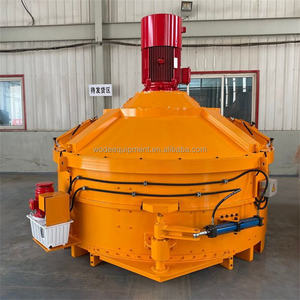
Fibers for concrete aren’t just filler—they’re functional reinforcement. Polypropylene fibres for concrete control plastic shrinkage cracks, while steel fibers for concrete boost impact resistance and post-crack ductility.
Modern options include carbon fiber reinforced concrete for ultra-high performance and even coconut fiber concrete for sustainable builds. Fibermesh concrete systems blend multiple fiber types for balanced performance.
Note: Fibers complement—but don’t replace—traditional rebar in structural elements. But for slabs, overlays, and shotcrete, fiber reinforced concrete often eliminates secondary reinforcement.
7. Foaming Agents and Specialty Additives
Foaming agents for foam concrete create lightweight cellular concrete (aircrete) used in insulation blocks and void filling. Protein-based foaming agents yield stable, fine-cell structures, while synthetic types offer consistency at scale.
Other niche additives include colored concrete powders for stamped patios, white cement for aesthetic finishes, and release agents that prevent sticking during formwork removal.
DIYers often search for ‘homemade foaming agent for concrete’ or ‘spray release agent,’ but commercial products ensure reliability and safety.
8. Conclusion
The best admixture for concrete depends entirely on your project’s demands. Need flow? Go PCE superplasticizer. Building in Minnesota? Don’t skip air entraining. Pouring a basement? Crystalline waterproofing admixture is a smart investment.
As the industry moves toward low-carbon, durable, and smart concrete, admixtures will only grow in importance. Understanding these concrete additives isn’t optional—it’s essential for anyone serious about modern construction.
Our Website founded on October 17, 2012, is a high-tech enterprise committed to the research and development, production, processing, sales and technical services of ceramic relative materials such as 7. Our products includes but not limited to Boron Carbide Ceramic Products, Boron Nitride Ceramic Products, Silicon Carbide Ceramic Products, Silicon Nitride Ceramic Products, Zirconium Dioxide Ceramic Products, etc. If you are interested, please feel free to contact us.