Professional solutions on concrete addtives, Concrete Foaming Agent, Superplasticizer, CLC Blocks Additives, and foaming machine

Master the Essentials of Admixtures to Build Smarter, Stronger Concrete
1. Introduction
Just 24 hours ago, a major breakthrough in sustainable construction was announced: a new generation of polycarboxylate ether (PCE)-based superplasticizers has been developed to reduce cement usage by up to 30% without compromising strength. This innovation highlights how modern admixtures are not just performance enhancers—they’re key players in greener building practices. Whether you’re a contractor, engineer, or DIY enthusiast, understanding admixtures is essential for smarter concrete design.
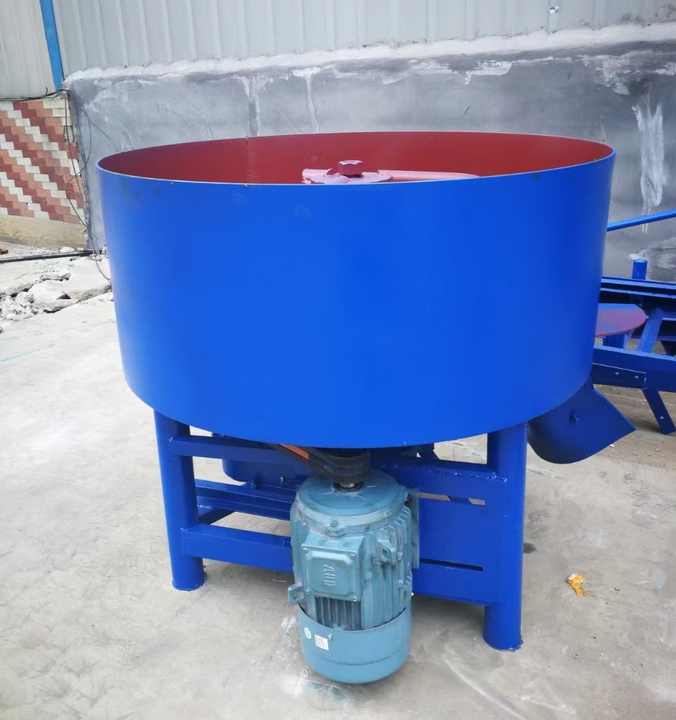
Admixtures—often called concrete additives—are materials added to concrete before or during mixing to modify its properties. They can improve workability, accelerate or delay setting time, increase durability, or add water resistance. With countless options like superplasticizer, air entraining admixture, and integral waterproofer, choosing the right one can make or break your project.
2. What Are Admixtures?
Admixtures are chemical or mineral ingredients blended into concrete to achieve specific performance goals. Unlike aggregates or cement, they’re used in small quantities—but their impact is massive. The term ‘ad mixtures’ is sometimes used informally, but professionals refer to them as ‘concrete admixtures‘ or ‘cement admixtures.’
These additives fall into two broad categories: chemical admixtures (like superplasticizers and retarders) and mineral admixtures (such as fly ash or silica fume). Both types help tailor concrete to environmental conditions, structural demands, and aesthetic preferences.
3. Major Types of Concrete Admixtures
3.1 Water-Reducing Admixtures
Water reducing admixtures, including mid-range and high-range variants, allow you to cut water content while maintaining workability. A concrete water reducer improves strength and durability by lowering the water-cement ratio. Superplasticizers—also known as high-range water reducers—are the most powerful in this class.
Superplasticizer in concrete, especially PCE-based types, offers exceptional flow without segregation. These super plasticizers are ideal for self-consolidating concrete or complex forms. When someone asks for the best admixture for concrete in high-performance applications, superplasticizer admixture is often the answer.
3.2 Set-Modifying Admixtures
Need faster results? Accelerating admixtures for concrete shorten curing time—perfect for cold weather or fast-track projects. A concrete accelerator reduces waiting periods and boosts early strength. On the flip side, a concrete retarder or admixture retarder delays setting, useful in hot climates or long hauls.
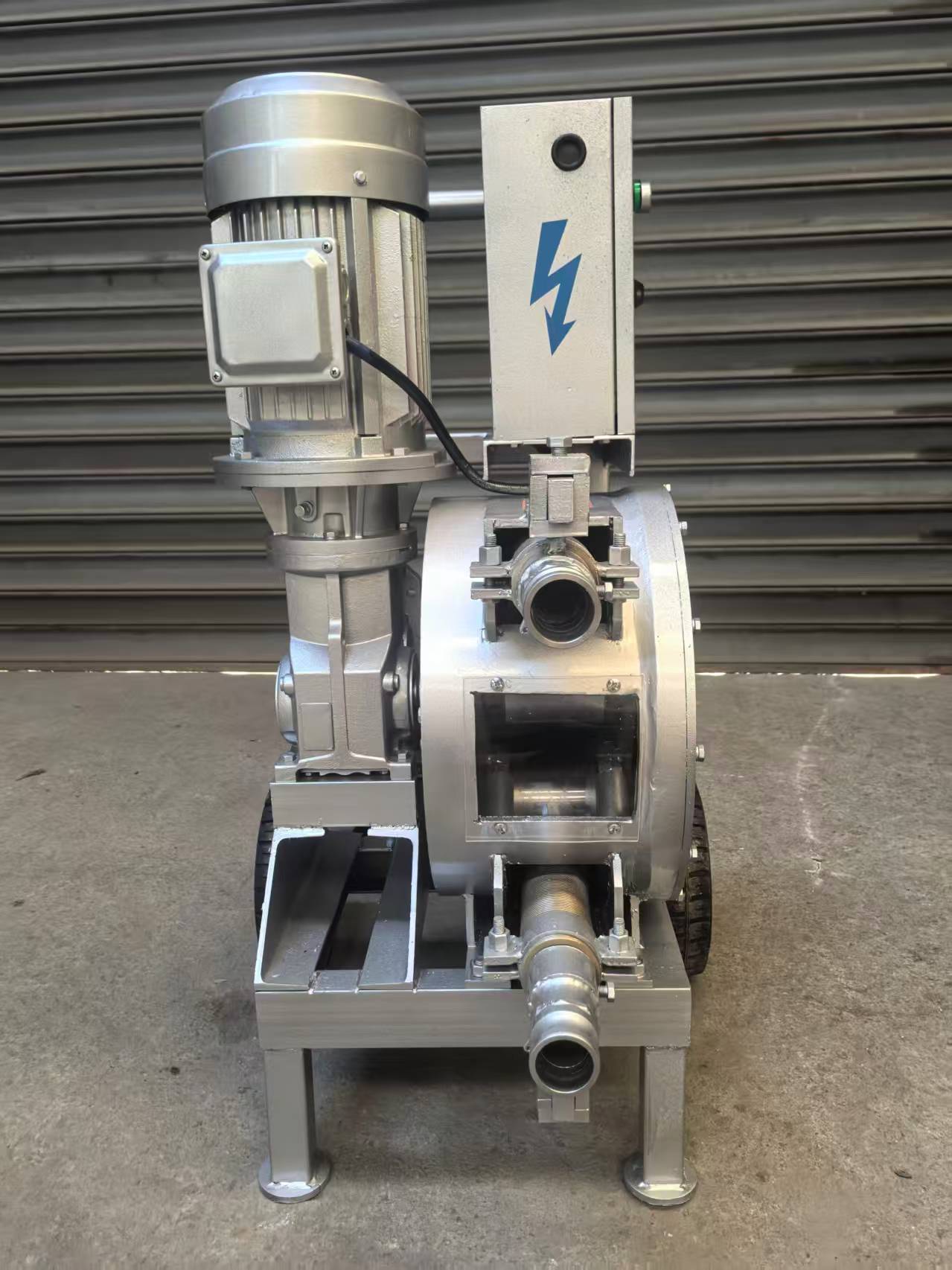
Surface retarder concrete is a specialty type used in exposed aggregate finishes, where only the surface layer is delayed to allow washing away of top cement paste.
3.3 Air-Entraining Admixtures
Air entraining concrete contains microscopic air bubbles that improve freeze-thaw resistance. An air entraining admixture (or air entraining agent) introduces these bubbles during mixing. This is critical in regions with harsh winters. Don’t confuse it with foaming agents—it’s about durability, not lightweight structure.
3.4 Waterproofing Admixtures
For basements, tanks, or wet areas, waterproofing admixture options include integral waterproofers and crystalline waterproofing admixture. These concrete waterproofing additives react with moisture to form insoluble crystals that block capillaries. Cement waterproofing additive and admixture waterproofing systems eliminate the need for external membranes in many cases.
4. Fiber Reinforcement and Specialty Additives
Fibers for concrete—like polypropylene fibres for concrete, steel fibers for concrete, or even coconut fiber reinforced concrete—add tensile strength and crack control. Fiber reinforced concrete is now standard in industrial floors, pavements, and even siding.
Speaking of siding, concrete fiber siding (also called fibercement siding) combines cement, sand, and cellulose or synthetic fibers. Brands like Hardie and CertainTeed offer concrete siding that looks like wood, with options available at Home Depot. Concrete siding cost varies, but its durability and fire resistance make it a smart long-term investment for a concrete siding house.
Macro fibers and microfibers serve different purposes: macro for structural reinforcement, micro for plastic shrinkage control. Whether it’s carbon fiber reinforcement in concrete or PP fiber concrete, these additives enhance toughness without traditional rebar.
5. Other Key Concrete Chemicals
Beyond performance, aesthetics matter too. Colored concrete uses pigments and release agents—like powder release agent for concrete or water-based release agent—to create stamped concrete colors and patterns. From charcoal stamped concrete to terra cotta concrete color, the palette is vast.
Foaming agents are another niche category. A concrete foaming agent (e.g., protein-based or synthetic) creates cellular concrete for lightweight blocks. CLC foaming agent price and availability vary, but they’re essential for foamcrete machines and aircrete production.
White cement is also gaining traction for decorative work. Used in white concrete countertops or as a base for tinted finishes, white Portland cement offers a clean canvas for architects and designers.
6. Choosing the Right Admixture
The best admixture for concrete depends on your project’s needs:
- High flow? Go for polycarboxylate superplasticizer.
- Cold weather? Use accelerating admixtures for concrete.
- Wet environment? Pick a crystalline waterproofing admixture.
- Crack resistance? Add polypropylene fibre or steel fiber reinforced concrete.
Always consult technical data sheets (sometimes called bio data sheets) and consider compatibility with other concrete chemicals. Brands like Chryso offer specialized formulations tailored to regional standards.
7. Conclusion
Admixtures have revolutionized modern concrete—from skyscrapers to backyard patios. Whether you’re using a concrete plasticiser to boost workability, an air entraining cement for durability, or a concrete waterproof admix for basements, these additives unlock precision and performance. As new eco-friendly formulas like next-gen PCE superplasticizers hit the market, staying informed ensures your builds are not just strong, but sustainable too.
Our Website founded on October 17, 2012, is a high-tech enterprise committed to the research and development, production, processing, sales and technical services of ceramic relative materials such as Master. Our products includes but not limited to Boron Carbide Ceramic Products, Boron Nitride Ceramic Products, Silicon Carbide Ceramic Products, Silicon Nitride Ceramic Products, Zirconium Dioxide Ceramic Products, etc. If you are interested, please feel free to contact us.