Professional solutions on concrete addtives, Concrete Foaming Agent, Superplasticizer, CLC Blocks Additives, and foaming machine

Admixtures Are Revolutionizing Modern Concrete—Here’s Everything You Need to Know
1. Introduction
Just 24 hours ago, a major breakthrough was announced by a leading European construction materials firm: a new generation of polycarboxylate ether (PCE)-based superplasticizers that reduce water content by up to 40% while boosting early-strength development. This innovation highlights the rapidly evolving role of admixtures in sustainable, high-performance concrete. As global infrastructure demands grow, understanding admixtures has never been more critical for engineers, contractors, and DIY builders alike.
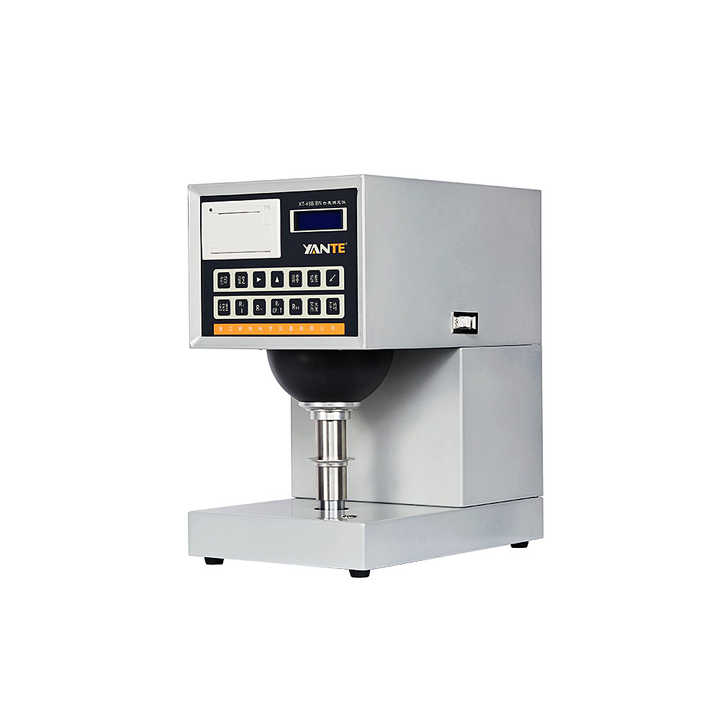
Concrete isn’t just cement, sand, and water anymore. Today’s mixes are precision-engineered with concrete additives—known as admixtures—that fine-tune everything from workability to curing time and weather resistance. Whether you’re pouring a driveway, building a skyscraper, or installing modern concrete siding, the right admixture can make all the difference.
2. What Are Admixtures?
Admixtures are chemical or mineral ingredients added to concrete before or during mixing to modify its properties. These concrete chemicals serve specific purposes—like speeding up curing, reducing water use, or adding air bubbles for freeze-thaw resistance. The term ‘ad mixtures’ is sometimes used informally, but industry professionals refer to them as ‘concrete admixtures’ or ‘cement admixtures.’
Modern concrete simply wouldn’t meet today’s performance standards without these additives. From highways to high-rises, admixtures ensure durability, efficiency, and design flexibility.
3. Major Types of Concrete Admixtures
There are dozens of admixture types, but they generally fall into a few core categories based on function:
- Water reducing admixtures (including mid-range and high-range water reducers like superplasticizers)
- Accelerating admixtures for concrete (to shorten setting time)
- Concrete retarder admixtures (to delay hardening in hot weather)
- Air entraining admixtures (which create microscopic air bubbles)
- Waterproofing admixtures (such as integral waterproofer and crystalline systems)
- Mineral admixtures (like fly ash or silica fume)
- Fiber reinforcement (polypropylene, steel, or even coconut fibers)
Each type addresses a unique challenge in concrete placement, curing, or long-term performance.
4. Superplasticizers: The Game-Changer in Concrete Workability
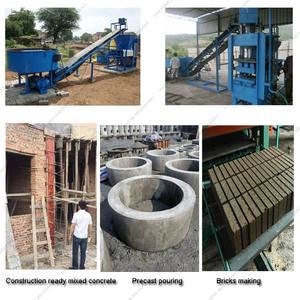
Among the most widely used concrete additives are superplasticizers—also called high-range water reducers. These include polycarboxylate ether (PCE), naphthalene-based, and melamine sulfonate formulations. A superplasticizer in concrete can slash water content by 15–40% without sacrificing flow, resulting in stronger, denser, and more durable structures.
The best superplasticizer for concrete today is often PCE-based due to its superior slump retention and compatibility with modern cements. Brands like Chryso admixture offer advanced superplasticizer admixtures tailored for everything from precast elements to self-consolidating concrete.
Superplasticizers are essential for achieving high-strength mixes, reducing cement usage (and carbon footprint), and enabling complex architectural forms. They’re also commonly sold as ‘plasticizer for concrete’ or ‘concrete plasticiser’ in retail settings like Home Depot.
5. Waterproofing and Durability Enhancers
Water is concrete’s biggest enemy over time. That’s why waterproofing admixtures are crucial. Options include cement waterproofing additive, concrete waterproof admix, and crystalline waterproofing admixture—each working differently to block moisture penetration.
Integral waterproofers react chemically within the matrix, while crystalline systems grow needle-like crystals that seal capillaries. These admixture waterproofing solutions are far more reliable than surface coatings alone, especially in basements, tunnels, and marine environments.
6. Air Entraining and Freeze-Thaw Protection
In cold climates, air entraining concrete is non-negotiable. An air entraining admixture introduces billions of tiny, stable air bubbles that act as pressure relief valves when water freezes and expands inside the concrete.
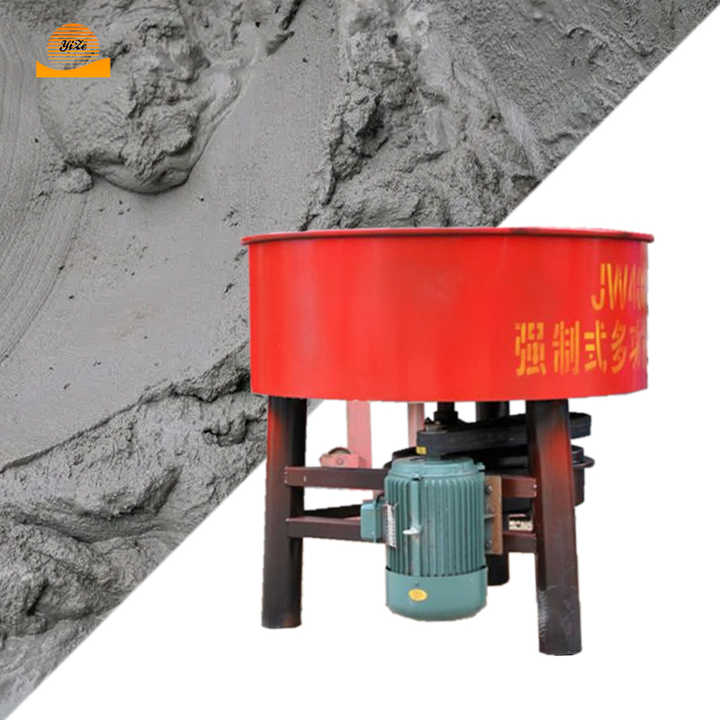
This technique—using an air entraining agent or air entraining cement—dramatically improves resistance to scaling and cracking. It’s standard practice in roads, bridges, and parking decks across North America and Europe.
7. Fiber Reinforcement: Beyond Steel Rebar
Fibers for concrete—ranging from polypropylene fibres for concrete to steel fibers for concrete and even carbon fiber reinforcement in concrete—are transforming structural integrity. Fiber reinforced concrete resists cracking, improves impact resistance, and reduces the need for traditional rebar in many applications.
Popular products like Fibermesh concrete use macro fibers or microfibers to enhance toughness. Even natural options like coconut fiber reinforced concrete are gaining traction in eco-friendly builds. Whether you’re using fiber for concrete mix in sidewalks or steel fiber reinforced concrete in industrial floors, reinforcement fiber for concrete adds long-term value.
8. Specialty Additives: From Foaming Agents to Colorants
Beyond performance, admixtures also enable aesthetic and lightweight solutions. Concrete foaming agents—protein-based or synthetic—are key in producing foam concrete, CLC blocks, and aircrete. These foaming agents used in foam concrete create ultra-lightweight, insulating materials ideal for non-load-bearing walls.
On the visual side, colored concrete relies on pigments and release agents. Stamped concrete colors—from charcoal to terra cotta—are applied with powder release agents or spray release to mimic stone, brick, or wood. Modern concrete siding, including Hardie and CertainTeed brands, often uses fiber cement siding that looks like wood but lasts decades longer.
9. Choosing the Best Admixture for Your Project
The best admixture for concrete depends on your climate, structural needs, and budget. For fast-setting repairs, accelerating admixtures for concrete cut curing time dramatically. In summer pours, a concrete retarder or surface retarder concrete prevents premature hardening. For waterproof basements, a crystalline waterproofing admixture for concrete offers permanent protection.
Always consult technical data sheets (sometimes called bio data sheets) and consider compatibility with your cement type—especially when using white cement, which requires specially formulated additives.
10. Conclusion
From superplasticizer admixture innovations to fiber-reinforced durability and smart waterproofing, admixtures are the invisible heroes of modern concrete. Whether you’re a contractor optimizing a mix design or a homeowner choosing concrete siding for homes, understanding these concrete chemicals empowers better, longer-lasting results. As new formulations emerge—like next-gen PCE superplasticizers and bio-based foaming agents—the future of concrete is not just stronger, but smarter.
Our Website founded on October 17, 2012, is a high-tech enterprise committed to the research and development, production, processing, sales and technical services of ceramic relative materials such as Admixtures. Our products includes but not limited to Boron Carbide Ceramic Products, Boron Nitride Ceramic Products, Silicon Carbide Ceramic Products, Silicon Nitride Ceramic Products, Zirconium Dioxide Ceramic Products, etc. If you are interested, please feel free to contact us.