Professional solutions on concrete addtives, Concrete Foaming Agent, Superplasticizer, CLC Blocks Additives, and foaming machine

10 Essential Things You Need to Know About Admixtures in Modern Concrete Construction
1. Introduction
Just 24 hours ago, the American Concrete Institute (ACI) released updated guidelines emphasizing the critical role of high-performance admixtures in sustainable infrastructure—highlighting innovations like polycarboxylate ether-based superplasticizers and crystalline waterproofing systems. As climate resilience and material efficiency become top priorities, understanding admixtures is no longer optional for builders, engineers, or DIY enthusiasts.

Admixtures are materials added to concrete before or during mixing to modify its properties. Whether you’re pouring a driveway, constructing a skyscraper, or installing modern concrete siding, the right admixture can dramatically improve workability, strength, curing time, and longevity.
2. What Are Admixtures?
Admixtures—sometimes spelled ‘ad mixtures’—are chemical or mineral ingredients blended into concrete mixes to achieve specific performance goals. These concrete additives go beyond basic cement, water, and aggregates to fine-tune everything from setting speed to freeze-thaw resistance.
There are two broad categories: chemical admixtures (like superplasticizers and accelerators) and mineral admixtures (such as fly ash or silica fume). The choice depends on your project’s environmental conditions, structural demands, and aesthetic goals.
3. Common Types of Concrete Admixture
Concrete admixture types fall into several functional groups. Here are the most widely used:
- Water reducing admixtures (including mid-range and high-range water reducers like superplasticizers)
- Concrete accelerator and concrete retarder formulations
- Air entraining admixture for freeze-thaw durability
- Waterproofing admixture (e.g., integral waterproofer or crystalline waterproofing admixture)
- Fiber reinforcement (polypropylene, steel, or even coconut fiber for concrete)
- Foaming agents for lightweight cellular concrete (clc foaming agent, protein-based or synthetic)
- Color and release agents for decorative stamped concrete
Each serves a unique purpose, and many modern mixes combine multiple admixtures for optimal results.
4. Superplasticizers: The Game-Changer in Concrete Workability
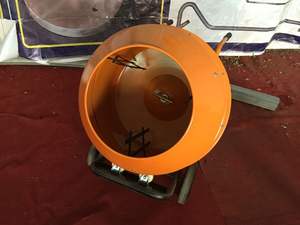
Superplasticizer (also called super plasticizers or high-range water reducers) is arguably the most impactful concrete chemical in recent decades. A superplasticizer in concrete allows for significant water reduction—up to 40%—without sacrificing flow, leading to higher strength and lower permeability.
Polycarboxylate ether (PCE)-based superplasticizers are now the industry standard, replacing older naphthalene or melamine sulfonate types. They offer better slump retention, compatibility with various cements, and eco-friendlier profiles. When people ask for the best admixture for concrete in high-strength applications, superplasticizer admixture is often the answer.
5. Accelerators, Retarders, and Timing Control
Need fast curing concrete additives? Concrete accelerator products shorten setting time—ideal for cold weather or emergency repairs. Conversely, a concrete retarder admixture delays hydration, useful in hot climates or large pours where workability must last longer.
Surface retarder concrete is another niche option, used in exposed-aggregate finishes. Both accelerating admixtures for concrete and admixture retarder types give contractors precise control over concrete accelerator curing time.
6. Waterproofing and Durability Enhancers
Waterproof admix like integral waterproofer or cement waterproofing additive helps prevent moisture ingress, crucial for basements, bridges, and roofing. Crystalline waterproofing admixture reacts with water and unhydrated cement to form insoluble crystals that block capillaries—a self-sealing, long-term solution.
These waterproofing admixture for concrete options are increasingly specified in green building codes due to their ability to extend service life without external membranes.
7. Fiber Reinforcement: Beyond Steel Rebar
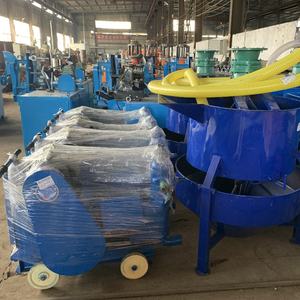
Fibers for concrete—whether polypropylene fibres for concrete, steel fibers for concrete, or carbon fiber reinforcement in concrete—add tensile strength, reduce cracking, and improve impact resistance. Fiber reinforced concrete is now common in industrial floors, shotcrete, and even residential concrete siding.
Popular choices include pp fiber concrete for crack control and macro fibers for structural enhancement. Brands like Hardie and CertainTeed use fiberfor concrete mixes in their fibercement siding products, which mimic wood grain at a fraction of the maintenance cost.
8. Foaming Agents and Lightweight Concrete
Foaming agent for foam concrete enables the creation of cellular lightweight concrete (CLC), used in insulation blocks and non-load-bearing walls. CLC foaming agent price varies by type—protein-based foaming agents offer stability, while synthetic versions provide consistency.
Whether you’re using a concrete foaming machine or a DIY mix, the right foaming agent used in concrete ensures uniform air cells and optimal density.
9. Color, Finish, and Aesthetic Additives
Colored concrete has exploded in popularity, thanks to colored concrete powder, stamp release agents, and tinted sealers. Stamped concrete colors range from charcoal and terra cotta to white and blue, with patterns mimicking stone, brick, or wood.
Concrete release agent—available as spray, oil, or powder—prevents sticking during stamping. For homeowners seeking concrete siding that looks like wood, modern concrete siding options from Home Depot or specialty manufacturers blend realism with durability.
10. Choosing the Right Admixture for Your Project
Selecting the best admixture for concrete depends on your goals: need flow? Go for a superplasticizer. Worried about leaks? Consider a crystalline waterproofing admixture. Building in winter? Use accelerating admixtures for concrete. Always consult technical data sheets (sometimes called bio data sheets) and consider compatibility with your cement type—especially when using white cement, which often requires tailored admixtures.
Many suppliers, including Chryso and others, offer custom blends. And remember: even small dosages of the right admixture chemical can transform ordinary concrete into a high-performance material.
11. Conclusion
From superplasticizer admixture to fiber reinforcement and waterproof admix, modern concrete is anything but basic. As sustainability and performance drive innovation, admixtures will continue to play a central role in smarter, longer-lasting construction. Whether you’re a contractor or a homeowner planning a patio or concrete siding house upgrade, understanding these concrete chemicals empowers better decisions—and better builds.
Our Website founded on October 17, 2012, is a high-tech enterprise committed to the research and development, production, processing, sales and technical services of ceramic relative materials such as 10. Our products includes but not limited to Boron Carbide Ceramic Products, Boron Nitride Ceramic Products, Silicon Carbide Ceramic Products, Silicon Nitride Ceramic Products, Zirconium Dioxide Ceramic Products, etc. If you are interested, please feel free to contact us.