Professional solutions on concrete addtives, Concrete Foaming Agent, Superplasticizer, CLC Blocks Additives, and foaming machine

Admixtures Are the Secret Sauce That Makes Modern Concrete Sing—And Sometimes Fly
1. Introduction
Just 24 hours ago, engineers in Dubai unveiled a new high-rise that uses self-healing concrete infused with crystalline waterproofing admixtures—cutting maintenance costs by an estimated 40%. This breakthrough highlights how far concrete technology has come, thanks largely to one thing: admixtures.
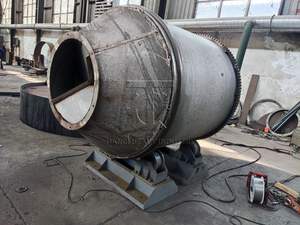
Forget plain gray slabs. Today’s concrete is smarter, stronger, and sometimes even sparkly (looking at you, white cement countertops). And behind every performance upgrade? A carefully dosed cocktail of concrete chemicals known as admixtures.
2. What Exactly Are Admixtures?
Admixtures—sometimes spelled ‘ad mixtures’ (though your chemistry teacher might side-eye you)—are ingredients added to concrete before or during mixing to modify its properties. Think of them as the flavor enhancers of the construction world: a pinch here, a dash there, and suddenly your concrete cures faster, flows smoother, or repels water like a duck’s back.
These aren’t afterthoughts—they’re engineered solutions. Whether you’re pouring a driveway or building a dam, the right admixture used in concrete can mean the difference between a crack-free masterpiece and a crumbling disaster.
3. Major Admixture Types and Their Superpowers
3.1 Water-Reducing Admixtures
Water reducing admixtures are the OGs of concrete enhancement. They let you slash water content while keeping workability intact—boosting strength without sacrificing pourability. The best-known among them? Superplasticizers.
Superplasticizer in concrete—also called high-range water reducers—can cut water by up to 40%. Polycarboxylate ether (PCE) superplasticizers are today’s gold standard, offering superior slump retention and compatibility with modern cements. Naphthalene and melamine-based versions still have their place, but PCE-based superplasticizer admixtures dominate high-performance projects.
- Superplasticizer admixture improves flow without segregation
- Concrete water reducer enhances compressive strength
- Polycarboxylate concrete admixture enables ultra-high-performance mixes
3.2 Accelerators and Retarders: Time Wizards of Concrete
Need fast curing concrete additives because your client wants to park on the slab tomorrow? Enter concrete accelerator. These speed up hydration, slashing setting time—ideal for cold weather or emergency repairs.
On the flip side, concrete retarder admixtures buy you precious hours in hot climates or complex pours. Surface retarder concrete is even used in decorative stamped work to expose aggregates.
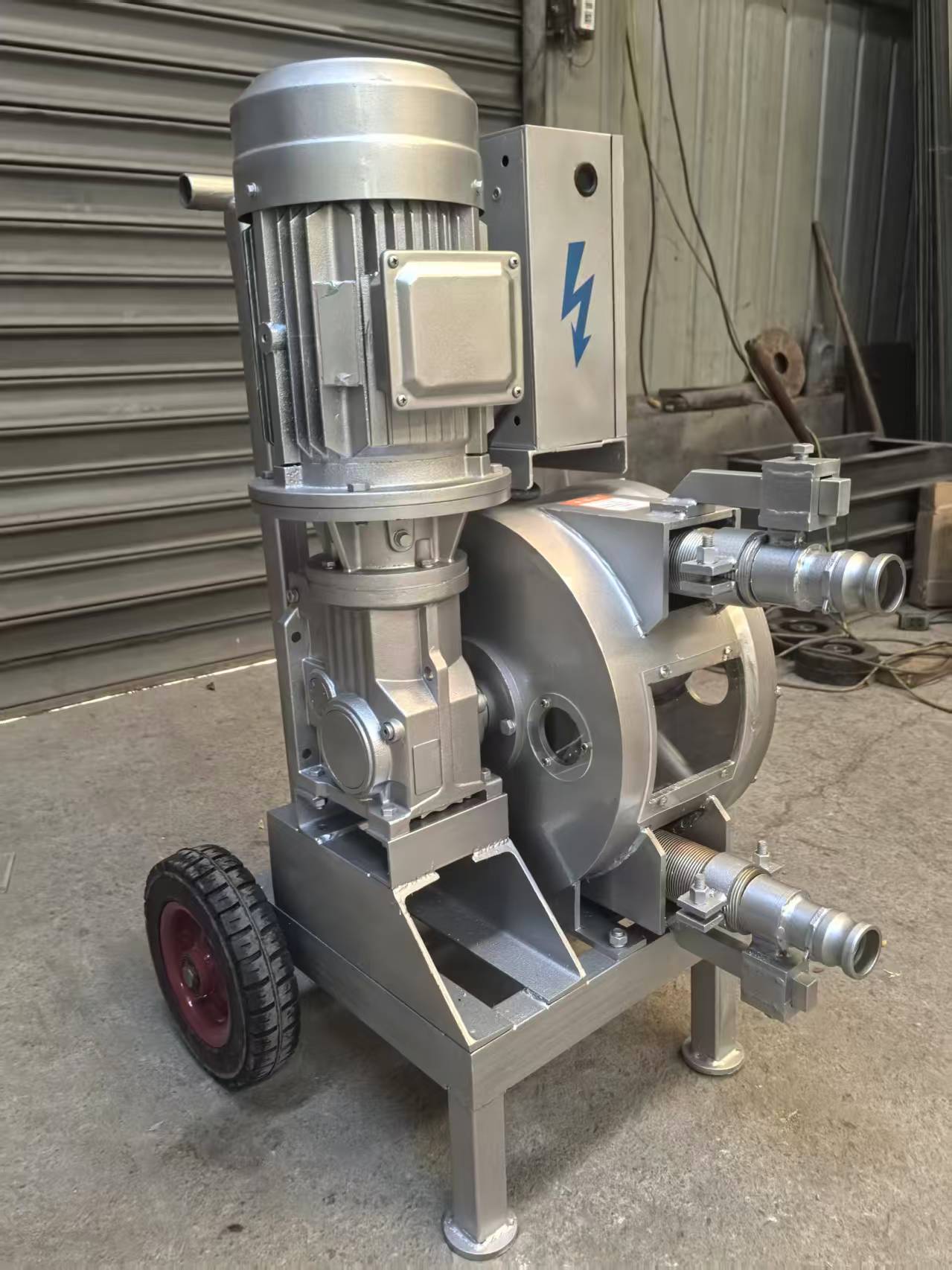
Fun fact: Some accelerating admixtures for concrete also double as anti-freeze agents. Multitasking at its finest!
3.3 Air Entraining Agents: Bubbles That Save Lives
Air entraining concrete contains microscopic air bubbles that act like tiny shock absorbers against freeze-thaw cycles. An air entraining admixture introduces these bubbles uniformly—critical for roads, bridges, and anything exposed to winter.
Don’t confuse this with foaming agents (more on those later). Air entraining is about durability, not lightness. Air entraining cement isn’t a myth—it’s code-compliant magic.
3.4 Waterproofing Admixtures: Keep the H2O Out
From basements to rooftops, waterproofing admixture for concrete is non-negotiable. Options include integral waterproofer types that react chemically within the matrix, and crystalline waterproofing admixture that grows crystals to block capillaries.
Cement waterproofing additive and concrete waterproof admix products turn porous slabs into moisture-resistant barriers. Bonus: many also double as corrosion inhibitors for rebar.
4. Fiber Reinforcement: When Concrete Needs a Six-Pack
Fibers for concrete aren’t just trendy—they’re transformative. Adding reinforcement fiber for concrete (polypropylene, steel, or even coconut fiber!) reduces cracking, boosts impact resistance, and eliminates the need for secondary mesh in some cases.
Steel fiber reinforced concrete handles heavy loads like a champ, while polypropylene fibres for concrete control plastic shrinkage. And yes, coconut fibre concrete is a real—and sustainable—thing gaining traction in eco-builds.
Fiber reinforced concrete mix is now standard in industrial floors, tunnels, and even concrete siding. Speaking of which…
5. Beyond Structure: Color, Form, and Foam
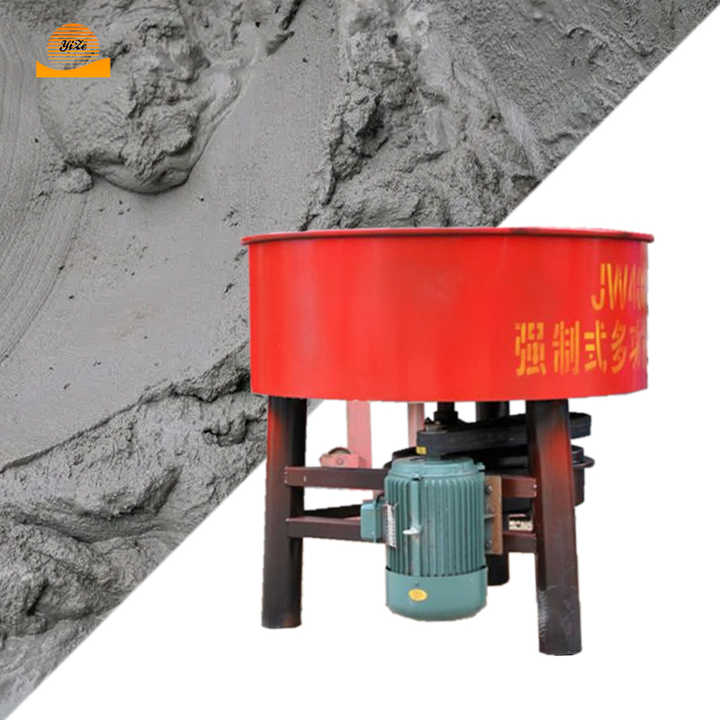
Colored concrete? Absolutely. With tinted concrete powders and stamp release agents, your patio can look like aged brick or weathered wood. Stamped concrete colors range from charcoal to terra cotta—and yes, even blue (we don’t judge).
Foam agents for lightweight concrete—like CLC foaming agent or protein-based foaming agent—create aircrete or foamcrete, used in insulation blocks and void fills. Best foaming agent for aircrete depends on stability and bubble uniformity, not price alone.
And let’s not forget white cement—a favorite for countertops, facades, and clean modern looks. White Portland cement mixed with superplasticizer yields brilliant, smooth finishes that scream ‘luxury’.
6. Choosing the Best Admixture for Concrete
There’s no universal ‘best admixture for concrete’—only the right one for your project. Need pumpability? Go superplasticizer. Pouring in July? Add a concrete retarder. Building seaside? Prioritize waterproofing admixture and corrosion inhibitors.
Brands like Chryso admixture offer tailored solutions, but always check compatibility with your cement type. And never eyeball dosage—too much plasticizer admixture can cause segregation; too little waterproof admix won’t seal the deal.
7. Conclusion
Admixtures have turned concrete from a humble binder into a high-tech material capable of self-healing, glowing in the dark, or mimicking century-old stone. Whether you’re a contractor, architect, or DIYer sourcing from Home Depot concrete siding aisles or specialty suppliers, understanding concrete admixture types empowers smarter builds.
So next time you walk on a smooth plaza or admire fiber cement siding that looks like wood, tip your hard hat to the invisible heroes: the concrete additives working behind the scenes.
Our Website founded on October 17, 2012, is a high-tech enterprise committed to the research and development, production, processing, sales and technical services of ceramic relative materials such as Admixtures. Our products includes but not limited to Boron Carbide Ceramic Products, Boron Nitride Ceramic Products, Silicon Carbide Ceramic Products, Silicon Nitride Ceramic Products, Zirconium Dioxide Ceramic Products, etc. If you are interested, please feel free to contact us.