Professional solutions on concrete addtives, Concrete Foaming Agent, Superplasticizer, CLC Blocks Additives, and foaming machine

What Are Admixtures and Why Are They Essential in Modern Concrete Construction?
1. Introduction
Just 24 hours ago, the global construction materials giant Chryso announced a breakthrough in eco-friendly superplasticizer technology aimed at reducing carbon emissions in concrete production—a timely reminder of how vital admixtures are in shaping the future of sustainable infrastructure. As builders and engineers seek stronger, more durable, and environmentally conscious solutions, admixtures have moved from optional additives to essential components in nearly every modern concrete mix.
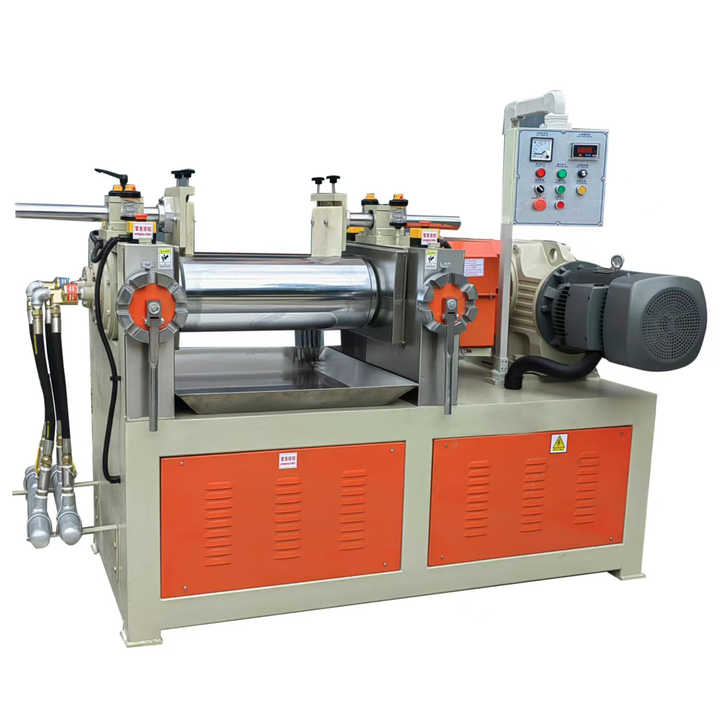
Admixtures—also spelled ‘ad mixtures’—are chemical or mineral ingredients added to concrete before or during mixing to modify its properties. Whether you’re pouring a driveway, constructing a skyscraper, or installing concrete siding on a home, the right admixture can dramatically improve performance, longevity, and aesthetics.
2. What Are Concrete Admixtures?
Concrete admixtures are substances other than water, aggregates, and cement that are added to concrete to enhance its characteristics. These concrete chemicals serve specific purposes: speeding up curing, slowing it down, improving flow, adding air bubbles for freeze-thaw resistance, or even making concrete waterproof.
The best admixture for concrete depends entirely on the project’s needs. For example, a cold-weather pour might require an accelerating admixture for concrete, while a large foundation slab may benefit from a concrete retarder to prevent premature setting.
3. Common Types of Admixtures Used in Concrete
There are dozens of admixture types, but they generally fall into two categories: chemical and mineral admixtures. Chemical admixtures include superplasticizers, retarders, accelerators, and air-entraining agents. Mineral admixtures—like fly ash or silica fume—improve long-term strength and reduce permeability.
- Water reducing admixtures (including mid-range and high-range water reducers) cut water content while maintaining workability.
- Superplasticizer admixtures, especially polycarboxylate ether (PCE)-based types, offer exceptional flow without segregation.
- Air entraining admixtures introduce microscopic air bubbles to protect against freeze-thaw damage—critical in northern climates.
- Waterproofing admixtures like crystalline waterproofing admixture or integral waterproofer help create watertight structures.
4. Superplasticizers: The Game-Changer in Concrete Workability
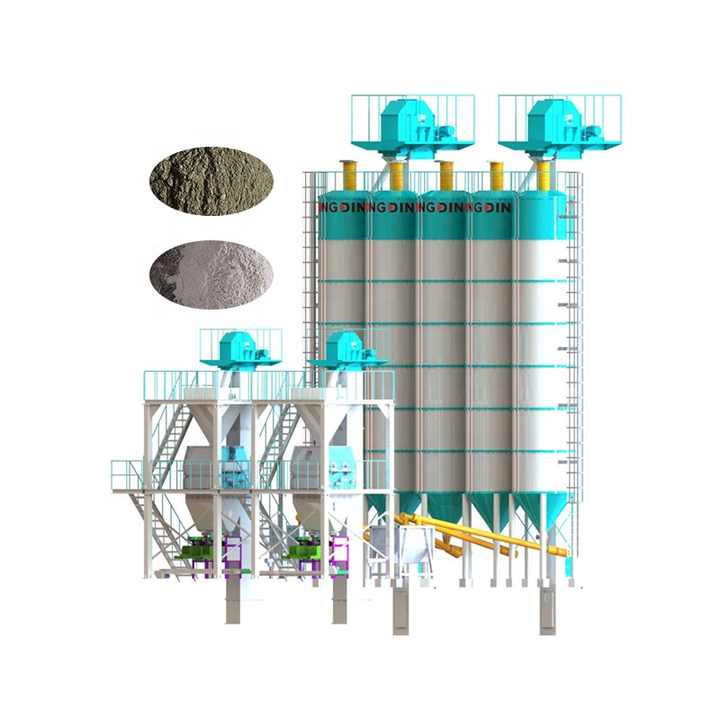
Among all concrete additives, superplasticizers stand out. Also known as super plasticizers or high-range water reducers, these admixtures allow for highly fluid yet strong concrete mixes with significantly less water.
Modern superplasticizer in concrete formulations—especially PCE-based superplasticizers—enables self-consolidating concrete that flows into complex forms without vibration. This not only speeds up construction but also improves finish quality and reduces labor costs.
Whether labeled as plasticizer for concrete, concrete plasticiser, or concrete water reducer, these products are indispensable in high-performance applications like bridges, tunnels, and precast elements.
5. Specialized Admixtures for Durability and Aesthetics
Beyond workability, admixtures address durability challenges. Air entraining concrete mixes use an air entraining agent to boost resilience in harsh weather. Concrete accelerator curing time can be slashed by up to 50% with fast curing concrete additives—ideal for emergency repairs or winter pours.
For waterproofing, options range from cement waterproofing additive to advanced crystalline systems that react with moisture to seal micro-cracks over time. These waterproof admix products are increasingly specified in basements, parking garages, and marine structures.
6. Fiber Reinforcement: Strength Beyond Steel
Fibers for concrete—such as polypropylene fibres for concrete, steel fibers for concrete, or even coconut fiber reinforced concrete—are gaining traction as secondary reinforcement. Fiber reinforced concrete resists cracking, improves impact resistance, and enhances toughness.
Homeowners choosing concrete siding often opt for fibercement siding (like Hardie or CertainTeed brands), which uses fiber reinforcement for durability and a wood-like appearance. Concrete fiber siding cost varies, but its low maintenance and fire resistance make it a smart long-term investment.
Macro fibers and microfibers both play roles: macro fibers control crack width, while concrete microfiber improves cohesion and reduces plastic shrinkage.
7. Other Functional Additives: Color, Release, and Foam
Colored concrete relies on pigments and release agents for stamped patterns. Stamped concrete colors—from charcoal to terra cotta—are applied using powder release agents or spray release agents to prevent sticking and add accent hues.
Foaming agents for foam concrete (like CLC foaming agent or protein-based foaming agents) create lightweight cellular concrete used in insulation blocks and void fills. The best foaming agent for aircrete balances stability, bubble size, and cost.
White cement, often used in decorative applications like white concrete countertops or white concrete pavers, pairs well with superplasticizers to maintain brightness without compromising strength.
8. Choosing the Right Admixture
Selecting the right admixture used in concrete starts with understanding your project’s environmental exposure, structural demands, and aesthetic goals. Always consult technical data sheets (sometimes called bio data sheets) from reputable suppliers like Chryso, Sika, or GCP Applied Technologies.
For DIYers, products like concrete superplasticizer additive or surface retarder concrete are available at retailers such as Home Depot—but proper dosage is critical. Overuse can lead to segregation, delayed setting, or reduced strength.
9. Conclusion
Admixtures are no longer just ‘add-ons’—they’re engineered solutions that define the performance, sustainability, and beauty of modern concrete. From superplasticizer admixture enabling ultra-high-strength mixes to waterproofing admixture for concrete ensuring decades of service life, these concrete additives empower builders to meet today’s toughest challenges. As innovations like low-carbon superplasticizers hit the market, the role of admixtures will only grow more central to the future of construction.
Our Website founded on October 17, 2012, is a high-tech enterprise committed to the research and development, production, processing, sales and technical services of ceramic relative materials such as What. Our products includes but not limited to Boron Carbide Ceramic Products, Boron Nitride Ceramic Products, Silicon Carbide Ceramic Products, Silicon Nitride Ceramic Products, Zirconium Dioxide Ceramic Products, etc. If you are interested, please feel free to contact us.