Professional solutions on concrete addtives, Concrete Foaming Agent, Superplasticizer, CLC Blocks Additives, and foaming machine

How Do You Choose the Right Admixtures for Your Concrete Project?
1. Introduction
Just 24 hours ago, a viral TikTok video showed a DIYer pouring concrete for a backyard patio—only to watch it crack like a dried-up lake bed within 48 hours. The culprit? No admixtures. Yep, they skipped the secret sauce of modern concrete. If you’ve ever wondered why your neighbor’s driveway looks like polished marble while yours resembles a dinosaur fossil, the answer probably lies in those mysterious bottles labeled ‘concrete chemicals.’
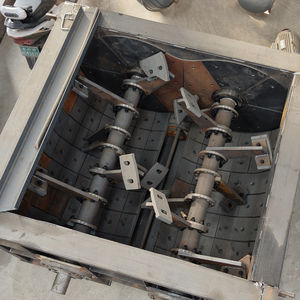
Admixtures aren’t just fancy extras—they’re essential tools that tweak concrete’s behavior like a DJ fine-tunes a beat. Whether you need faster curing, extra strength, or waterproofing that laughs at monsoons, there’s an admixture for that. So grab your hard hat (and maybe a coffee), because we’re diving into the surprisingly dramatic world of admixtures used in concrete.
2. Understanding Admixture Types
Before you start dumping random concrete additives into your mixer, let’s get familiar with the cast of characters. Not all admixtures play nice together, and using the wrong one is like putting hot sauce in your morning oatmeal—technically possible, but deeply unwise.
2.1 Water-Reducing Admixtures
These are the OGs of the concrete admixture world. Water reducing admixtures—also called concrete water reducers or plasticizers—let you cut back on water without sacrificing workability. Less water means stronger, denser concrete. Superplasticizer? That’s just the superhero version: a high-range water reducer that can slash water content by up to 30%. Look for terms like polycarboxylate ether (PCE) or naphthalene-based superplasticizer if you’re shopping online.
- Superplasticizer in concrete improves flow without adding water.
- Best for: High-strength pours, self-consolidating concrete, or tight rebar spacing.
2.2 Accelerators and Retarders
Running late on a project? Concrete accelerator cuts curing time dramatically—perfect for fast curing concrete additives when deadlines loom. On the flip side, concrete retarder (or surface retarder concrete) slows things down, giving you more time to finish intricate stamped patterns on a hot day.
- Concrete accelerator curing time can be reduced by 50% or more.
- Admixture retarder is ideal for large pours or tropical climates.
2.3 Air-Entraining Admixtures
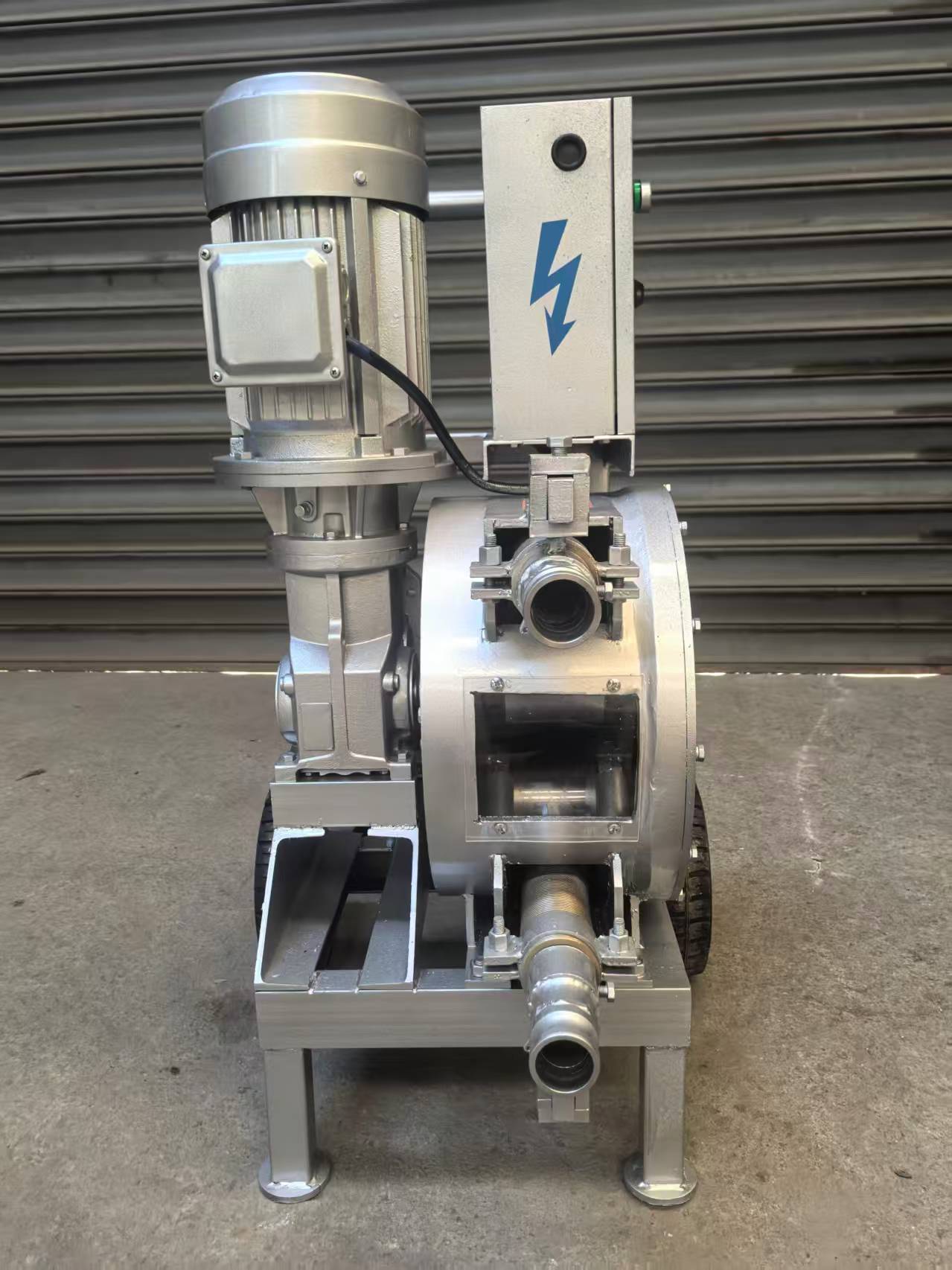
If your concrete will face freeze-thaw cycles (looking at you, Minnesota), air entraining admixture is non-negotiable. These create microscopic air bubbles that act like tiny shock absorbers when water expands during freezing. Don’t confuse this with foam—it’s not about lightness, it’s about survival.
- Air entraining agent prevents scaling and spalling in cold weather.
- Often labeled as air entraining concrete or air entraining cement.
2.4 Waterproofing Additives
From integral waterproofer to crystalline waterproofing admixture, these keep H2O out where it shouldn’t be. Cement waterproofing additive works from within, while concrete waterproof admix forms a barrier. For basements or water tanks, crystalline types are gold—they react with moisture to grow crystals that plug pores permanently.
- Waterproofing admixture for concrete is essential for below-grade structures.
- Avoid cheap ‘waterproof’ paints—they’re just temporary bandaids.
3. Fiber Reinforcement: The Unsung Hero
Ever heard of fiber reinforced concrete? It’s not sci-fi—it’s steel fibers, polypropylene fibres, or even coconut fiber concrete adding toughness. Fibers reduce cracking from shrinkage and boost impact resistance. Home Depot concrete siding? Much of it uses fiberfor concrete mix to stay lightweight yet durable.
- Polypropylene fibre is great for crack control in slabs.
- Steel fiber reinforced concrete handles heavy loads (think industrial floors).
- Coconut fibre concrete is niche but eco-friendly—just don’t expect skyscrapers.
4. Common Mistakes & How to Avoid Them
Mixing admixtures like a mad scientist rarely ends well. Here’s what not to do:
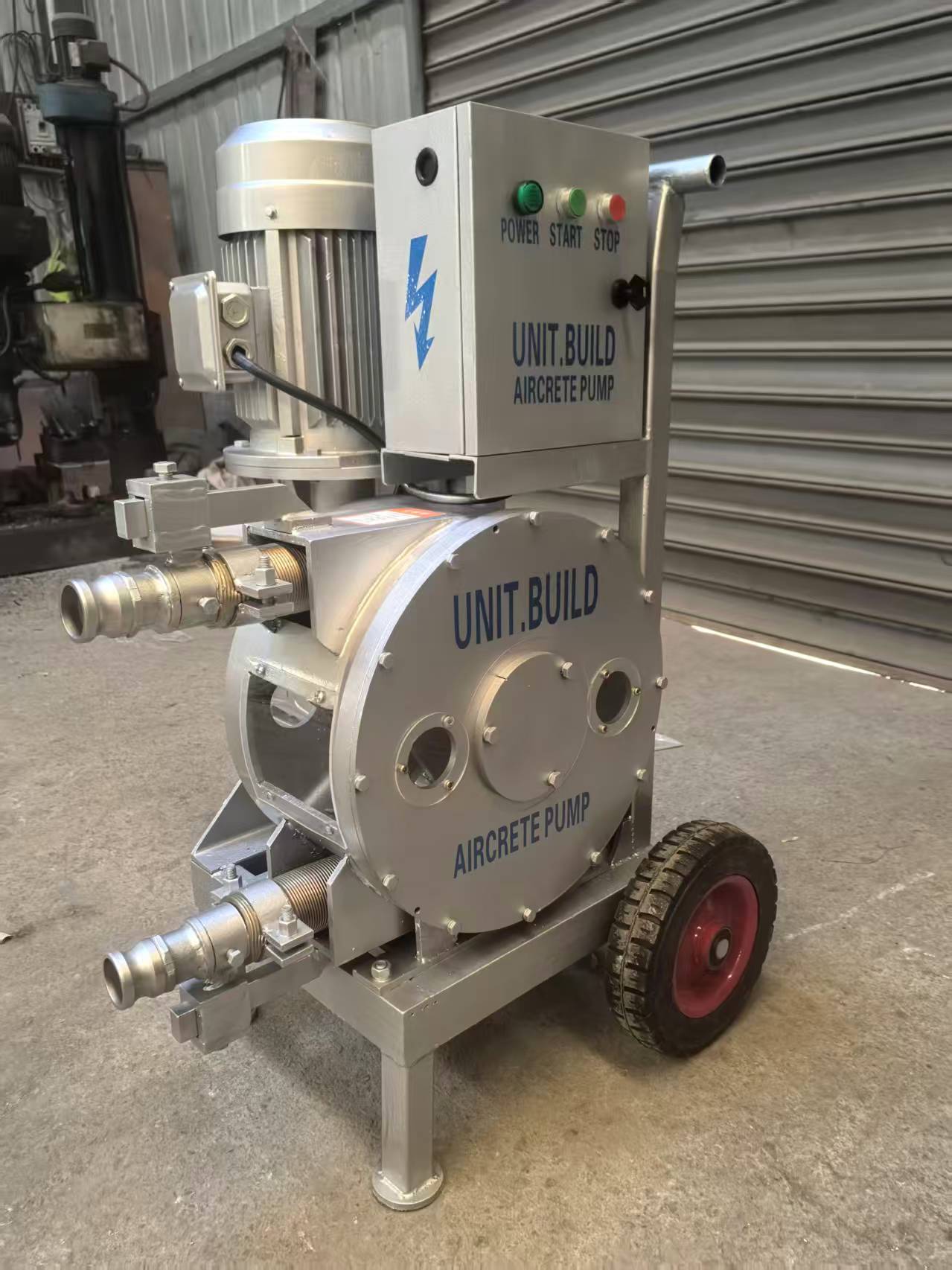
- Never combine accelerating admixtures for concrete with certain superplasticizers—they can neutralize each other.
- Don’t assume ‘more’ is better. Overdosing superplasticizer admixture can cause segregation or delayed setting.
- Always check compatibility. Chryso admixture might not play nice with your favorite brand of cement admixture.
Pro tip: Read the bio data sheet (yes, it’s a real thing) before pouring. It lists dosage, compatibility, and safety info.
5. Step-by-Step: Choosing Your Best Admixture for Concrete
Still overwhelmed? Follow this simple flowchart in your head:
Step 1: What’s your main problem? Cracking? Slow cure? Water seepage?
Step 2: Match it to an admixture type. Cracking → fibers. Slow cure → concrete accelerator. Water → waterproofing admixture.
Step 3: Check environmental conditions. Cold? Add air entraining. Hot? Consider concrete retarder admixture.
Step 4: Calculate dosage. Most concrete additives require 0.1%–2% by weight of cement. Too little = useless. Too much = disaster.
Step 5: Mix properly. Add superplasticizer after initial mixing for best results. Never dump it dry into the drum!
6. Bonus: Special Cases & Trends
White cement lovers, rejoice! You can use superplasticizer with white Portland cement for sleek countertops—just ensure it’s color-neutral. And if you’re into stamped concrete colors, pair your pigment with a compatible release agent (powder or spray) to avoid blotches.
Foam fans: Foaming agent for foam concrete (like CLC foaming agent) creates lightweight blocks—but protein-based vs. synthetic matters for stability. And no, your dish soap isn’t a ‘homemade foaming agent for concrete.’ Please don’t try it.
7. Conclusion
Choosing the right admixture isn’t rocket science—but it is concrete science. Whether you’re battling frost heaves with air entraining, speeding up pours with concrete accelerator, or keeping basements dry with crystalline waterproofing admixture, the right concrete chemicals make all the difference. So next time you mix a batch, remember: plain concrete is just dough. Admixtures? That’s the flavor.
Our Website founded on October 17, 2012, is a high-tech enterprise committed to the research and development, production, processing, sales and technical services of ceramic relative materials such as How. Our products includes but not limited to Boron Carbide Ceramic Products, Boron Nitride Ceramic Products, Silicon Carbide Ceramic Products, Silicon Nitride Ceramic Products, Zirconium Dioxide Ceramic Products, etc. If you are interested, please feel free to contact us.