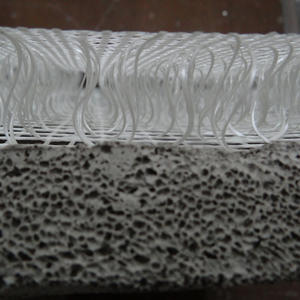
Professional solutions on concrete addtives, Concrete Foaming Agent, Superplasticizer, CLC Blocks Additives, and foaming machine

Master the Mix: Understand Every Type of Concrete Admixture for Better Builds
1. Introduction
Just 24 hours ago, global construction leaders at the World Concrete Summit highlighted a surge in demand for high-performance concrete admixtures—especially eco-friendly superplasticizers and crystalline waterproofing systems—as builders race to meet sustainability targets without sacrificing strength or speed.
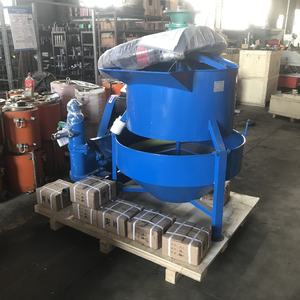
If you’re involved in construction, renovation, or even DIY concrete projects, understanding admixtures can be a game-changer. These concrete additives fine-tune everything from curing time to weather resistance, making your builds stronger, faster, and longer-lasting.
2. What Are Admixtures?
Admixtures (sometimes spelled ‘ad mixtures’) are chemical or mineral ingredients added to concrete before or during mixing to modify its properties. They’re not fillers—they’re performance enhancers. Whether you need fast-curing concrete additives or a surface retarder concrete for decorative stamping, there’s an admixture for that.
3. Why Use Concrete Admixtures?
Concrete on its own is strong—but limited. Admixtures unlock flexibility. Need your slab poured in freezing temps? Use an accelerating admixture for concrete. Pouring in summer heat? A concrete retarder admixture keeps it workable longer. Want waterproof walls? Try a crystalline waterproofing admixture.
They also reduce water content (hello, water reducing admixtures!), boost flow without adding water (thanks, superplasticizer!), and even add air bubbles for freeze-thaw resilience (that’s air entraining concrete).
4. Major Types of Concrete Admixtures
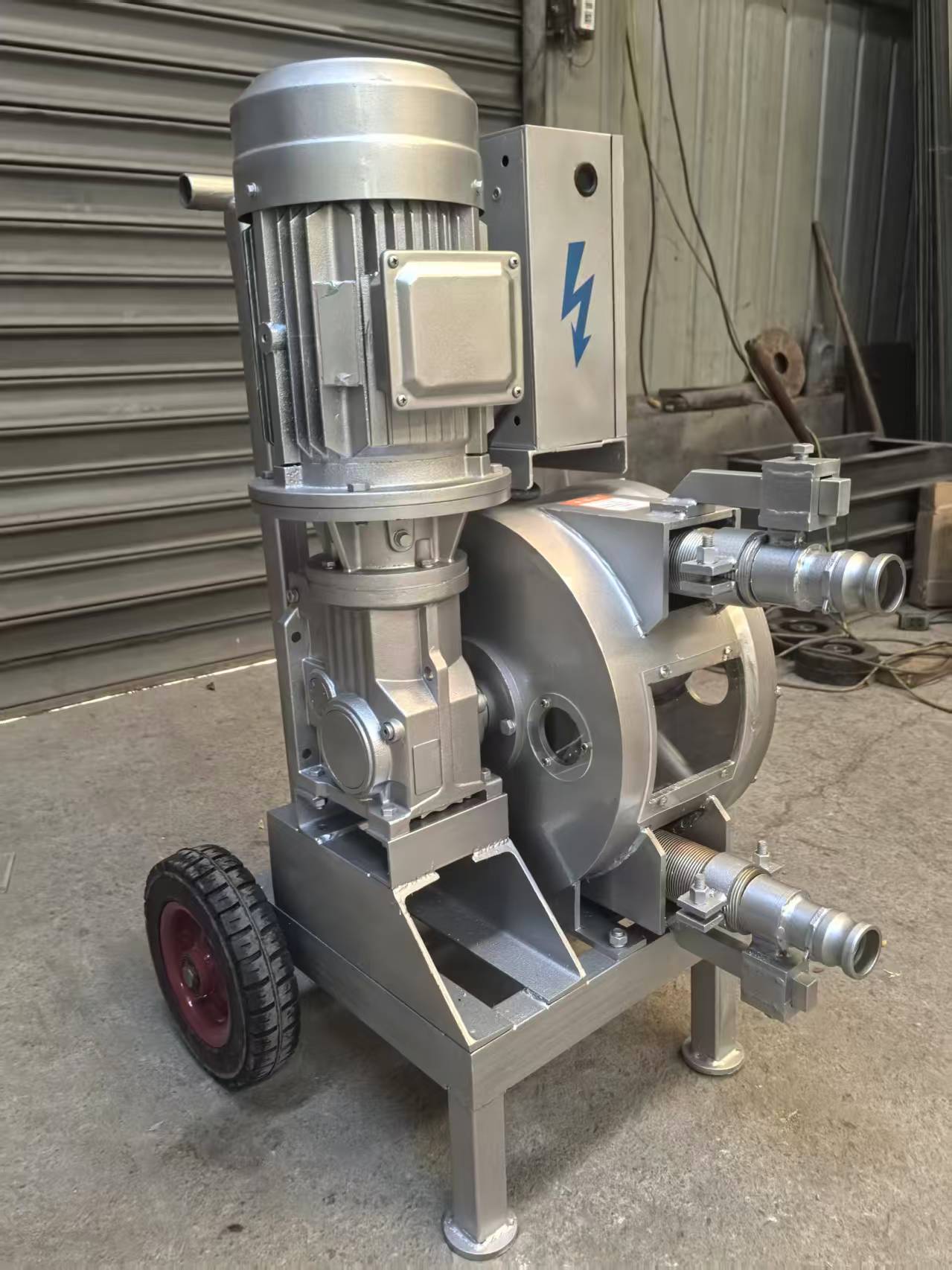
Concrete admixture types fall into two broad categories: chemical and mineral. Let’s break them down.
4.1 Chemical Admixtures
These are liquid or powder concrete chemicals dosed precisely into the mix. Common examples include:
- Superplasticizer (or super plasticizers): High-range water reducers like polycarboxylate ether (PCE) or naphthalene-based formulas. The best superplasticizer for concrete dramatically increases flow while cutting water by up to 40%.
- Concrete accelerator: Speeds up curing—ideal for cold weather or fast-track jobs. Look for products labeled ‘concrete accelerator curing time’ if timing is tight.
- Concrete retarder: Slows setting, perfect for hot climates or complex pours. An admixture retarder gives you extra minutes to finish surfaces smoothly.
- Air entraining admixture: Adds microscopic air bubbles via an air entraining agent, improving durability in freeze-thaw zones. Often called air entraining cement when pre-blended.
- Waterproofing admixture: Includes integral waterproofer, cement waterproofing additive, and concrete waterproof admix. Crystalline waterproofing admixture reacts with moisture to self-seal cracks over time.
- Plasticizer for concrete (also called concrete plasticiser): Mid-range water reducers that improve workability. A plasticizer admixture is great for standard slabs or mortar.
4.2 Mineral Admixtures
These are finely ground materials like fly ash, silica fume, or slag. A mineral admixture enhances long-term strength and reduces heat buildup in large pours. They’re eco-friendly too—many repurpose industrial byproducts.
5. Fiber Reinforcement: Beyond Traditional Admixtures
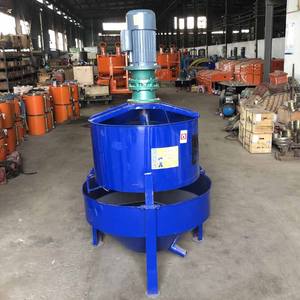
Fibers are increasingly treated as essential concrete additives. Adding reinforcement fiber for concrete improves crack resistance, impact strength, and ductility.
Popular options include:
- Polypropylene fibres for concrete (PP fiber concrete): Affordable, non-corrosive microfibers for shrinkage control.
- Steel fibers for concrete: Used in industrial floors and tunnels for high-load toughness.
- Carbon fiber reinforcement in concrete: Ultra-strong but pricey—ideal for seismic zones or thin architectural panels.
- Natural options like coconut fiber reinforced concrete are emerging for sustainable builds.
Whether you choose macro fibers or concrete microfiber, fiber reinforced concrete delivers superior performance over plain mixes.
6. Specialized Additives You Should Know
Beyond basics, niche admixtures solve specific problems:
- Concrete foaming agent: Creates lightweight foam concrete (aka aircrete). Protein-based or synthetic foaming agents generate stable bubbles for CLC blocks or insulation fills.
- Concrete release agent: Essential for stamped concrete. Powder or spray release agents (like Brickform Liquid Release) prevent sticking and add color accents.
- White cement: Not an admixture per se, but often used with tinted concrete or white concrete countertops. Waterproof white cement blends offer both aesthetics and protection.
7. Choosing the Best Admixture for Concrete
The ‘best admixture for concrete’ depends on your project. Ask:
- Is weather a factor? (Use accelerators or retarders)
- Do you need high flow? (Go for superplasticizer in concrete)
- Is water exposure likely? (Pick a waterproofing admixture for concrete)
- Are you stamping or coloring? (Pair with release agents and pigments)
Brands like Chryso admixture, Hardie concrete siding, or CertainTeed concrete siding integrate admixtures directly into pre-engineered products—great for consistent results.
8. Practical Tips for DIYers and Pros
- Always follow dosage instructions. Too much superplasticizer can cause segregation.
- Test small batches first—especially with colored concrete or custom fiber mixes.
- Store admixture chemical containers sealed and cool.
- For home projects, Home Depot concrete siding and similar retailers offer user-friendly additive kits.
9. Conclusion
From superplasticizer admixture to air entraining and fiber reinforcement, modern concrete is anything but basic. Understanding admixture types empowers you to build smarter, faster, and greener. Whether you’re pouring a patio or constructing a high-rise, the right concrete additives make all the difference.
Our Website founded on October 17, 2012, is a high-tech enterprise committed to the research and development, production, processing, sales and technical services of ceramic relative materials such as Master. Our products includes but not limited to Boron Carbide Ceramic Products, Boron Nitride Ceramic Products, Silicon Carbide Ceramic Products, Silicon Nitride Ceramic Products, Zirconium Dioxide Ceramic Products, etc. If you are interested, please feel free to contact us.