Professional solutions on concrete addtives, Concrete Foaming Agent, Superplasticizer, CLC Blocks Additives, and foaming machine

Choose the Right Admixtures for High-Performance Concrete
1. Introduction
Just 24 hours ago, a major infrastructure project in Texas announced it would switch from naphthalene-based to polycarboxylate ether (PCE) superplasticizers to reduce carbon emissions and improve workability in high-strength concrete pours—a move reflecting a global trend toward greener, more efficient concrete chemicals. This shift highlights how critical the right choice of admixtures can be in modern construction.
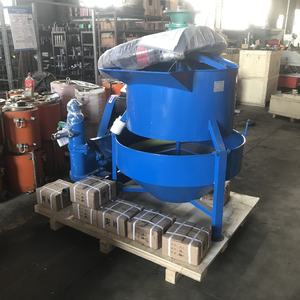
Concrete is no longer just cement, sand, and water. Today’s high-performance mixes rely heavily on admixtures—specialized additives that modify fresh or hardened concrete properties. Whether you’re aiming for faster curing, enhanced durability, or better flow, understanding admixture types is essential. In this guide, we’ll compare the most impactful concrete admixture categories and help you identify the best admixture for concrete in real-world scenarios.
2. Superplasticizers: The Workability Game-Changer
Superplasticizers—also called high-range water reducers—are among the most widely used concrete admixtures. They dramatically increase fluidity without adding extra water, which preserves strength and durability. Two dominant chemistries dominate this space: naphthalene sulfonate formaldehyde (NSF) and polycarboxylate ether (PCE).
Naphthalene-based superplasticizers have been industry staples for decades. They’re cost-effective and deliver strong initial slump improvement. However, they suffer from rapid slump loss over time and contain aromatic compounds that raise environmental concerns.
In contrast, PCE-based superplasticizers offer superior slump retention, lower dosage requirements, and are more eco-friendly. Polycarboxylate superplasticizer is now preferred for self-consolidating concrete (SCC), precast elements, and high-rise pumping applications. While slightly more expensive, its performance often justifies the cost—making it the best superplasticizer for concrete in demanding projects.
- Naphthalene superplasticizer: good for basic applications, higher dosage needed
- Polycarboxylate ether superplasticizer: excellent flow control, low dosage, sustainable
3. Setting Time Modifiers: Accelerators vs. Retarders
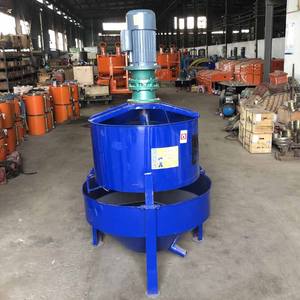
Controlling when concrete sets is crucial—especially in extreme temperatures. Accelerating admixtures for concrete shorten curing time, making them ideal for cold-weather pours or emergency repairs. Calcium chloride is common but can corrode rebar; non-chloride alternatives like nitrate-based concrete accelerator are safer for reinforced structures.
On the flip side, concrete retarder admixtures delay hydration, giving crews more time to place and finish large slabs in hot climates. Surface retarder concrete products are even used decoratively to expose aggregate in stamped finishes. The key is matching the admixture retarder to ambient conditions—overuse can lead to excessively long curing times.
4. Air Entraining and Waterproofing Additives
Air entraining concrete contains microscopic bubbles that improve freeze-thaw resistance—critical in northern climates. An air entraining admixture introduces these stable voids during mixing. Without it, water expansion during freezing can crack the matrix. Look for reliable air entraining agents that comply with ASTM C260 standards.
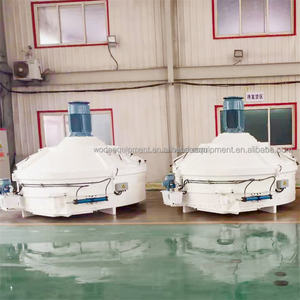
For moisture protection, waterproofing admixture options include integral waterproofer systems like crystalline waterproofing admixture. Unlike surface sealers, these react with cement to form insoluble crystals that block capillary pores. Cement waterproofing additive and concrete waterproof admix solutions are especially valuable in basements, tunnels, and water tanks where long-term integrity matters.
5. Fiber Reinforcement and Specialty Additives
Beyond chemical modifiers, fibers add tensile strength and crack control. Polypropylene fibres for concrete are popular for reducing plastic shrinkage cracks, while steel fibers for concrete enhance post-crack load capacity in industrial floors and blast-resistant structures. Coconut fiber reinforced concrete is emerging as a sustainable alternative in non-structural applications.
Other niche additives include concrete foaming agent for lightweight cellular concrete (used in CLC blocks), and release agents for stamped concrete—essential when working with patterned or colored concrete. Whether you’re using powder release agent or spray release, compatibility with your mix design affects final aesthetics.
6. Choosing the Best Admixture for Your Project
There’s no universal ‘best’—only the best admixture for concrete given your specific goals. Ask:
- Do you need high flow? → Go for PCE superplasticizer.
- Pouring in winter? → Use non-corrosive concrete accelerator.
- Building near the coast? → Combine air entraining admixture with crystalline waterproofing admixture.
- Creating decorative stamped concrete? → Pair color hardeners with water-based release agent.
Always consult technical data sheets and consider compatibility between admixtures. Overloading a mix with multiple concrete additives can cause unpredictable interactions.
7. Conclusion
From superplasticizer in concrete to fiber reinforcement and waterproof admix systems, modern admixtures empower builders to push the limits of what concrete can do. By understanding the strengths and limitations of each admixture type—from water reducing admixtures to accelerating admixtures for concrete—you can optimize performance, sustainability, and cost. As the Texas project shows, choosing smarter admixtures isn’t just technical—it’s strategic.
Our Website founded on October 17, 2012, is a high-tech enterprise committed to the research and development, production, processing, sales and technical services of ceramic relative materials such as Choose. Our products includes but not limited to Boron Carbide Ceramic Products, Boron Nitride Ceramic Products, Silicon Carbide Ceramic Products, Silicon Nitride Ceramic Products, Zirconium Dioxide Ceramic Products, etc. If you are interested, please feel free to contact us.