Professional solutions on concrete addtives, Concrete Foaming Agent, Superplasticizer, CLC Blocks Additives, and foaming machine

HPMC vs. Other Thickeners: The Ultimate Guide for Flawless Tile Adhesive Performance
Have You Experienced These Tile Adhesive Nightmares?
You mix a perfect batch, but it dries out before you can set the tile. The adhesive sags, leaving you with a crooked backsplash. After grouting, the bond fails. We have been there. For over two decades, we have diagnosed these failures. The culprit is often the wrong thickener. Let’s cut through the noise and compare HPMC for tile adhesive application with other options. We will help you choose the right tool for the job.
Expert FAQ: HPMC for Tile Adhesive Application
1. What exactly does HPMC do in my tile adhesive?
HPMC stands for Hydroxypropyl Methylcellulose. It is the workhorse additive that gives your adhesive its working properties. Think of it as a moisture manager and lubricant. Its core jobs are water retention, thickening, and creating a slick workability. Without it, the cement sucks water from the adhesive too fast. That leads to poor hydration and weak bonds.
2. Why is HPMC better than other thickeners like CMC?
We prefer HPMC over older cellulose ethers like CMC (Carboxymethyl Cellulose) for one main reason: consistency. CMC is highly sensitive to water hardness and can lose viscosity. HPMC provides stable, predictable thickening. As one veteran formulator told me, “With HPMC, I get the same open time in hard water or soft. CMC is a gamble.” This reliability is why it dominates modern formulations.
3. How do I pick the right HPMC viscosity grade?
This choice is critical. Use low viscosity grades (e.g., 50,000 mPa.s) for thin-bed adhesives on walls. They offer great slip resistance without being too sticky. For thick-bed floor applications or large-format tile adhesives, choose a medium-high viscosity grade (e.g., 100,000 mPa.s or higher). The higher viscosity fights sag on vertical surfaces. Match the grade to your tile size and substrate.
4. What’s the magic dosage for HPMC in tile adhesive?
Start between 0.2% and 0.5% of the total powder weight. For standard wall tiles, 0.3% is a common sweet spot. For large, heavy tiles or exterior applications, push toward 0.5%. Always add the HPMC powder to your dry mix first. Blend it thoroughly with the cement and sand before adding water. This prevents clumping and ensures even performance.
5. How does HPMC work with redispersible polymer powder (RDP)?
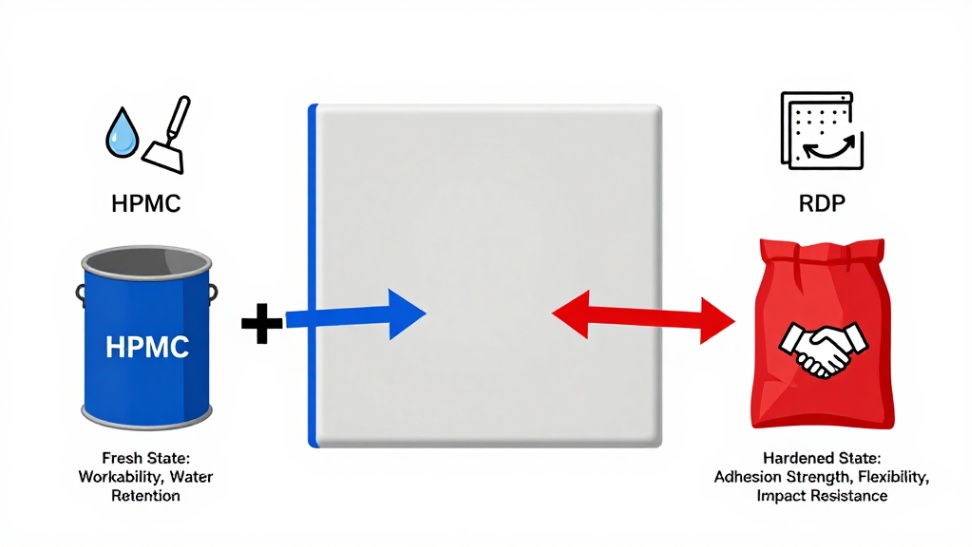
They are a powerhouse team. HPMC handles the fresh-state properties: workability, water retention. The RDP handles the hardened-state properties: flexibility, adhesion strength, and impact resistance. HPMC’s water retention actually helps the RDP film form properly. Never view them as competitors. For premium, flexible tile adhesives, you need both.
6. Will HPMC-based adhesive hold up in showers and wet areas?
Yes, but with a caveat. Standard HPMC grades are not waterproof; they are water-retaining. For constant immersion, you need additional waterproofing agents like Portland cement and careful polymer selection. However, for standard wet room walls, HPMC provides excellent moisture resistance during installation and curing. It protects the bond line from premature drying.
7. What are the common mistakes when using HPMC?
We see three main errors. First, under-mixing the dry powder. Clumps of HPMC will create gel balls in your adhesive. Second, using the wrong viscosity grade for the tile size. Third, adding too much water to compensate for thick consistency, which weakens the final adhesive. Follow the mix instructions precisely.
8. Is HPMC a sustainable choice?
From a life-cycle perspective, yes. HPMC is derived from plant cellulose (wood or cotton pulp). It is non-toxic and biodegradable under specific conditions. More importantly, an adhesive that performs correctly lasts for decades. That prevents waste from premature failure and re-tiling. Durability is the ultimate form of sustainability.
9. Bottom line: When should I absolutely choose HPMC over other options?
Choose HPMC when you need reliable, long open time and superior anti-sag. For interior wall and floor tiles, especially large format, it is the industry standard. Consider other thickeners (like MHEC or starch ethers) only for very specific, cost-sensitive, or non-critical applications where ultimate performance is not the goal. For quality results, HPMC is the clear winner.
Stop Guessing. Start Using the Right HPMC.
You have seen the data and the expert comparisons. The path to avoiding adhesive failures is clear. Do not compromise your project with an inferior thickener. For over 20 years, our team has formulated and tested tile adhesives with HPMC. We know which grades perform under real-world pressure. If you are a formulator or a serious installer looking for consistent, high-performance results, it is time to make a change. Contact our technical team today for a sample of our premium HPMC grades tailored for tile adhesive application. Let us help you build a reputation for flawless installations.
We are the global leader in lightweight concrete and advanced engineered foam solutions. Known globally for its commitment to research, innovation, and applied expertise, we have been providing engineered foam solutions since the early 2012’s.
We can supply high-quality concrete admixture and foam concrete related products all over the world.
The company has a professional technical department and quality supervision department, a well-equipped laboratory, and equipped with advanced testing equipment and after-sales customer service center.
If you are interested, please feel free and contact us.