Professional solutions on concrete addtives, Concrete Foaming Agent, Superplasticizer, CLC Blocks Additives, and foaming machine

Lightweight Concrete Bridge Deck Overlays: 5 Deadly Mistakes That Cost Contractors
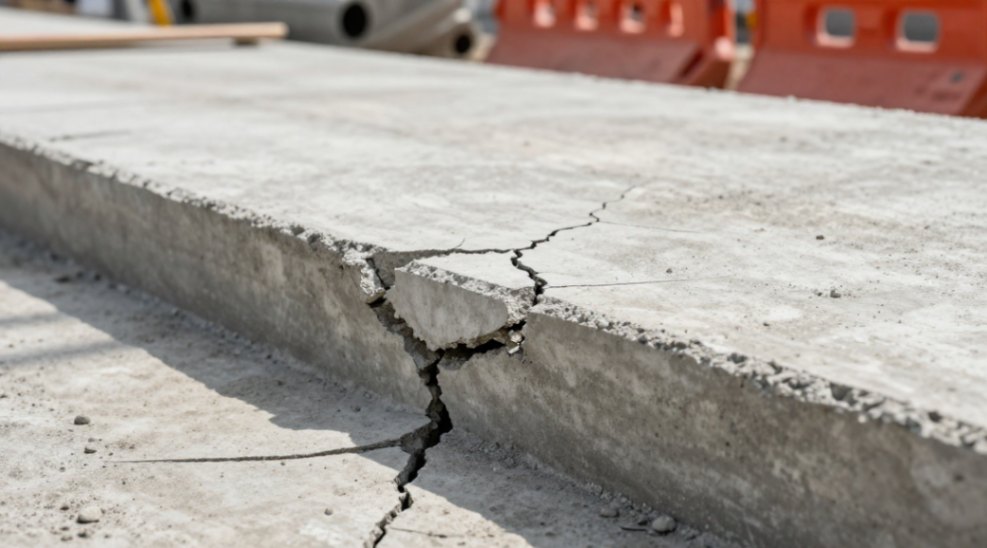
Have Your Overlays Ever Cracked or Delaminated Prematurely?
You followed the spec. You sourced quality materials. Yet, months after placement, the overlay shows map cracking or, worse, starts separating from the deck. Sound familiar? You’re not alone. The unique properties of lightweight concrete demand a shift in mindset. Treating it like conventional concrete is the single biggest mistake. Let’s navigate the pitfalls so your next project is bulletproof.
Warning: The 5 Costly Errors with Lightweight Concrete Overlays
Lightweight concrete offers immense benefits: reduced dead load, superior thermal resistance, and enhanced durability. But these advantages vanish if you fall into these common traps.
1. Treating the Aggregate Like Ordinary Rock
This is your first critical error. Expanded shale, clay, or slate aggregates are porous. They absorb water differently.
- The Mistake: Assuming a standard pre-wetting or moisture content. You end up with a stiff, unworkable mix or severe plastic shrinkage.
- The Warning: Improper moisture control directly causes poor consolidation and weak bonds at the interface.
- The Fix: Monitor aggregate moisture continuously at the batch plant and site. Adjust water content in real-time. Remember, these aggregates can continue absorbing water from the paste.
2. Ignoring the Stickiness Factor During Finishing
Lightweight concrete mixes are often stickier. They drag under the trowel.
- The Mistake: Power floating too early or too aggressively. You pull paste to the surface, weaken the top layer, and seal in bleed water that doesn’t exist.
- The Warning: This creates a weak, craze-cracked surface vulnerable to scaling and wear.
- The Fix: Wait longer for the surface to stiffen. Use magnesium or aluminum hand floats first. Be patient. Your finish crew must adapt their timing.
3. Skipping the Bonding Primer (“It’s Rough Enough”)
The deck surface is clean and sound. It has a good rough texture. You think a bonding agent is an unnecessary cost.
- The Mistake: Relying solely on mechanical bond. The low aggregate density changes the paste’s bonding dynamics.
- The Warning: This is a direct path to delamination, especially under thermal cycling or heavy truck traffic.
- The Fix: Never skip the specified epoxy or acrylic bonding primer. Apply it strictly per the manufacturer’s instructions. This non-negotiable step creates the chemical bridge the interface needs.
4. Rushing the Cure Because It “Feels” Hard
The surface sets quickly. Crews want to remove coverings and move on.
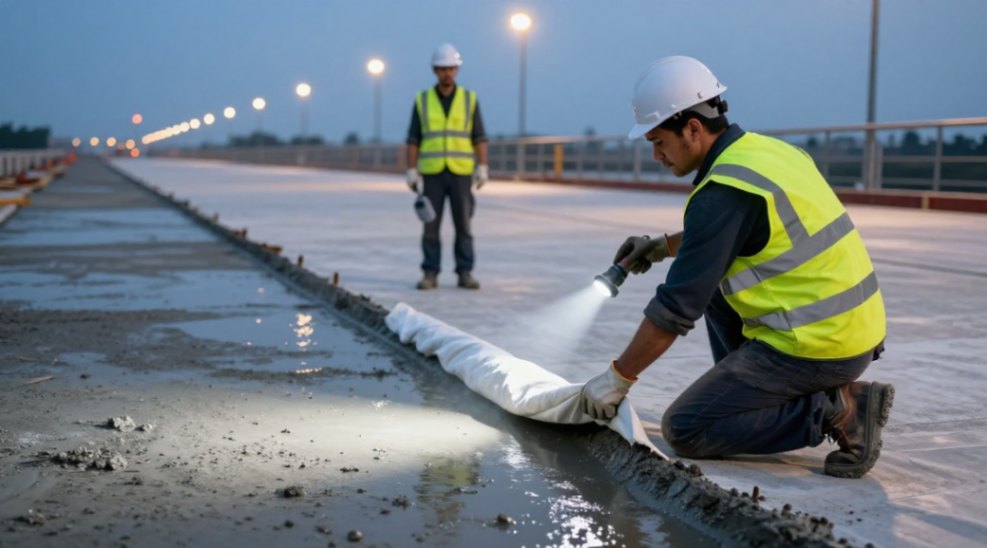
- The Mistake: Inadequate wet curing. The porous aggregates act like internal sponges, stealing moisture from the cement paste needed for full strength development.
- The Warning: Premature drying leads to low early strength, high permeability, and failed durability tests like freeze-thaw resistance.
- The Fix: Cure for a minimum of 7 days with wet burlap or curing blankets. Monitor it. The internal mix needs this water more than you think.
5. Assuming All Lightweight Mixes Are Equal
You used a great lightweight mix on a building floor. You assume the same design works for a bridge deck.
- The Mistake: Overlooking the specific requirements for overlay durability: air-entrainment stability, chloride resistance, and flexural toughness.
- The Warning: A mix not optimized for deck service will deteriorate quickly from deicing salts and fatigue.
- The Fix: Insist on a proven mix design with a documented history in transportation projects. Verify its performance against standards like ASTM C330 and your state’s DOT specifications for density, strength, and durability.
The Path to a Successful, Durable Overlay
Respect the material. Lightweight concrete is a powerful tool for bridge deck rehabilitation, reducing dead load by up to 25% and extending service life. But it is not conventional concrete. Success hinges on understanding its nuances.
- Partner with your ready-mix supplier early. Discuss moisture monitoring and mix stability for transportation.
- Train your field crews. Explain why timing and techniques must change.
- Protect the cure. This is the most cost-effective insurance you can buy.
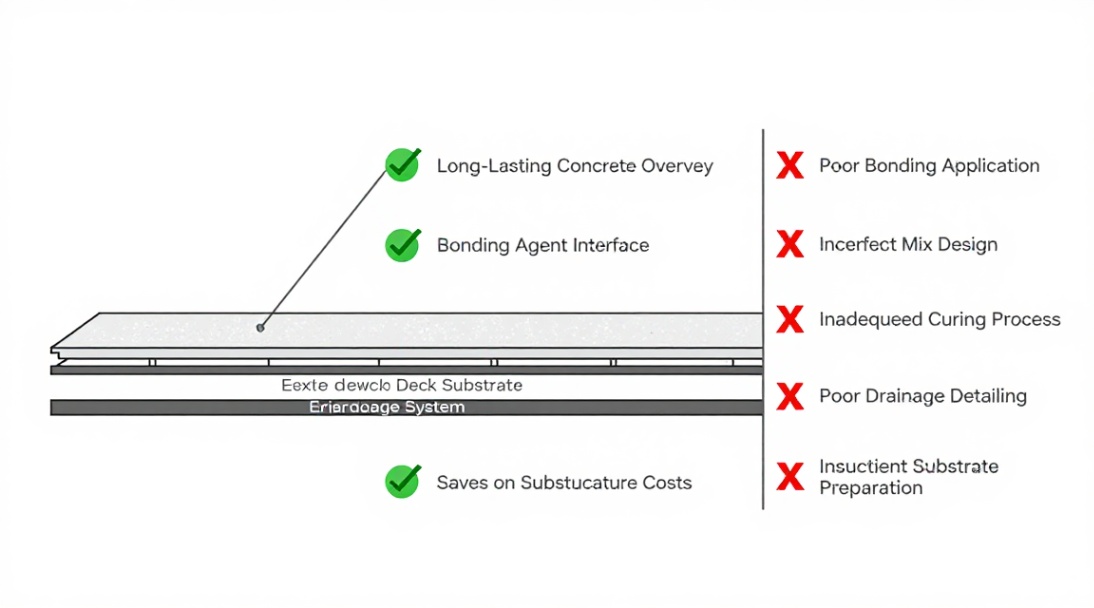
By avoiding these five critical errors, you harness the true benefits of lightweight concrete: a long-lasting, high-performance overlay that saves money on substructure costs and future maintenance. Your client gets a superior bridge. You build a reputation for expertise.
Your next step? Before you bid, review the project specs with your superintendent and batch plant manager. Walk through each potential pitfall and confirm your procedures. A one-hour planning meeting can prevent a million-dollar failure.
We are the global leader in lightweight concrete and advanced engineered foam solutions. Known globally for its commitment to research, innovation, and applied expertise, we have been providing engineered foam solutions since the early 2012’s.
We can supply high-quality concrete admixture and foam concrete related products all over the world.
The company has a professional technical department and quality supervision department, a well-equipped laboratory, and equipped with advanced testing equipment and after-sales customer service center.
If you are interested, please feel free and contact us.