Professional solutions on concrete addtives, Concrete Foaming Agent, Superplasticizer, CLC Blocks Additives, and foaming machine

Potassium Silicate: The Zero-VOC Binder at the Heart of Durable Refractory Coatings
A Stark Data Point
Over 90% of monolithic refractory linings and coatings in contact with molten metal rely on an inorganic binder that forms a ceramic bond. That binder is potassium silicate. Its dominance isn’t accidental; it’s the result of a unique chemical profile that solves fundamental problems in high-temperature environments.
What is Potassium Silicate in Refractory Coatings?
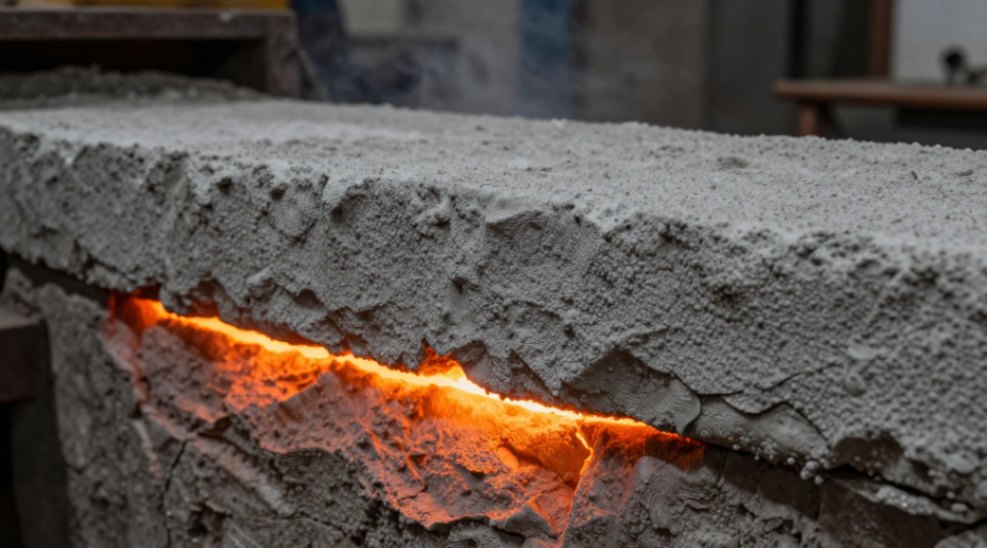
Potassium silicate, commonly called water glass, is a high-performance inorganic binder. In refractory coatings, it acts as the glue that holds aggregates like alumina, silica, and zirconia together before and during service. Unlike organic resins, it does not burn out. Instead, it transforms into a durable, glassy silicate network that provides structural integrity from ambient temperature to over 1700°C.
Critical Questions Answered
How does potassium silicate work as a binder?
It operates through two distinct phases. First, it provides green strength via drying and gelling. Second, and most crucially, at elevated temperatures, the silicate undergoes a chemical reaction called sintering. This process fuses the binder with the refractory aggregates, creating a continuous, monolithic ceramic bond. The coating becomes a single, coherent solid rather than a collection of particles held by a temporary adhesive.
What are the key advantages over organic binders?
The benefits are direct and measurable. Potassium silicate produces zero smoke, fumes, or volatile organic compounds (VOCs) during heat-up. This eliminates a major environmental and worker safety concern. The resulting ceramic bond offers superior resistance to thermal shock and chemical slag attack compared to the charred residue left by burning organics.
How is it applied and cured?
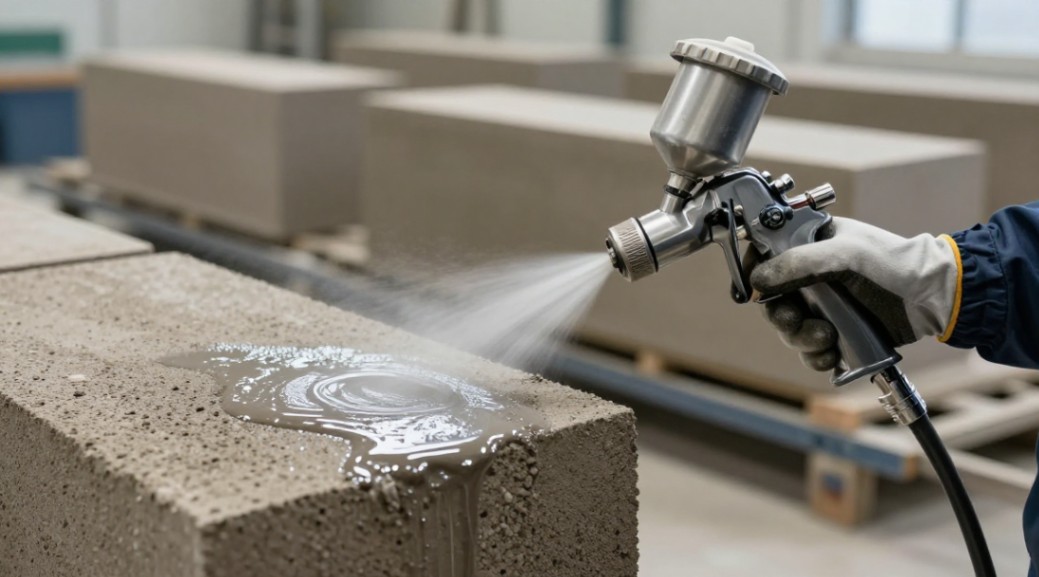
Operators apply potassium silicate-based coatings by spraying, brushing, or dipping onto preformed refractory shapes. Curing involves both physical drying and a chemical setting reaction, often accelerated by controlled gassing with CO2 or thermal input. This dual mechanism builds rapid handling strength, a critical factor in production schedules.
What is the SiO2/K2O modulus and why does it matter?
The modulus is the molar ratio of silica (SiO2) to potassium oxide (K2O). A higher modulus (e.g., 3.2-3.5) indicates more silica available for network formation. This directly correlates with higher final bond strength, better chemical resistance, and faster setting times. Selecting the correct modulus is the first step in designing a coating for a specific service temperature and chemical environment.
What are common industrial use cases?
You find potassium silicate binders in critical, demanding applications:
- Foundry Molds & Cores: As a facing coating to provide a smooth metal finish and resist penetration.
- Kiln Furniture Coatings: Protecting setters and saggers from glaze vapors and thermal stress.
- Metalcasting Ladle & Trough Linings: Monolithic coatings resistant to molten iron and steel slag.
- Investment Shell Primers: Providing a strong, fine-grained initial layer for precision casting.
Practical Handling & Formulation Logic
Success with potassium silicate requires respecting its chemistry. Always add the liquid binder to the dry aggregates, never the reverse, to prevent lumping. Mixing must be thorough and complete before application begins. The formulation must balance the binder’s viscosity and setting rate with the aggregate’s particle size distribution. A well-designed coating flows for application yet sets quickly for demolding. The logic is simple: control the chemistry, and you control the performance.
The Objective Conclusion
For refractory coatings that demand cleanliness, durability, and high-temperature performance, potassium silicate is not just an option; it is the standard. Its ability to form a permanent ceramic bond solves the fundamental weakness of temporary organic binders. If your process involves temperatures above 500°C and you are dealing with fumes or coating degradation, the problem is likely your binder. The solution is potassium silicate. To specify or reformulate your coatings with this technology, consult a specialist refractory supplier today. Provide them with your operating temperature, atmosphere, and slag composition for a tailored recommendation.
We are the global leader in lightweight concrete and advanced engineered foam solutions. Known globally for its commitment to research, innovation, and applied expertise, we have been providing engineered foam solutions since the early 2012’s.
We can supply high-quality concrete admixture and foam concrete related products all over the world.
The company has a professional technical department and quality supervision department, a well-equipped laboratory, and equipped with advanced testing equipment and after-sales customer service center.
If you are interested, please feel free and contact us.