Professional solutions on concrete addtives, Concrete Foaming Agent, Superplasticizer, CLC Blocks Additives, and foaming machine

What is Potassium Silicate Binder? The Refractory Coating Solution for High-Temperature Problems
Has Your Refractory Coating Failed Under Pressure?
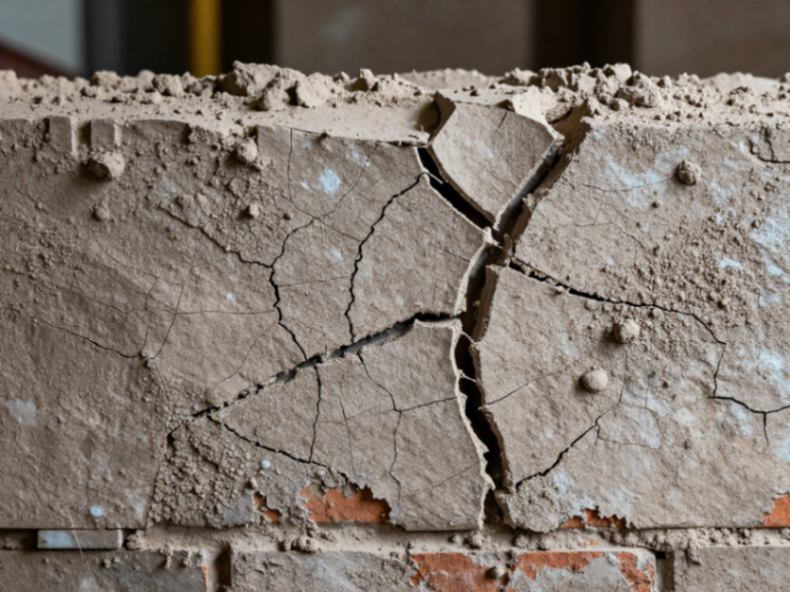
You’ve built a furnace lining, applied a protective wash, or cast a mold. It looks perfect. Then the heat hits. Maybe you see cracks spider-webbing across the surface. Perhaps the coating powders away, failing to protect the substrate. Maybe you’re fighting chemical attack from molten metal or slag. The result is downtime, repair costs, and frustration. This pain is why the right binder isn’t just a component; it’s the backbone of performance. Many engineers and formulators in industrial forums and communities point to a common culprit: binder weakness at temperature. They often find their answer in an inorganic workhorse-potassium silicate for refractory coatings.
The Core Definition: What Exactly is Potassium Silicate?
Let’s strip away the complexity. Potassium silicate, often called water glass, is an inorganic chemical compound. We primarily use it as a binder. It’s a clear, viscous liquid created by reacting silica sand (SiO2) with potassium carbonate (K2CO3) at high temperatures. In refractory coatings, it isn’t just glue. It undergoes a chemical transformation, forming a rigid, three-dimensional silicate network. This network bonds refractory aggregates-like alumina, zirconia, or silicon carbide-into a cohesive, ceramic-like shell.
Think of it as the skeleton of your coating. The aggregates are the muscle and flesh, providing bulk and specific properties. The potassium silicate binder is the skeleton that holds everything together, even when the heat is on.
Why It Works: Key Properties for Extreme Environments
High-Temperature Stability & The Ceramic Bond
Organic binders burn out. They decompose, leaving voids and weaknesses. Potassium silicate binder does the opposite. As temperature rises, it undergoes a process called ceramification. It drives off water and sinters, forming a strong, continuous silicate glass or crystalline ceramic phase. This bond remains stable often beyond 1000°C, a zone where organics simply vanish.
Superior Chemical Resistance
The resulting silicate matrix is notoriously inert. It resists attack from many molten metals, slags, and fluxes. This makes potassium silicate for refractory coatings ideal for foundry molds, metal contact parts, and kiln linings where corrosion is a constant threat.
The Critical SiO2/K2O Ratio (Modulus)
Not all potassium silicates are equal. Performance hinges on the modulus: the molar ratio of SiO2 to K2O. A higher modulus means more silica, leading to faster setting, higher final strength, and better heat resistance. A lower modulus offers better solubility and workability. Choosing the right modulus is our first critical formulation step.
How It Stacks Up: Advantages Over Alternatives
Why choose potassium over its cousin, sodium silicate? The debate is common. Potassium silicate generally offers better high-temperature stability and reduced tendency to effloresce (those white, chalky salt deposits). It also provides better compatibility with certain fillers and often results in a more refractory final bond.
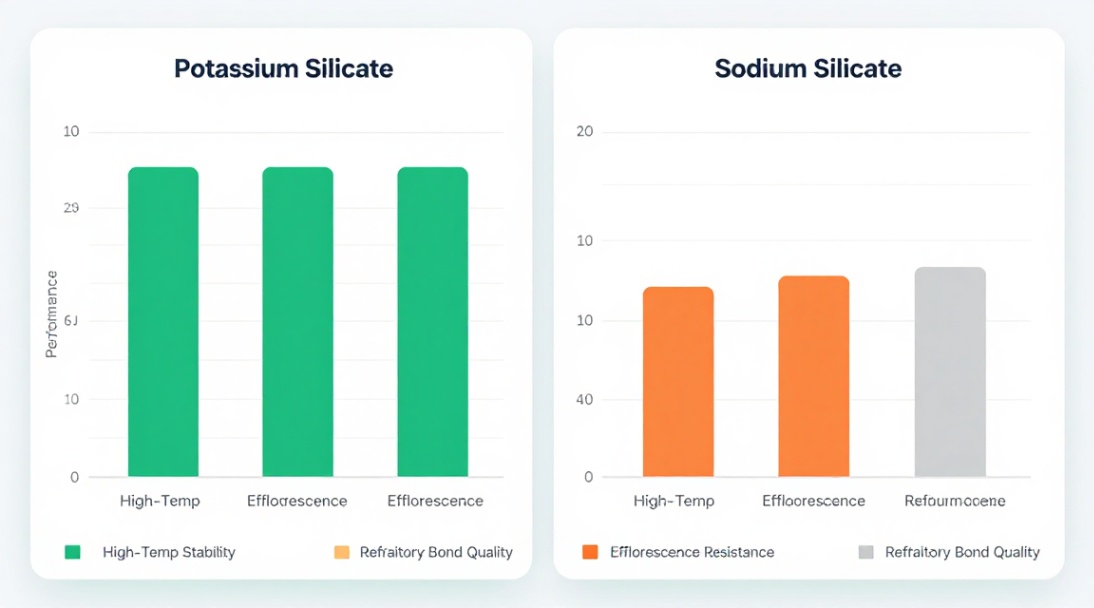
Compared to organic resin binders (phenolics, epoxies), the advantages are stark: no toxic fumes during curing, no burnout at high temperature, and typically better environmental and safety profiles. The trade-off? Pot life and application methods require more precise control.
Putting It to Work: Application & Formulation Insights
Mixing and Pot Life Reality
This binder is water-based. We mix it with our refractory powders-alumina, zircon, etc.-to form a slurry or paste. Here’s the catch: pot life is finite. Once mixed, a chemical setting reaction begins. It’s not like a paint you can leave in the bucket for days. Work in manageable batches. Many users on technical boards advise adding controlled setting agents or adjusting the modulus to manage this work window.
Application Methods: Spray, Brush, Dip
The slurry consistency dictates the method. Thin slurries are excellent for spray application onto complex shapes or for creating thin, uniform facing layers. Thicker pastes are suited for troweling or brushing. Dipping is common for coating smaller, intricate cores or shapes. The key is achieving full, void-free coverage of the substrate.
The Non-Negotiable Step: Proper Curing
This step cannot be rushed. Curing involves controlled drying to remove water, often aided by heat (air drying, warm air ovens). If we dry it too fast, steam pressure causes cracks. Too slow, and strength development stalls. Proper curing transforms the wet, weak gel into a hard, pre-ceramic state ready for service. Skipping this is a guarantee of failure.
Where It Shines: Primary Industrial Uses
- Foundry Molds and Cores: As a binder for sand molds facing molten iron, steel, and non-ferrous metals.
- Kiln and Furnace Linings: As a protective wash or monolithic repair material on existing brickwork.
- Metal Casting Tools: Coatings on ladles, tundishes, and runners to prevent erosion and chemical sticking.
- Welding Flux Formulations: Providing slag-forming components and binding powdered mixtures.
The Modern Context and Your Next Step
The field keeps advancing. Researchers are pushing materials to new limits, developing ultra-high-temperature ceramics (UHTCs) with melting points over 3000°C. In parallel, work on ceramic matrix composites uses strategies like slurry infiltration to boost toughness. While these are frontier materials, the principle remains: a reliable, high-temperature bond is foundational. Potassium silicate provides that proven, cost-effective foundation for countless industrial applications today.
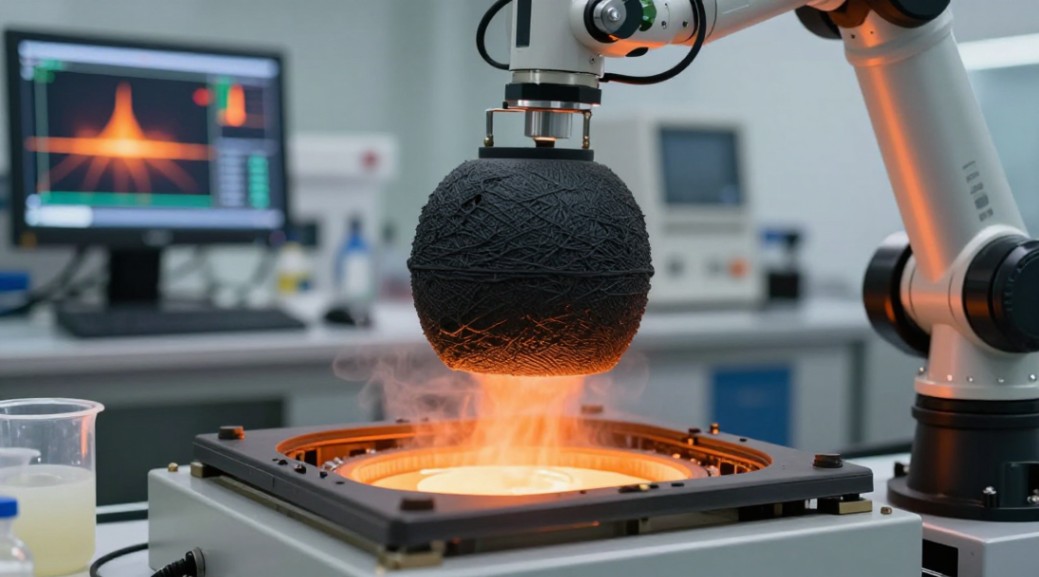
If thermal shock, chemical attack, or binder burnout is plaguing your process, the solution might lie in reevaluating your binder system. Start by testing a potassium silicate-based formulation against your current standard. Look for a supplier who can discuss modulus options and provide technical data sheets. The right formulation isn’t just about mixing powders and liquid; it’s about building a shield that works when the heat is fiercest.
We are the global leader in lightweight concrete and advanced engineered foam solutions. Known globally for its commitment to research, innovation, and applied expertise, we have been providing engineered foam solutions since the early 2012’s.
We can supply high-quality concrete admixture and foam concrete related products all over the world.
The company has a professional technical department and quality supervision department, a well-equipped laboratory, and equipped with advanced testing equipment and after-sales customer service center.
If you are interested, please feel free and contact us.