Professional solutions on concrete addtives, Concrete Foaming Agent, Superplasticizer, CLC Blocks Additives, and foaming machine

Selecting and Applying the Right Refractory Cement for Fireplaces and Kilns: A Technical Guide
The Uncompromising Physics of Refractory Materials
Refractory cement is a high-temperature inorganic binder, not a conventional adhesive. Its sole purpose is to join ceramic firebrick and create monolithic linings that survive repeated thermal cycling. Failure is a material science issue, not an aesthetic one. Choosing the correct refractory cement for fireplace and kiln directly determines the structural integrity and safety of your high-heat installation. The 2023 Global Refractories Market Analysis by Grand View Research noted a 4.2% CAGR growth, driven by demand for durable, energy-efficient linings in both industrial and residential sectors. This trend emphasizes the move towards specialized, application-specific products.
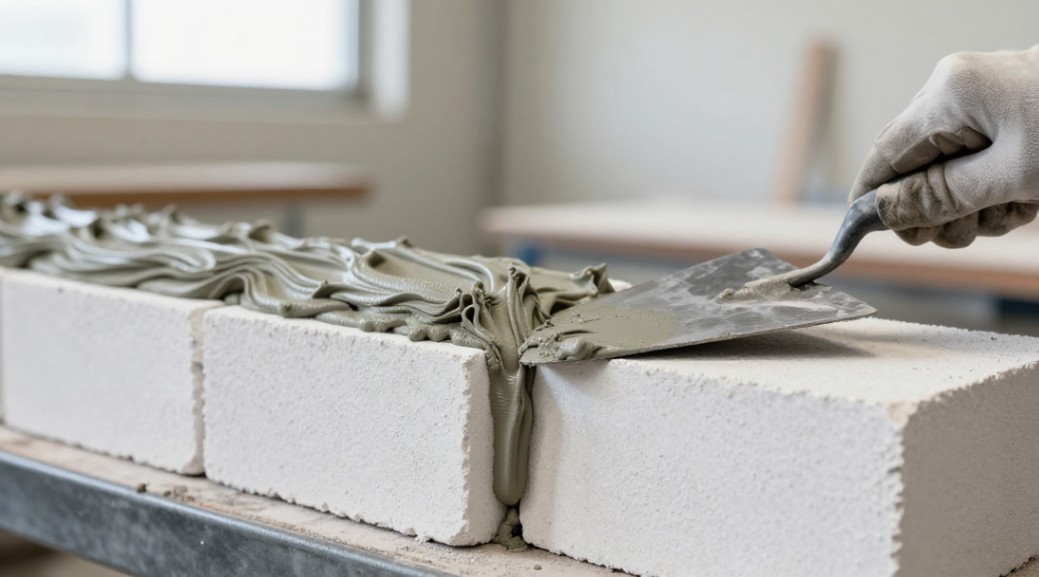
Refractory Cement vs. Standard Masonry: A Fundamental Distinction
Portland cement and mortar fail catastrophically above 500°F (260°C). They hydrate, crumble, and explode from steam pressure. Refractory cements, formulated with calcium aluminate, fire clays, and fine aggregates like grog or vermiculite, are designed to chemically and physically withstand temperatures exceeding 2000°F (1093°C). Their key function is to maintain bond strength and dimensional stability during expansion and contraction. Industry expert Dr. Alistair Reed states: “The refractory joint is a designed weak point, meant to absorb stress and protect the firebrick. Using standard mortar is an invitation for a thermal runaway failure.”
Types and Selection Criteria for Fireplace and Kiln Use
Selecting a refractory cement hinges on the peak service temperature, thermal shock profile, and required setting mechanism. This decision is non-negotiable.
| Type | Primary Binder | Max Temp Range | Setting Mechanism | Ideal Application |
|---|---|---|---|---|
| Hydraulic Setting | Calcium Aluminate Cement | 3000°F+ (1650°C+) | Chemical hydration with water | Pottery kiln linings, forge bases, high-duty fireboxes. |
| Air-Setting | Sodium Silicate (Water Glass) | 2000°F – 2500°F (1093-1371°C) | Dries and hardens by air exposure | Fireplace firebox repairs, bonding insulating firebrick, patch work. |
| Premixed Mortar | Fire Clay & Fine Grog | 1600°F – 2200°F (871-1204°C) | Heat-setting; vitrifies in service | Residential fireplace flue tile joints, outdoor fireplaces. |
For a wood-burning fireplace, a 2000°F-rated air-setting or premixed mortar typically suffices. For a stoneware kiln hitting Cone 10 (2345°F), only a high-purity calcium aluminate hydraulic cement provides the necessary stability.
The Critical Path: Application, Curing, and Avoiding Failure
Proper technique governs performance. Every step, from substrate prep to final cure, is interdependent.
1. Substrate Preparation and Mixing
All surfaces must be clean, sound, and free of old mortar dust. Lightly mist brick with water to control suction, but avoid soaking. Mix to a stiff, peanut butter-like consistency. Excess water reduces final strength and increases drying shrinkage cracks. Use precise measurements; guessing ratios compromises the chemical set.
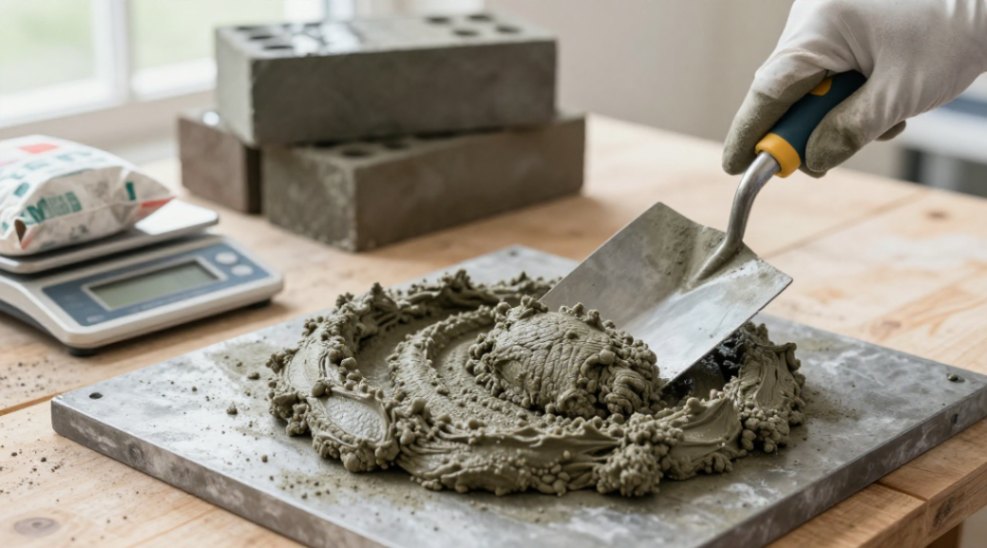
2. Application and Tooling
Butter both the brick edge and the receiving surface. Apply firm pressure to seat the brick and force cement into surface pores. Maintain a consistent 1/8″ joint. Stripe the joint with a tuck pointer for density. For monolithic linings (castable refractories), vibration is mandatory to eliminate air pockets that become failure points.
3. The Non-Negotiable Drying and Curing Schedule
This is where 70% of field failures originate. Steam spalling occurs when trapped moisture flashes to steam faster than it can escape.
- Air Dry: Allow 24-48 hours for ambient moisture evaporation.
- Water Smoke-Off (Hydraulic Cements): Raise temperature slowly to 212°F (100°C) and hold for several hours. This drives off free water.
- Dehydration: Gradually increase heat to 500°F (260°C) to remove chemically bound water.
- Final Firing: Only after steps 1-3 are complete, bring the installation to its first operational temperature. Rushing this schedule guarantees cracks.
Common Failure Analysis and Long-Term Maintenance
Thermal shock from rapid heating or cooling is the primary failure mode. It manifests as hairline cracks propagating from joints. Other causes include improper cement type selection, excessively thick joints, and inadequate curing. Annual inspection of refractory cement for fireplace and kiln joints is essential. Look for powdering, cracks wider than 1/8″, or loose bricks. Address minor hairline cracks with a refractory caulk rated for the temperature. Significant deterioration requires removal and re-pointing with the correct material.
Project-Specific Recommendations and Final Action
Outdoor Fireplace: Use a premixed, heat-setting mortar rated for your fuel type. Ensure it is also rated for freeze-thaw cycles. Wood Stove Repair: Match the original manufacturer’s specification. Air-setting cements are common for field repairs. Pottery Kiln Construction/Repair: High-purity calcium aluminate cement (like SECAR 71 or equivalent) is the only appropriate choice for structural linings above 2000°F.
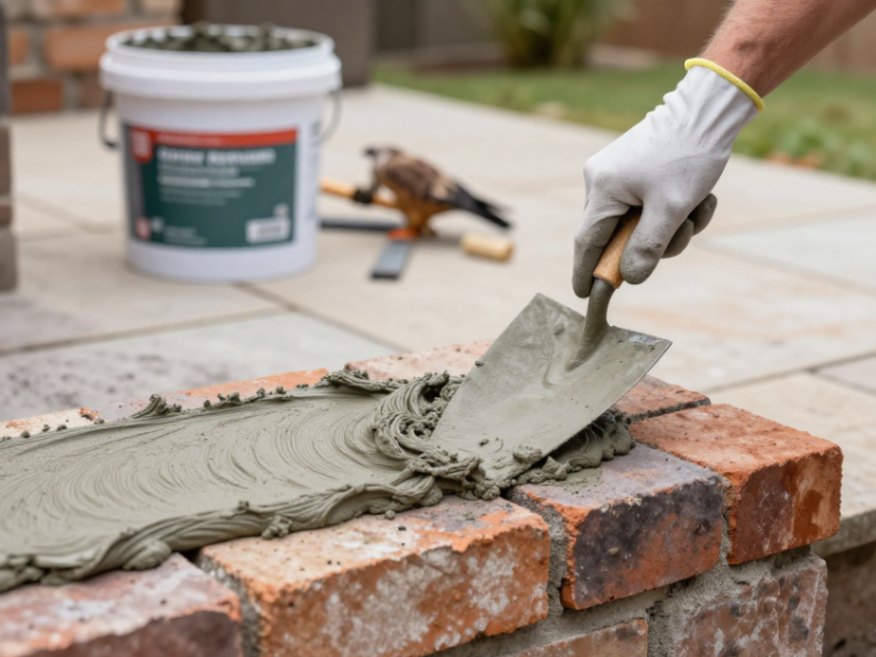
Based on three decades of field diagnostics, I specify a single product line for demanding applications: the HWI Pyro-Bloc 3000 Castable Refractory System. Its consistent grading, precise calcium aluminate chemistry, and documented thermal properties provide predictable, professional-grade results for both complex kiln linings and high-use fireboxes. Do not compromise on material integrity. For your next project, consult the technical data sheets and purchase from a specialized refractory supplier. Your safety and the longevity of your installation depend on this single, critical material choice.
We are the global leader in lightweight concrete and advanced engineered foam solutions. Known globally for its commitment to research, innovation, and applied expertise, we have been providing engineered foam solutions since the early 2012’s.
We can supply high-quality concrete admixture and foam concrete related products all over the world.
The company has a professional technical department and quality supervision department, a well-equipped laboratory, and equipped with advanced testing equipment and after-sales customer service center.
If you are interested, please feel free and contact us.