Professional solutions on concrete addtives, Concrete Foaming Agent, Superplasticizer, CLC Blocks Additives, and foaming machine

Cheap Concrete Release Agent: Is Low Cost Worth the Risk?
Key takeaways
- A cheap concrete release agent is a low-cost formulation that reduces adhesion between concrete and formwork; its suitability depends on formwork type, surface preparation, and application.
- Low cost is most defensible when the product matches the formwork, is applied as instructed, and has been trialed on a representative area.
- Risk rises when a low-cost product is diluted or applied outside its stated conditions, or used on incompatible formwork.
- Total cost should include application labor, cleaning, and rework risk, not just the purchase price.
- A small trial before full use is the practical way to check compatibility and stripping behavior.
What Is a Cheap Concrete Release Agent and What Question Does It Raise?
A cheap concrete release agent is a low-cost formulation applied to formwork surfaces to reduce adhesion between hardened concrete and the mold. The real question behind the keyword is not whether a low price is attractive, but whether the savings hold up under actual site conditions: formwork type, surface preparation, application method, curing, and the finish the project expects.
The practical answer depends on conditions. A low-cost release agent can be a reasonable choice when it matches the formwork material, is applied at the supplier's stated coverage, and is tested on a small area before full use. It becomes a risk when price is the only selection criterion and the product is asked to perform outside its intended conditions.
This article treats cost as one variable among several. It does not assume that a cheap product is automatically inferior, nor that a higher price guarantees better results. Instead, it organizes the decision around what the product must do, what conditions it must tolerate, and what checks should happen before a purchase is repeated.
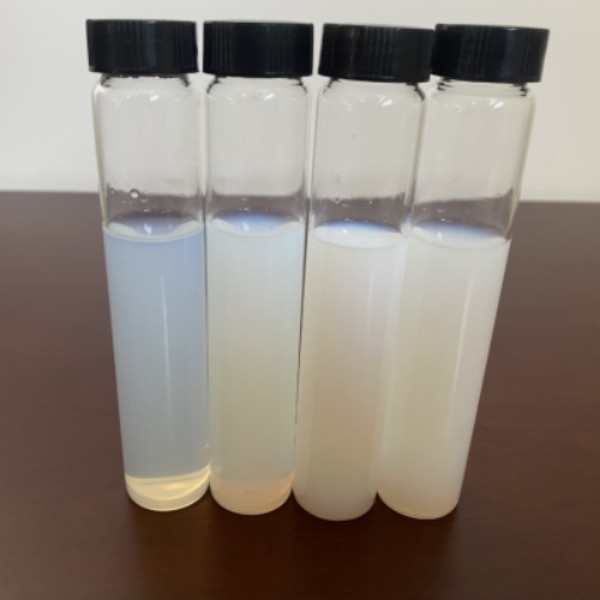
How Release Agents Work on Formwork Surfaces
A release agent forms a thin barrier between the formwork and the fresh concrete. The barrier is meant to prevent the cementitious matrix from bonding to the mold surface, so the formwork can be stripped without pulling away paste, aggregate, or surface detail. The mechanism sounds simple, but performance depends on the film staying continuous and on the formwork surface being compatible with the product.
Formwork material matters. Steel, plywood, coated panels, and plastic-faced molds present different surfaces, and a formulation designed for one may not behave the same way on another. Surface condition matters too: residual dust, old release agent, rust, or moisture can interrupt the film and create local sticking.
Application method is part of the mechanism, not an afterthought. Spraying, brushing, or wiping can produce different film thicknesses. A low-cost product that requires a precise film may cost more in labor and rework than its purchase price suggests, while a product with a wider application tolerance may be easier to use consistently.
Where Low Cost Helps and Where It Creates Risk
Low cost helps in straightforward, repetitive work where the formwork is in good condition, the product is used within its stated scope, and the finish requirement is modest. Under those conditions, a cheaper release agent can reduce consumable spend without changing the construction sequence.
Risk appears when the product is stretched beyond its intended use. Diluting beyond the supplier's instructions, applying too thin a film, or using a formulation on an incompatible formwork surface can lead to sticking, surface blemishes, or extra cleaning. Those outcomes carry labor and schedule costs that are not visible on the purchase order.
Variability is another risk. If a low-cost product depends on tight application control, small changes in operator technique or weather can produce inconsistent results. A more forgiving product may be worth a higher unit price when the site cannot guarantee uniform application.

How to Evaluate a Low-Cost Release Agent Before Full Use
Start with the technical data the supplier provides: intended formwork types, application rate, dilution instructions if any, and storage conditions. If that information is missing or vague, the product is harder to evaluate and harder to use consistently.
Run a trial on a small representative area. Use the same formwork material, the same application method, and the same concrete mix expected in production. Check stripping behavior, surface finish, and formwork cleanliness after removal. A trial does not prove long-term performance, but it can reveal obvious incompatibilities before a full order is committed.
Compare total cost rather than unit price. Include labor for application, cleaning time, rework risk, and the cost of any finish repairs. A cheaper product that increases any of these can erase its advantage. This is a planning comparison, not a prediction of specific savings.
Application and Storage Conditions That Affect Results
Temperature, wind, and surface moisture influence how a release agent film forms. A product applied in conditions outside its stated range may not produce a continuous film, which can lead to sticking or patchy finish. Follow the supplier's guidance on acceptable conditions rather than assuming the product is insensitive to weather.
Storage also matters. Containers left open, exposed to freezing, or contaminated with debris may not perform as intended. Keep records of batch and storage conditions so that any performance issue can be traced.
Do not skip formwork preparation to save time. Cleaning the surface and removing old release agent residue helps the new film perform as designed. A low-cost product applied over a poorly prepared surface is not a fair test of the product.
When a Cheap Release Agent Is a Reasonable Choice
A cheap release agent is a reasonable choice when the formwork is compatible, the finish requirement is standard, the application can follow the supplier's instructions, and a trial has shown acceptable stripping behavior. Under those conditions, cost savings can be real and the risk can be managed.
It is less suitable when the project demands a specific architectural finish, when formwork is complex or heavily reused, or when site conditions make consistent application difficult. In those cases, the decision should weigh performance and support, not price alone.
The practical next step is to request technical data, confirm formwork compatibility, and trial the product on a representative area before committing to a larger order.
Frequently asked questions
Is a cheap concrete release agent always worse than a more expensive one?
No. Price alone does not determine performance. A low-cost release agent can work well when it matches the formwork material, is applied at the stated rate, and is used within its intended conditions. The risk comes from using a product outside its scope or without checking compatibility.
What should I check before buying a low-cost release agent?
Check the supplier's technical data for intended formwork types, application rate, dilution instructions, and storage conditions. Then run a small trial using the same formwork and concrete mix as the project, and inspect stripping behavior and surface finish.
Can a cheap release agent cause surface defects?
It can contribute to sticking or patchy finish if the film is incomplete, if the formwork is poorly prepared, or if the product is used outside its stated conditions. A trial and correct application help reduce that risk.
Does a lower unit price always mean lower total cost?
Not necessarily. Total cost includes application labor, cleaning time, and potential rework. A cheaper product that increases any of these can cost more overall, so compare total cost rather than unit price alone.
Waterreduceragent is a supplier of Concrete Admixture with over 12 years of experience in nano-building energy conservation and nanotechnology development. It accepts payment via Credit Card, T/T, West Union and Paypal. TRUNNANO will ship the goods to customers overseas through FedEx, DHL, by air, or by sea. If you are looking for lightweight concrete relative materials, please feel free to contact us and send an inquiry.