Professional solutions on concrete addtives, Concrete Foaming Agent, Superplasticizer, CLC Blocks Additives, and foaming machine

Unlock the Future of Concrete: How Advanced Admixtures Are Revolutionizing Fiber-Reinforced Siding
1. Introduction
Just 24 hours ago, leading building material supplier CertainTeed announced a major expansion of its fiber cement siding line using next-gen concrete admixtures—sparking renewed interest in how advanced chemistry is reshaping exterior cladding. As homeowners increasingly seek low-maintenance, fire-resistant, and wood-look alternatives, fiber-reinforced concrete siding has surged in popularity. But what makes this material so resilient? The secret lies in the smart use of concrete admixtures.
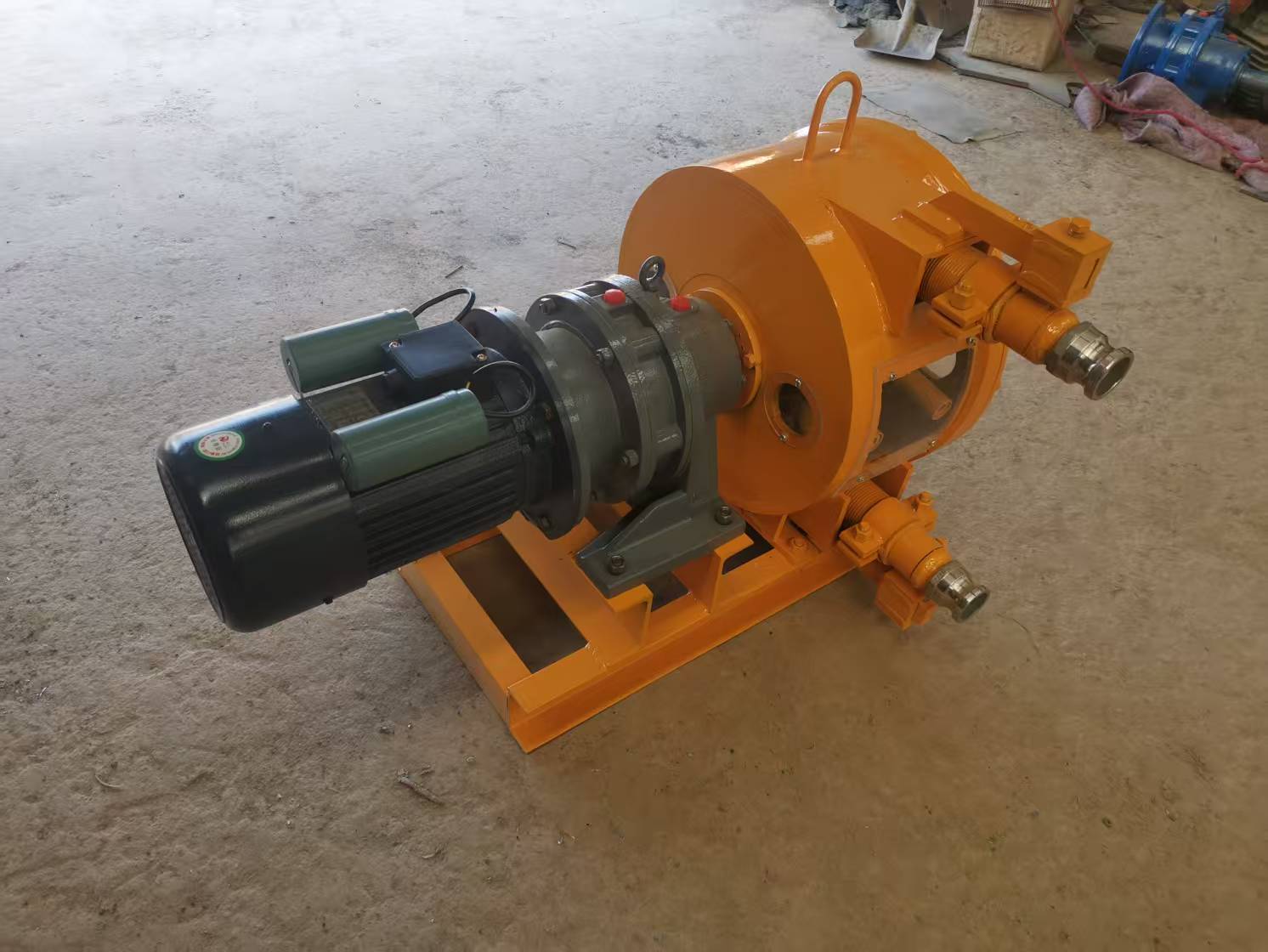
Unlike traditional concrete, modern fiber cement siding relies on a precise cocktail of additives to achieve flexibility, water resistance, and aesthetic versatility—all while maintaining structural integrity. From superplasticizers that improve workability to crystalline waterproofing admixtures that block moisture intrusion, these concrete chemicals are transforming how we build homes.
2. Why Fiber-Reinforced Concrete Siding Needs Specialized Admixtures
Fiber-reinforced concrete siding—often marketed as fibercement siding or concrete fiberboard siding—isn’t just regular concrete slapped onto a house. It’s a high-performance composite made from Portland cement, sand, water, and reinforcement fibers (like polypropylene or cellulose). To make this mix viable for thin, large panels that mimic wood grain, manufacturers must fine-tune rheology, curing speed, and durability using targeted admixtures.
Without the right concrete admixture types, the mix would be too stiff to mold, too slow to cure, or too brittle to withstand thermal expansion. That’s where modern admixture technology steps in.
3. Key Admixture Types Powering Modern Concrete Siding
3.1 Superplasticizers for Workability and Strength
Superplasticizer admixtures—especially polycarboxylate ether (PCE)-based superplasticizers—are essential in fiber cement production. These high-range water reducers dramatically lower the water-cement ratio without sacrificing flow, enabling dense, strong panels with minimal shrinkage.
By using a superplasticizer in concrete, manufacturers can incorporate more fibers without compromising mix homogeneity. This results in better fiber dispersion and enhanced crack resistance—critical for siding exposed to wind, rain, and temperature swings.
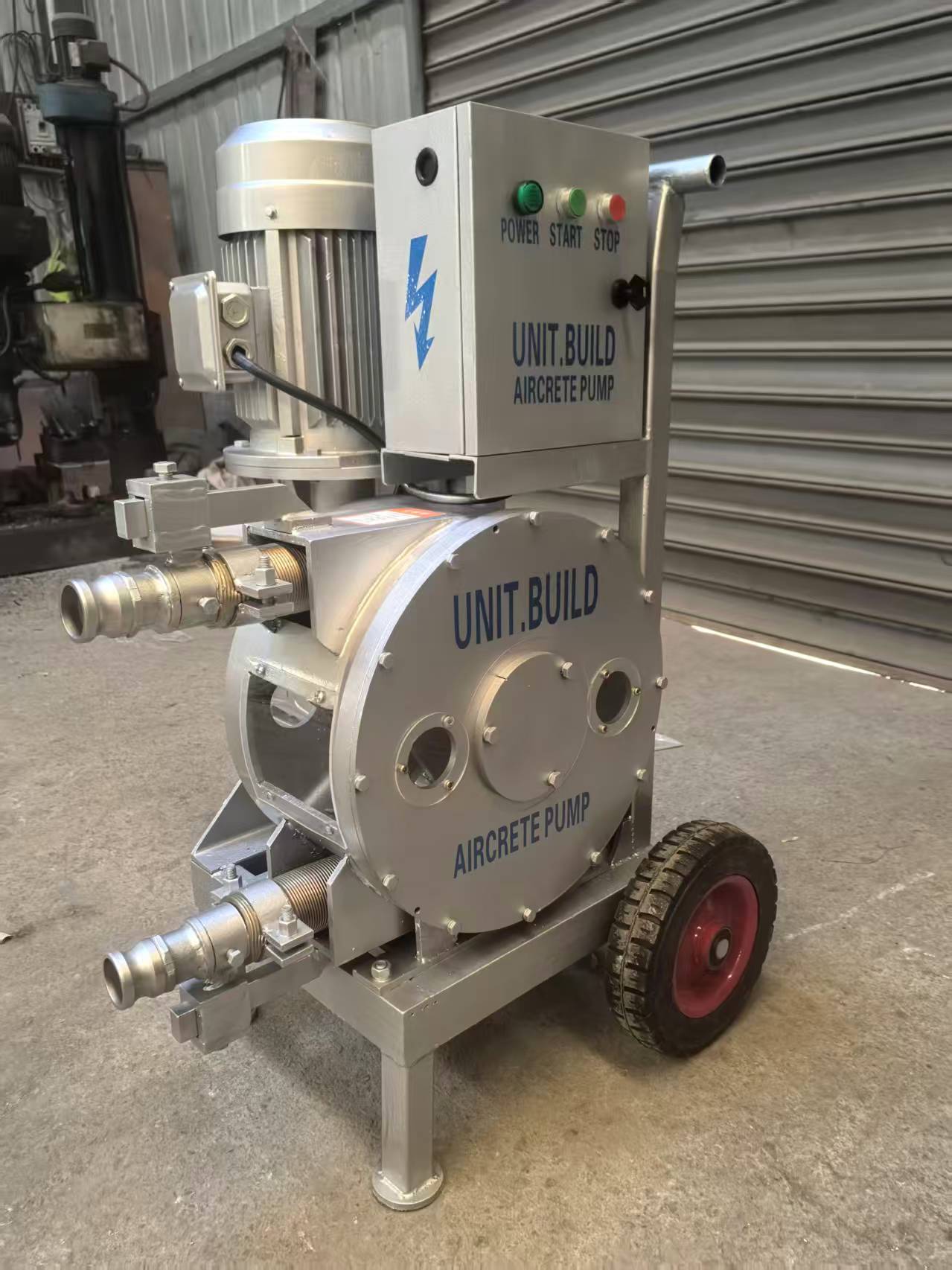
3.2 Waterproofing Admixtures for Longevity
Moisture is the enemy of any exterior cladding. That’s why integral waterproofers and crystalline waterproofing admixtures are now standard in premium concrete siding formulations. Unlike surface sealers that wear off, these concrete waterproofing additives react within the matrix to form insoluble crystals that block capillary pores.
Products like cement waterproofing additive or waterproof admix ensure that even if the finish paint chips, the core remains protected. This is especially vital for coastal or high-humidity regions where mold and rot plague traditional wood siding.
3.3 Fibers + Admixtures: A Synergistic Duo
While fibers provide tensile strength, they need help from chemical admixtures to perform optimally. Polypropylene fibres for concrete, steel fibers for concrete, and even innovative coconut fiber reinforced concrete all benefit from plasticizer admixtures that reduce friction during mixing.
Additionally, concrete accelerator curing time modifiers help panels set faster in factory conditions—boosting production efficiency. Conversely, in hot climates, a concrete retarder admixture may be used to prevent premature stiffening during transport or installation.
4. Real-World Impact: From HardieBoard to DIY Projects
Brands like Hardie concrete siding and CertainTeed concrete siding dominate the market by leveraging advanced admixture systems. Their products offer realistic wood textures, decades-long warranties, and resistance to termites and fire—all enabled by precise dosing of concrete additives.
Even DIYers at Home Depot are catching on. With pre-mixed fiber concrete kits containing built-in superplasticizer and air entraining admixture, homeowners can now cast custom panels that look like cedar or shiplap—but last far longer.
Air entraining concrete also plays a subtle but vital role: tiny air bubbles created by air entraining agents improve freeze-thaw resistance, preventing spalling in colder climates.
5. Choosing the Best Admixture for Concrete Siding
Not all admixtures are created equal. When selecting a formulation, consider:
- Compatibility with fiber type (e.g., PP fiber concrete vs. steel fiber reinforced concrete)
- Need for fast curing concrete additives in high-throughput manufacturing
- Environmental exposure (coastal = prioritize waterproofing admixture for concrete)
- Aesthetic goals (colored concrete siding may require tint-compatible plasticizers)
Leading suppliers like Chryso admixture offer tailored solutions that balance performance, cost, and sustainability. Always review the bio data sheet for dosage rates and compatibility.
6. Conclusion
The future of home exteriors isn’t wood—it’s smart concrete. By harnessing the power of superplasticizers, waterproofing admixtures, and advanced fibers, today’s concrete siding delivers beauty, resilience, and sustainability in one package. Whether you’re a builder specifying materials or a homeowner comparing concrete siding cost versus vinyl, understanding these admixture technologies helps you make smarter, longer-lasting choices.
Our Website founded on October 17, 2012, is a high-tech enterprise committed to the research and development, production, processing, sales and technical services of ceramic relative materials such as Unlock. Our products includes but not limited to Boron Carbide Ceramic Products, Boron Nitride Ceramic Products, Silicon Carbide Ceramic Products, Silicon Nitride Ceramic Products, Zirconium Dioxide Ceramic Products, etc. If you are interested, please feel free to contact us.