Professional solutions on concrete addtives, Concrete Foaming Agent, Superplasticizer, CLC Blocks Additives, and foaming machine

What Are Admixtures and How Do They Transform Modern Concrete?
1. Introduction
Ever wonder how today’s concrete achieves such incredible strength, workability, or even looks like natural stone? The secret lies in admixtures—special ingredients added to concrete beyond cement, water, and aggregates. These concrete chemicals fine-tune everything from setting time to freeze-thaw resistance.
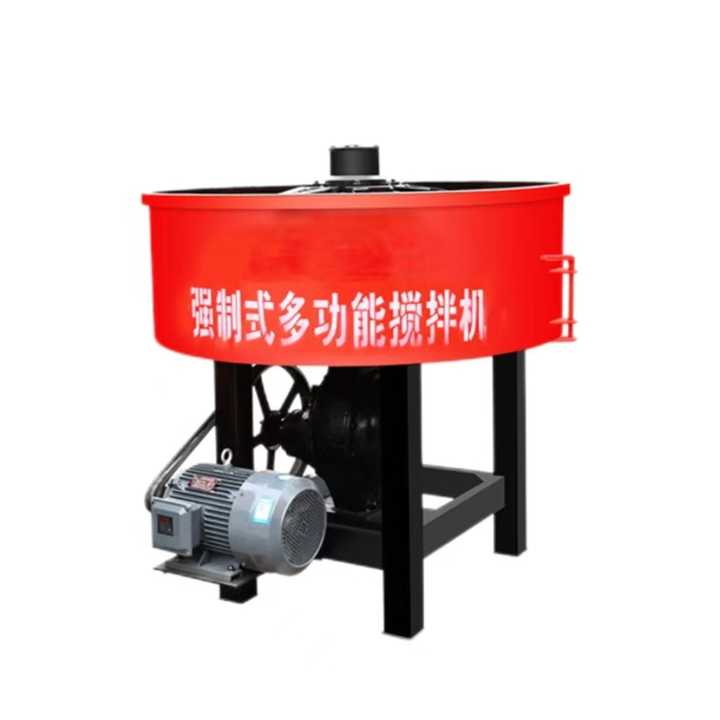
Admixtures aren’t just optional extras—they’re essential tools in modern construction. From skyscrapers to backyard patios, the right admixture used in concrete can make the difference between a structure that lasts decades and one that cracks under pressure.
2. What Are Admixtures?
Admixtures (sometimes spelled ‘ad mixtures’) are materials added to concrete before or during mixing to modify its properties. They can be chemical, mineral, or fibrous—and they serve specific purposes like improving flow, speeding up curing, or adding waterproofing capabilities.
Concrete admixtures fall into two broad categories: chemical admixtures and mineral admixtures. Chemical versions include liquids or powders like superplasticizer or concrete accelerator, while mineral types often involve fly ash or silica fume.
3. Major Types of Concrete Admixture
3.1 Water-Reducing Admixtures
Water reducing admixtures are among the most common. They allow you to cut down on water content without sacrificing workability—resulting in stronger, more durable concrete. A concrete water reducer can also act as a plasticizer for concrete, enhancing flow.
High-range versions are known as superplasticizers. Super plasticizers—especially polycarboxylate ether (PCE)-based types—are prized for creating self-consolidating concrete with minimal water.
- Superplasticizer in concrete reduces water by up to 40%
- Improves compressive strength and finish quality
- Ideal for high-performance or pumped concrete applications
3.2 Accelerating and Retarding Admixtures
Need fast curing concrete additives? Concrete accelerator admixtures shorten setting time and boost early strength—perfect for cold-weather pours or tight deadlines. They directly impact concrete accelerator curing time, helping projects stay on schedule.
On the flip side, a concrete retarder (or admixture retarder) delays hardening. This is useful in hot climates or for large pours where you need extra time to place and finish the mix. Surface retarder concrete is even used to create exposed-aggregate finishes.
3.3 Air-Entraining Admixtures
Air entraining concrete contains microscopic air bubbles that improve resistance to freeze-thaw cycles. An air entraining admixture introduces these bubbles via an air entraining agent, making concrete far more durable in harsh weather.
Common in roads, bridges, and driveways, air entraining cement prevents cracking caused by ice expansion. Look for terms like air entraining or air entraining concrete when specifying mixes for cold regions.
3.4 Waterproofing Admixtures
For basements, tanks, or wet areas, waterproofing is critical. Waterproofing admixture options include integral waterproofer, crystalline waterproofing admixture, and cement waterproofing additive.
These concrete waterproof admix products react internally to block moisture pathways. Unlike surface sealers, admixture waterproofing works throughout the entire slab—offering long-term protection without reapplication.
3.5 Fiber Reinforcement
Fibers for concrete—like polypropylene fibre, steel fibers for concrete, or even coconut fiber reinforced concrete—add tensile strength and reduce cracking. This category includes macro fibers, microfibers, and specialty types like carbon fiber reinforcement in concrete.
Fiber reinforced concrete is widely used in industrial floors, shotcrete, and siding. Products like Hardie concrete siding or CertainTeed concrete siding often incorporate fiberfor concrete to enhance impact resistance and longevity.
From fibermesh concrete to steel fiber reinforced concrete, these additives replace or supplement traditional rebar in many applications.
3.6 Foaming Agents and Specialty Additives
Foaming agent for foam concrete creates lightweight cellular concrete (also called aircrete). CLC foaming agent, protein based foaming agent, or synthetic foaming agent for concrete helps produce insulating blocks or void-filling grouts.
Other niche additives include concrete release agent (powder or spray), colored concrete powder for stamped finishes, and white cement for decorative countertops or architectural elements.
4. Choosing the Best Admixture for Concrete
The best admixture for concrete depends on your project’s needs. For high-flow applications, a superplasticizer admixture like PCE superplasticizer is ideal. For waterproof basements, consider a crystalline waterproofing admixture. In freeze-prone zones, never skip the air entraining admixture.
Brands like Chryso admixture offer tailored solutions, but always check compatibility with your cement type and local conditions. Also, remember that some admixtures—like fast curing concrete additives—can interact if overused.
5. Conclusion
Admixtures have revolutionized concrete technology, turning a basic mixture into a high-performance, customizable material. Whether you need a concrete retarder admixture for a summer pour, a superplasticizer to boost strength, or fibers for crack control, there’s an admixture designed for the job.
Understanding concrete admixture types empowers builders to create safer, longer-lasting, and more sustainable structures. So next time you see a sleek modern building or a flawless stamped patio, remember—it’s not just concrete. It’s smart chemistry at work.
Our Website founded on October 17, 2012, is a high-tech enterprise committed to the research and development, production, processing, sales and technical services of ceramic relative materials such as What. Our products includes but not limited to Boron Carbide Ceramic Products, Boron Nitride Ceramic Products, Silicon Carbide Ceramic Products, Silicon Nitride Ceramic Products, Zirconium Dioxide Ceramic Products, etc. If you are interested, please feel free to contact us.