Professional solutions on concrete addtives, Concrete Foaming Agent, Superplasticizer, CLC Blocks Additives, and foaming machine

How to Choose and Use the Best Concrete Admixtures for Every Project
1. Introduction
Just 24 hours ago, a major construction firm in Texas reported significant delays due to premature concrete setting caused by incorrect admixture selection during a heatwave. This real-world example underscores a growing industry pain point: despite the wide availability of concrete chemicals, many contractors still struggle to match the right admixture to their conditions. Whether you’re pouring a driveway, building a high-rise, or crafting decorative stamped concrete, choosing the correct admixture can make or break your project.
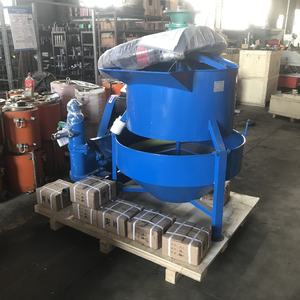
Concrete admixtures are essential additives that modify the properties of fresh or hardened concrete. From improving workability with superplasticizers to enhancing durability with waterproofing admixtures, these chemical solutions solve real problems on job sites every day. In this step-by-step guide, we’ll show you how to select, dose, and apply the best admixture for concrete based on your goals.
2. Understand the Main Admixture Types
Before buying any concrete additive, know what each category does. Admixture types fall into functional groups:
- Water reducing admixtures (including mid-range and high-range water reducers like superplasticizers) increase flow without adding water.
- Concrete accelerator and accelerating admixtures for concrete speed up curing—ideal for cold weather or fast-track projects.
- Concrete retarder and admixture retarder delay setting time, useful in hot climates or for long hauls.
- Air entraining admixture introduces tiny air bubbles to improve freeze-thaw resistance.
- Waterproofing admixture (like crystalline waterproofing admixture or integral waterproofer) blocks moisture penetration.
- Fiber reinforcement (polypropylene fibres for concrete, steel fibers for concrete, etc.) adds tensile strength and reduces cracking.
3. Step-by-Step: Selecting the Right Admixture
Start by identifying your primary challenge. Is it poor workability? Long curing time? Water leakage? Once you’ve pinpointed the issue, match it to an admixture solution.
For highly fluid mixes with low water content, use a superplasticizer in concrete—preferably a polycarboxylate ether (PCE) type, known as the best superplasticizer for concrete today. These super plasticizers drastically reduce water demand while maintaining slump.
If you need fast curing concrete additives, choose a non-chloride concrete accelerator to avoid rebar corrosion. For decorative stamped concrete, combine a surface retarder concrete with a colored concrete powder and a quality concrete release agent to achieve crisp patterns and vibrant stamp colors.
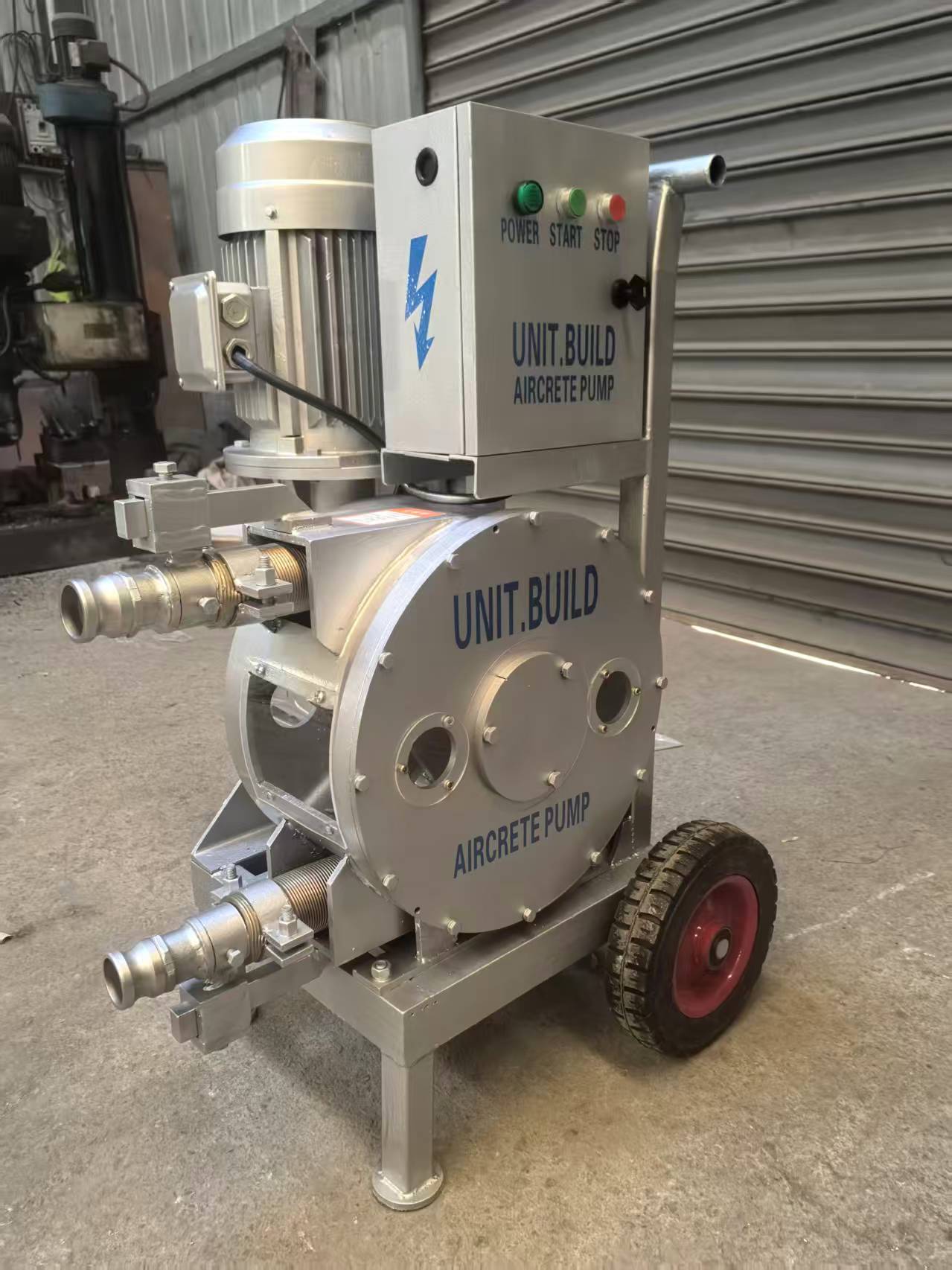
For basements or water tanks, opt for a crystalline waterproofing admixture or cement waterproofing additive that reacts with moisture to seal pores permanently.
4. Dosage and Mixing Best Practices
Even the best admixture for concrete fails if misused. Always follow manufacturer guidelines—typically found on the bio data sheet—for dosage rates. Overdosing a superplasticizer admixture can cause segregation; underdosing a concrete water reducer may leave your mix too stiff.
Add admixtures at the right stage: most chemical admixture for concrete should be added during batching, after initial water and cement contact. For fiberfor concrete applications, introduce reinforcement fiber for concrete early in mixing to ensure even dispersion.
Never mix different admixtures without checking compatibility first. For example, combining certain air entraining agents with high-range water reducers can destabilize air content.
5. Common Problems and Quick Fixes
Problem: Concrete set too fast in summer heat. Solution: Switch to a concrete retarder admixture or increase dosage slightly. Consider using a surface retarder concrete for exposed finishes.
Problem: Cracking in slabs. Solution: Add polypropylene fibre or macro fibers to create fiber reinforced concrete. Fibermesh concrete systems are especially effective for residential floors.
Problem: Water seepage through walls. Solution: Replace topical sealers with an integral waterproof admix like a crystalline waterproofing admixture—it becomes part of the matrix, not just a surface coating.
Problem: Poor finish on stamped concrete. Solution: Use a powder release agent for concrete in complementary colors (e.g., charcoal stamped concrete with light grey release powder) and ensure your concrete stamp release agent is applied evenly.
6. Special Applications: Foaming, Coloring, and Siding
For lightweight CLC blocks, use a protein based foaming agent or synthetic foaming agent for concrete—check clc foaming agent price and performance before buying. Homemade foaming agent for concrete often lacks consistency; stick to commercial cellular concrete foaming agent for reliability.
When coloring concrete, use tinted concrete powders compatible with your mix design. Avoid over-troweling, which can mute stamped concrete colors.
For exterior cladding, modern concrete siding like Hardie concrete siding or CertainTeed concrete siding uses fiber cement technology. These products rely on concrete fiber reinforcement (often cellulose or polypropylene) for impact resistance and mimic wood grain convincingly—ideal for concrete siding that looks like wood.
7. Conclusion
Choosing the right admixture used in concrete isn’t guesswork—it’s science paired with practical know-how. Whether you’re reaching for a superplasticizer admixture to boost flow, an air entraining concrete additive for durability, or a concrete waterproof admix for basements, always match the product to your environmental and structural needs. With this guide, you’re equipped to avoid common pitfalls and get professional-grade results every time.
Our Website founded on October 17, 2012, is a high-tech enterprise committed to the research and development, production, processing, sales and technical services of ceramic relative materials such as How. Our products includes but not limited to Boron Carbide Ceramic Products, Boron Nitride Ceramic Products, Silicon Carbide Ceramic Products, Silicon Nitride Ceramic Products, Zirconium Dioxide Ceramic Products, etc. If you are interested, please feel free to contact us.