Professional solutions on concrete addtives, Concrete Foaming Agent, Superplasticizer, CLC Blocks Additives, and foaming machine

Admixtures Are Transforming Modern Concrete Performance and Sustainability
1. Introduction
In the past 48 hours, major construction firms across North America have reported a surge in demand for high-efficiency concrete admixtures, driven by infrastructure projects prioritizing rapid curing and climate resilience. This trend underscores the growing reliance on advanced concrete chemicals to meet modern engineering and environmental standards.
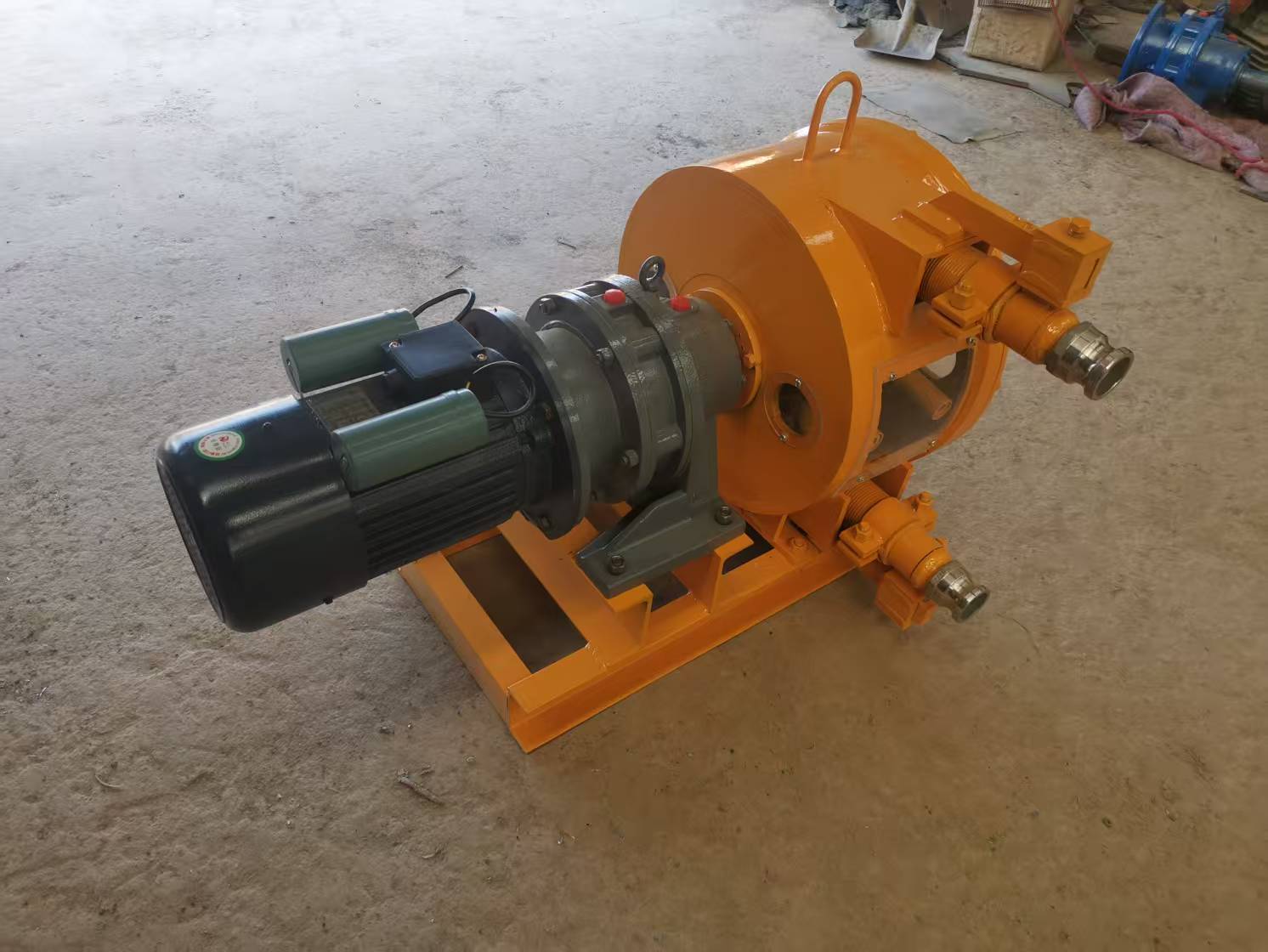
Admixtures—also referred to as concrete additives or cement admixtures—are materials added to concrete before or during mixing to modify its properties. These chemical or mineral components play a pivotal role in tailoring concrete performance for specific applications, from skyscrapers to residential driveways.
2. What Are Admixtures?
Admixtures are substances other than water, aggregates, and cement that are added to concrete mixtures to enhance characteristics such as workability, setting time, strength, and durability. The term ‘ad mixtures’ is sometimes used colloquially, but the correct technical term is ‘admixtures’.
They fall into two broad categories: chemical admixtures and mineral admixtures. Chemical admixtures include liquid or powder formulations like superplasticizers and accelerators, while mineral admixtures consist of finely ground materials such as fly ash or silica fume.
3. Common Types of Concrete Admixtures
Concrete admixture types vary widely based on function. Key categories include:
- Water reducing admixtures (including mid-range and high-range water reducers)
- Superplasticizer admixture (also called super plasticizers or polycarboxylate ether-based products)
- Concrete accelerator and accelerating admixtures for concrete
- Concrete retarder and admixture retarder (including surface retarder concrete)
- Air entraining admixture and air entraining agent
- Waterproofing admixture (such as integral waterproofer and crystalline waterproofing admixture)
- Fiber reinforcement (including polypropylene fibres for concrete, steel fibers for concrete, and coconut fiber reinforced concrete)
- Foaming agents (like CLC foaming agent and protein based foaming agent for foam concrete)
4. Superplasticizers: The Workability Game-Changer
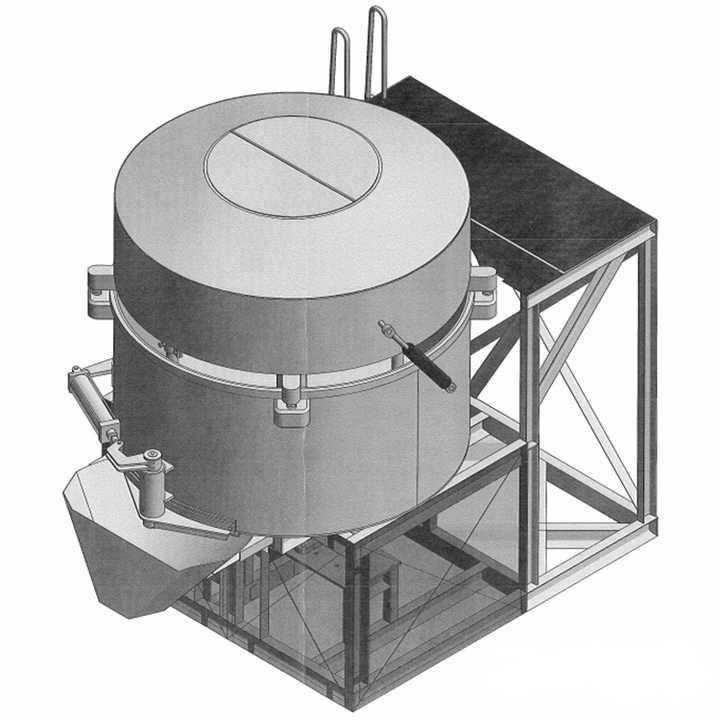
Superplasticizer in concrete is one of the most widely used chemical admixtures today. Also known as high-range water reducers, superplasticizers dramatically increase fluidity without adding extra water.
Polycarboxylate ether (PCE) superplasticizers represent the latest generation, offering superior slump retention and compatibility with modern cements. They are often marketed as the best superplasticizer for concrete due to their efficiency and low dosage requirements.
Unlike older naphthalene or melamine-based superplasticizers, PCE-based formulations reduce water content by up to 40%, enabling high-strength, self-consolidating concrete mixes. This makes superplasticizer admixture essential for precast elements, bridges, and high-rise construction.
5. Setting Time Control: Accelerators and Retarders
Concrete accelerator curing time is critical in cold-weather pours or fast-track projects. Accelerating admixtures for concrete shorten initial set times and boost early strength development.
Conversely, concrete retarder admixture delays hydration, which is useful in hot climates or for long-haul deliveries. Surface retarder concrete is specifically used in decorative applications like stamped concrete to expose aggregate finishes.
6. Durability Enhancers: Air Entraining and Waterproofing
Air entraining concrete incorporates microscopic air bubbles that improve freeze-thaw resistance. An air entraining admixture introduces these voids uniformly, making it indispensable in northern climates.
For moisture protection, waterproofing admixture for concrete—such as cement waterproofing additive or concrete waterproof admix—creates hydrophobic barriers within the matrix. Crystalline waterproofing admixture reacts with water and unhydrated cement to form insoluble crystals that block capillary pores.
7. Fiber Reinforcement and Specialty Additives
Fibers for concrete, including polypropylene fibre, steel fiber reinforced concrete, and carbon fiber reinforcement in concrete, enhance tensile strength and crack control. These are vital in industrial floors, shotcrete, and seismic-resistant structures.
Macro fibers and microfibers serve different purposes: macro fibers provide structural reinforcement, while concrete microfiber reduces plastic shrinkage cracking. Coconut fibre concrete is gaining traction as a sustainable alternative in non-structural applications.
8. Color, Release, and Aesthetic Finishes
Colored concrete and stamped concrete colors rely on pigments and release agents. Powder concrete colorants and spray release agents like Brickform liquid release ensure clean pattern transfer without surface damage.
Concrete form release agents—available as oils, water-based sprays, or powders—prevent adhesion between forms and hardened concrete. Choosing the right release agent is crucial for achieving smooth finishes on architectural elements.
9. Emerging Trends and Sustainable Solutions
The industry is shifting toward eco-friendly formulations, including bio-based superplasticizers and recycled mineral admixtures. Brands like Chryso admixture lead innovation in low-carbon concrete chemicals.
Additionally, white cement—used in white concrete countertops and decorative facades—is often paired with superplasticizer to maintain flow without compromising brightness. Waterproof white cement blends are also rising in popularity for interior applications.
10. Conclusion
Admixtures are no longer optional extras—they are essential tools in modern concrete technology. Whether optimizing workability with a superplasticizer, enhancing freeze resistance with an air entraining agent, or improving aesthetics with colored concrete powder, the right admixture used in concrete can significantly elevate performance, longevity, and sustainability. As construction demands evolve, so too will the science of concrete additives.
Our Website founded on October 17, 2012, is a high-tech enterprise committed to the research and development, production, processing, sales and technical services of ceramic relative materials such as Admixtures. Our products includes but not limited to Boron Carbide Ceramic Products, Boron Nitride Ceramic Products, Silicon Carbide Ceramic Products, Silicon Nitride Ceramic Products, Zirconium Dioxide Ceramic Products, etc. If you are interested, please feel free to contact us.