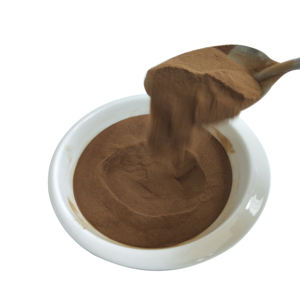
Professional solutions on concrete addtives, Concrete Foaming Agent, Superplasticizer, CLC Blocks Additives, and foaming machine

Unlock the Future of Construction: How Advanced Admixtures Are Revolutionizing Fiber-Reinforced Concrete Siding
1. Introduction
In a major industry shift announced just yesterday, leading building materials manufacturer James Hardie reported a 22% year-over-year increase in demand for its fiber cement siding products across North America—driven largely by builders seeking durable, low-maintenance, and fire-resistant alternatives to traditional wood cladding. This surge underscores a growing reliance on advanced concrete admixtures to optimize the performance of fiber-reinforced concrete siding, a niche yet rapidly expanding segment within the construction sector.
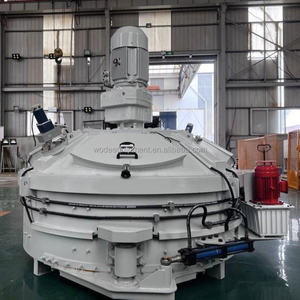
Concrete admixtures—chemical or mineral additives blended into concrete mixes—are no longer limited to basic structural applications. Today, they play a pivotal role in tailoring the properties of specialized products like concrete fiber siding, enabling manufacturers to achieve superior finish quality, faster curing times, and enhanced resilience against moisture, freeze-thaw cycles, and UV degradation.
2. The Role of Admixtures in Fiber-Reinforced Concrete Siding
Fiber-reinforced concrete siding, often marketed under brand names like HardiePlank or CertainTeed WeatherBoards, combines Portland cement, sand, water, and cellulose or synthetic fibers (such as polypropylene) to create panels that mimic wood grain while offering far greater longevity. However, achieving consistent texture, dimensional stability, and surface integrity during mass production requires precise formulation—where concrete chemicals become indispensable.
- Superplasticizer admixtures improve flow without excess water, ensuring uniform fiber distribution.
- Integral waterproofers and crystalline waterproofing admixtures prevent moisture ingress, critical for exterior cladding.
- Air entraining admixtures introduce microscopic air bubbles that enhance freeze-thaw resistance in cold climates.
3. Key Admixture Types Powering Modern Concrete Siding
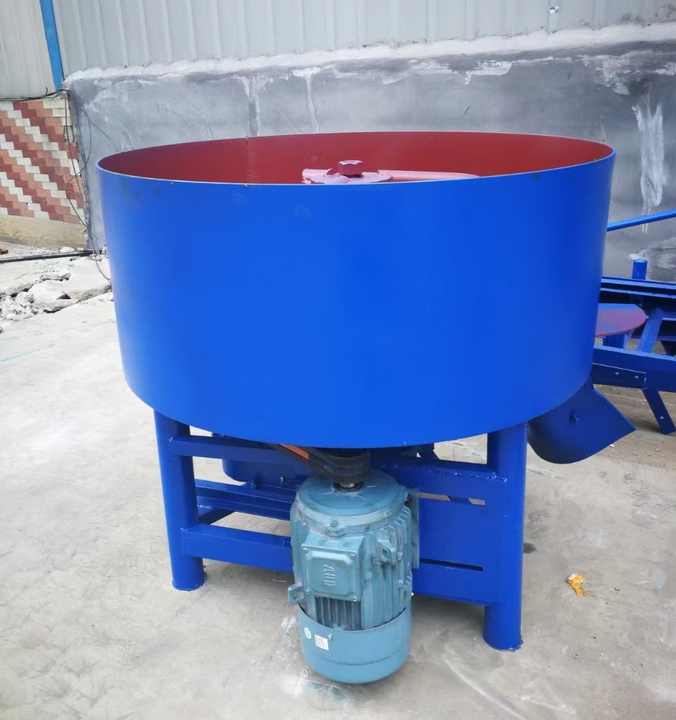
Among the most impactful admixture types used in concrete siding manufacturing are superplasticizers, waterproofing additives, and air-entraining agents. These concrete additives work synergistically to address the unique challenges of thin-section precast elements exposed to harsh environmental conditions.
Superplasticizers—particularly polycarboxylate ether (PCE)-based formulations—are essential as high-range water reducers. By drastically lowering the water-cement ratio while maintaining workability, superplasticizer in concrete enables denser, stronger panels with reduced shrinkage cracking. This is especially vital for achieving the smooth or wood-grain textures demanded by architects and homeowners alike.
Waterproofing admixtures, including cement waterproofing additives and crystalline waterproofing admixtures, provide integral protection. Unlike topical sealers that degrade over time, these admixture waterproofing solutions react with cementitious materials to form insoluble crystals that block capillary pores—making concrete siding inherently resistant to rain, humidity, and efflorescence.
Air entraining concrete technology further bolsters durability. Through the use of air entraining agents, manufacturers incorporate stable micro-air voids that relieve internal pressure during freezing, preventing spalling and delamination. This is non-negotiable for homes in regions with sub-zero winters.
4. Performance Enhancements Through Strategic Admixture Blending
Beyond basic functionality, advanced admixture combinations enable aesthetic and logistical advantages. For instance, concrete retarder admixtures can be used as surface retarders to delay the setting of the top layer, allowing for deeper embossing of wood-like patterns before final cure. Meanwhile, concrete accelerator curing time reducers—often accelerating admixtures for concrete based on calcium nitrate—speed up demolding in precast facilities, boosting throughput without compromising strength.
The inclusion of polypropylene fibres for concrete not only provides crack control but also works in tandem with plasticizer admixtures to maintain homogeneity during extrusion or molding. Similarly, macro fibers and steel fibers for concrete may be added for impact resistance in high-wind zones, though their dispersion relies heavily on effective super plasticizers to avoid balling or segregation.
Notably, brands like Chryso admixture offer tailored solutions for fiber cement producers, combining PCE superplasticizer with integral waterproofer and air entraining cement modifiers in single-dose systems—streamlining batching and ensuring batch-to-batch consistency.
5. Sustainability and Cost Efficiency
The use of optimized admixture types also supports sustainability. By reducing water content and enabling thinner profiles, superplasticizer admixtures lower cement consumption per square foot—cutting CO₂ emissions. Additionally, the extended service life of properly formulated concrete siding reduces replacement frequency, contributing to lifecycle cost savings despite a higher initial concrete siding cost compared to vinyl or wood.
Home Depot and other retailers now prominently feature concrete siding that looks like wood, driven by consumer demand for eco-friendly, fire-resistant exteriors. Behind these products are sophisticated concrete chemicals that make such performance possible without sacrificing aesthetics or installability.
6. Conclusion
As the construction industry pivots toward resilient, low-carbon building solutions, fiber-reinforced concrete siding stands out as a prime example of innovation enabled by advanced admixtures. From superplasticizer for concrete to crystalline waterproofing admixture and air entraining concrete technologies, these concrete additives transform ordinary cementitious mixes into high-performance cladding systems. For architects, builders, and homeowners alike, understanding the best admixture for concrete in this context is key to unlocking durability, beauty, and long-term value.
Our Website founded on October 17, 2012, is a high-tech enterprise committed to the research and development, production, processing, sales and technical services of ceramic relative materials such as Unlock. Our products includes but not limited to Boron Carbide Ceramic Products, Boron Nitride Ceramic Products, Silicon Carbide Ceramic Products, Silicon Nitride Ceramic Products, Zirconium Dioxide Ceramic Products, etc. If you are interested, please feel free to contact us.